
What Are Stem Cells Used For?
14
Jun
What Are Stem Cells Used For?
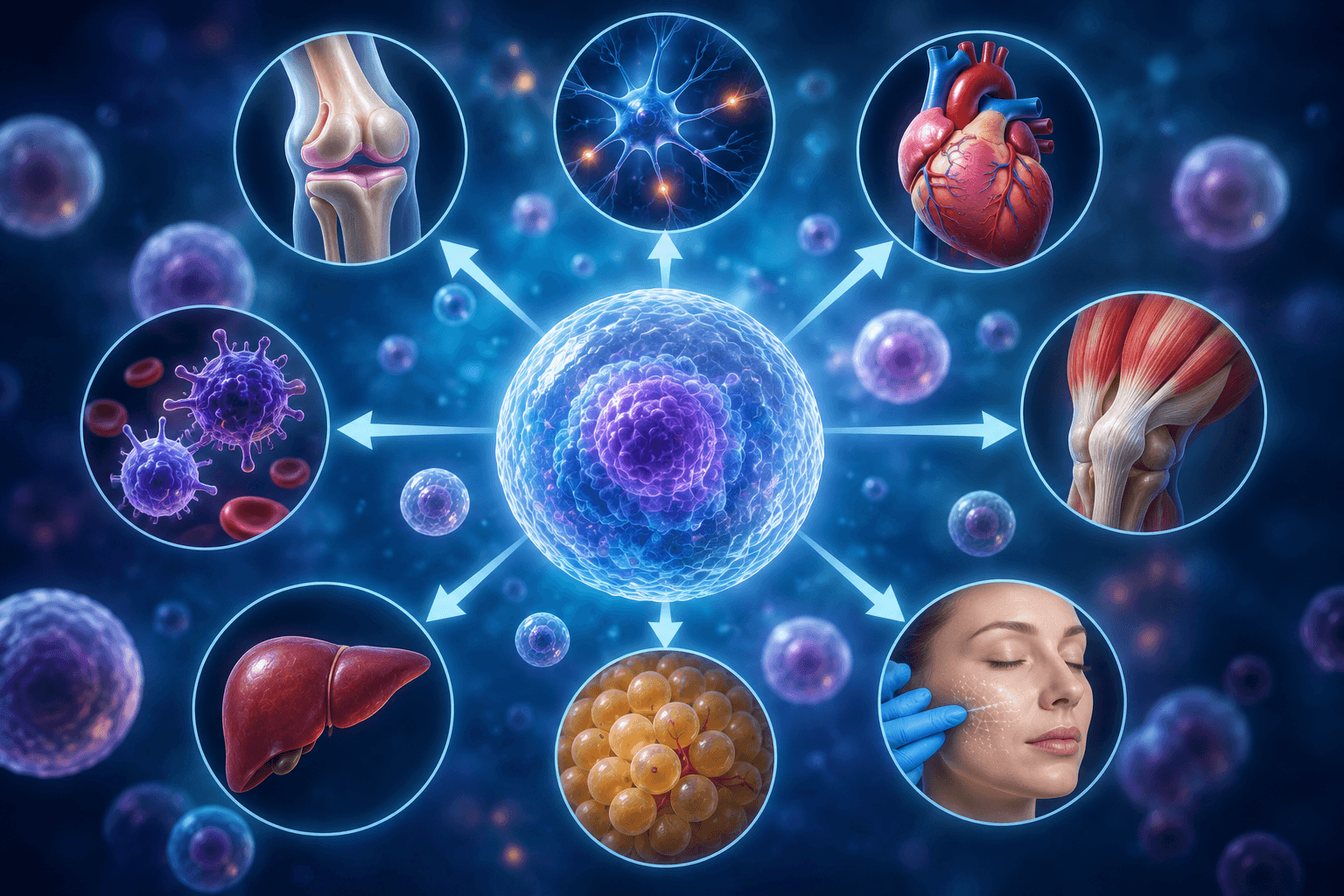
Stem cells are one of the most important discoveries in modern medicine because they have the unique ability to develop into different cell types and support the body’s natural repair mechanisms. Unlike ordinary cells, stem cells can self-renew and respond to signals from damaged tissue, which makes them especially valuable in regenerative medicine. Over the past several years, stem cells have been studied in connection with a wide range of medical conditions, from joint and cartilage damage to neurological disorders, autoimmune diseases, cardiovascular problems, and even certain areas of wellness and anti-aging care. For patients who are looking into advanced treatment pathways, stem cell therapy Turkey has become a highly searched option because it combines experienced medical teams, modern healthcare infrastructure, and personalized consultation.
Many people first hear about stem cells in the context of research, but their real-world applications are expanding steadily. Researchers and physicians are exploring how stem cells may help reduce inflammation, promote healing, improve tissue function, and support recovery where the body’s natural repair capacity is limited. This does not mean stem cells are a cure-all for every condition, but it does explain why so many patients are interested in learning what stem cells are used for and how they may fit into broader treatment strategies. In many cases, stem cell therapy is considered alongside conventional medicine rather than replacing it, which is why careful evaluation and realistic expectations are so important.
Understanding What Stem Cells Are
Stem cells are special cells that have two defining characteristics. First, they can self-renew, meaning they can make copies of themselves. Second, they can differentiate, which means they can develop into more specialized cell types depending on the signals they receive from the body. These two qualities make stem cells very different from most mature cells, which already have a fixed function and limited ability to change.
There are several types of stem cells, and each type has different properties and medical applications. Some are found naturally in the body, while others may be collected and prepared for therapeutic use under strict clinical standards. In regenerative medicine, the goal is often not simply to replace damaged cells directly, but to create a biological environment that supports healing, reduces inflammation, and encourages tissue recovery. This broad potential is why stem cells are being studied across many specialties and disease categories.
What Are Stem Cells Used For in Medicine?
Stem cells are used in medicine for a wide range of purposes, and their applications continue to grow as research advances. One of the most established uses is in blood and immune system disorders, where stem cell transplantation has been used for many years in specific clinical settings. Beyond that, regenerative medicine is exploring stem cells for orthopedic injuries, degenerative joint disease, neurological rehabilitation, autoimmune conditions, and tissue repair.
In practical terms, stem cells are being used or studied to support the body in areas where healing is difficult or incomplete. This includes damaged cartilage, inflamed joints, injured tendons, nerve tissue, and certain chronic disease processes. Patients often turn to stem cells when conventional therapies have provided limited relief or when they want to explore options that focus more directly on regeneration than symptom management alone.
Stem Cells in Orthopedic Medicine
One of the most common areas where stem cells are used is orthopedic medicine. Patients with osteoarthritis, cartilage injuries, meniscus tears, tendon damage, ligament injuries, and sports-related trauma frequently ask whether stem cells may help support healing or reduce discomfort. Joints and connective tissues often have limited blood supply, which makes recovery slower and more difficult. This is one reason stem cells are such a major topic in musculoskeletal care.
Researchers are particularly interested in whether stem cells can support cartilage preservation, reduce inflammation in joints, and improve function in patients with chronic pain and mobility limitation. Athletes and active individuals may also explore stem cell-based treatments as part of a broader rehabilitation plan. For patients seeking more information about available treatment pathways, stem cell therapy can be an important starting point for understanding how regenerative medicine is being applied in real clinical settings.
Stem Cells and Neurological Conditions
The nervous system is another major area of interest for stem cell research. Conditions such as Parkinson’s disease, multiple sclerosis, stroke recovery, peripheral neuropathy, spinal cord injuries, and other neurological disorders can be difficult to manage because nerve tissue has limited regenerative capacity. In these cases, stem cells are being studied for their potential to support repair, modulate inflammation, and improve the environment around damaged neural tissue.
It is important to understand that stem cell therapy in neurology is still an evolving field. Researchers continue to study how stem cells interact with the brain, spinal cord, and peripheral nerves, and how they may affect recovery over time. The hope is not necessarily that stem cells will replace every damaged neuron, but that they may help create better conditions for healing and functional improvement. This makes them one of the most promising areas in regenerative neuroscience.
Stem Cells in Autoimmune and Inflammatory Diseases
Stem cells are also being explored for autoimmune and inflammatory diseases because of their possible role in immune regulation. In conditions such as rheumatoid arthritis, lupus, and other chronic inflammatory disorders, the immune system may attack the body’s own tissues, leading to pain, swelling, fatigue, and long-term damage. Researchers are interested in whether stem cells can help support a more balanced immune response and reduce harmful inflammation.
Although stem cells are not a replacement for all autoimmune therapies, they are becoming an important research topic in this field. Patients with complex inflammatory conditions often look for treatments that go beyond temporary symptom suppression, and regenerative medicine offers a different perspective. Rather than focusing only on controlling flare-ups, the goal is to support healthier biological function over time.
Stem Cells for Cardiovascular and Circulatory Health
Another major area of interest is cardiovascular medicine. The heart and blood vessels are essential for maintaining life, and damage to these structures can have serious consequences. Stem cells are being studied to understand whether they may help support tissue repair after heart injury, improve circulation, or contribute to the regeneration of cardiovascular tissue in selected cases.
While this field is highly specialized and remains under active investigation, it reflects the broader potential of regenerative medicine. Researchers continue to explore how stem cells may influence blood vessel formation, tissue oxygenation, and repair signaling. For patients dealing with complex medical conditions, this kind of research can be encouraging because it points toward a future where treatment may focus more on restoration and less on symptom management alone.
Stem Cells in Skin, Hair, and Anti-Aging Medicine
Beyond disease treatment, stem cells are also used or studied in areas related to healthy aging, skin repair, and hair restoration. These applications are especially interesting to patients who want to improve tissue quality, support natural regeneration, or address age-related changes in appearance and function. In this context, stem cells are not always used to treat a disease in the traditional sense, but rather to support the body’s broader biological renewal processes.
Anti-aging and wellness medicine has grown rapidly in recent years, and stem cells are often discussed as part of that conversation. Some patients are interested in how regenerative medicine may support energy, recovery, tissue repair, and overall vitality. While these uses should be approached with care and clear medical guidance, they show how broad the field has become.
How Stem Cells Support Healing
The reason stem cells are so valuable is not just that they can become other cell types. They also release signaling molecules that can affect nearby cells, influence inflammation, and support repair mechanisms. In many cases, their therapeutic effect may come from this communication function as much as from direct cell replacement. That is why stem cells are often described as biologically active “helpers” in the healing process.
Depending on the condition being treated, stem cells may help create a more favorable environment for recovery by reducing harmful inflammatory activity, improving tissue communication, or encouraging the body to respond more effectively to injury. This is one reason they are being studied across such a wide range of medical conditions. Their role is not identical in every disease, but the underlying idea remains the same: support the body’s ability to heal itself.
Table: Common Uses of Stem Cells in Modern Medicine
| Medical Area | How Stem Cells Are Being Used or Studied |
|---|---|
| Orthopedics | Joint degeneration, cartilage repair, tendon and ligament injuries |
| Neurology | Stroke recovery, Parkinson’s disease, multiple sclerosis, neuropathy |
| Autoimmune Disease | Immune modulation and inflammation support |
| Cardiovascular Medicine | Tissue support and circulatory repair research |
| Dermatology and Aesthetics | Skin regeneration, hair restoration, anti-aging applications |
| Rehabilitation | Support for recovery after injury or disease |
Who May Benefit from Stem Cell Evaluation?
Stem cell therapy is not suitable for every patient, which is why evaluation is such an important part of the process. Doctors usually look at the patient’s diagnosis, disease stage, overall health, previous treatments, current medications, and treatment goals before deciding whether a regenerative approach should be considered. Patients with chronic joint pain, degenerative tissue changes, or long-term inflammatory problems are often among those who ask whether stem cells may help.
It is equally important to identify who may not be a good candidate. Patients with severe uncontrolled medical problems, active infections, or other contraindications may need a different treatment strategy. This individualized approach protects patient safety and helps ensure that stem cell therapy is used in the right way and at the right time. Those who want broader information about available medical pathways can also explore disease treatment programs to understand how regenerative care fits into overall treatment planning.
Why Patients Travel to Turkey for Stem Cell Treatment
Turkey has become a leading destination for medical tourism, especially for patients seeking advanced regenerative medicine. Modern hospitals, experienced physicians, and a strong patient support structure make it an appealing option for individuals who want both quality care and a well-organized treatment experience. Patients often appreciate the combination of clinical expertise and personalized assistance that helps them navigate the process from consultation to follow-up.
Stemcell Consultancy plays an important role in helping patients understand their options, coordinate care, and access reputable medical services. For many international patients, this kind of guidance can make the entire experience easier and more transparent. Whether someone is researching orthopedic recovery, neurological support, or other regenerative applications, Turkey continues to be an important hub for advanced stem cell care.
Frequently Asked Questions About Stem Cells
What are stem cells used for most commonly?
They are commonly used or studied for blood disorders, orthopedic injuries, neurological conditions, autoimmune diseases, and regenerative medicine applications.
Can stem cells cure disease?
Stem cells are not a universal cure. They are being studied as a way to support repair, reduce inflammation, and improve function in selected conditions.
Are stem cells only used in hospitals?
Most stem cell treatments and research applications are done in medical settings with appropriate clinical oversight and patient evaluation.
Why is stem cell therapy in Turkey so popular?
Turkey is popular because of its modern healthcare infrastructure, experienced physicians, international patient support, and access to specialized regenerative medicine services.
The Future of Stem Cell Applications
Stem cells are used for far more than many people realize. From supporting damaged joints and injured tissues to helping researchers study complex neurological and autoimmune diseases, they have become one of the most important tools in modern regenerative medicine. As scientific understanding improves, the potential applications may continue to expand in both traditional treatment and preventive wellness settings.
For patients who are considering advanced medical care, stem cells represent a field that combines innovation, biology, and personalized medicine. At Stemcell Consultancy, the goal is to help people understand where stem cells may be useful, where they may not be appropriate, and how to make decisions that are based on medical facts rather than hype. In a field that is growing as quickly as this one, clear guidance remains one of the most valuable parts of the journey.
Latest Posts
Share
Quick Question