
Stem Cell Therapy for Spinal Osteoarthritis
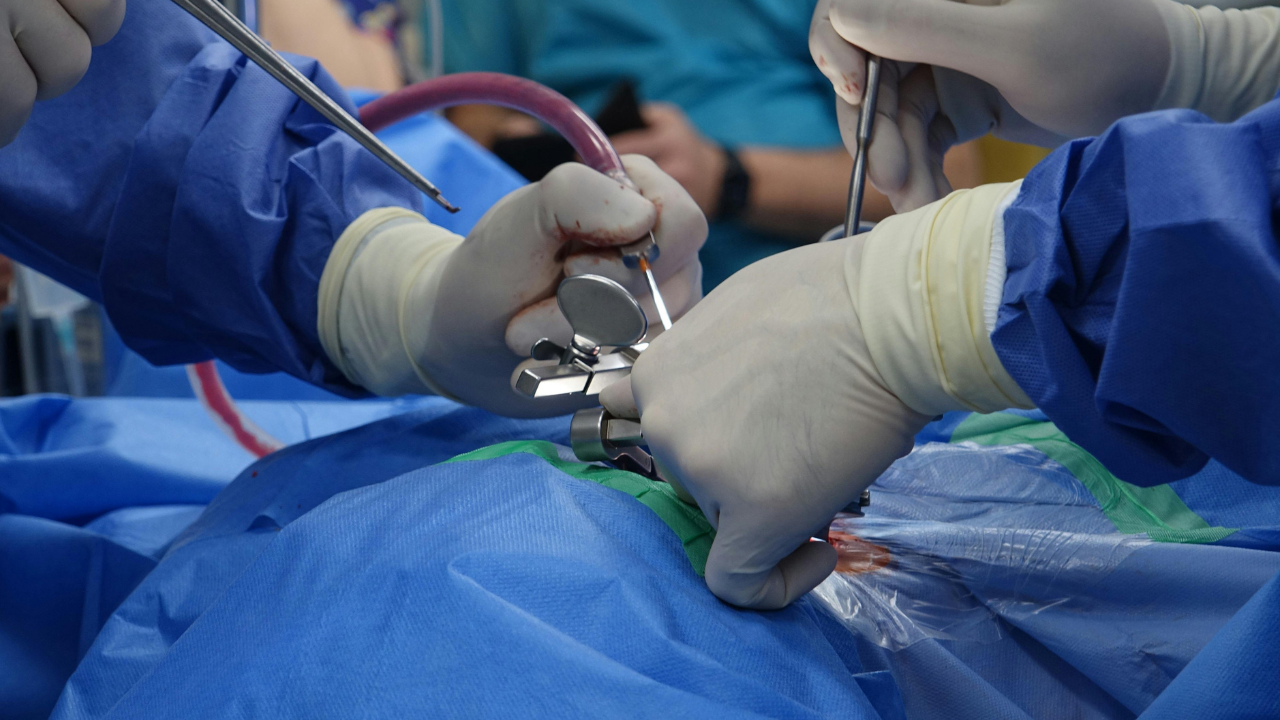
Stem Cell Therapy for Spinal Osteoarthritis
Stem cell therapy for spinal osteoarthritis offers a regenerative approach that targets damaged spinal joints, reduces inflammation, and supports natural tissue repair. Using umbilical cord–derived mesenchymal stem cells, this innovative treatment aims to improve mobility, decrease pain, and enhance overall spinal health.
Your spine is not one structure. It is a system — thirty-three vertebrae, twenty-three intervertebral discs, more than one hundred joints, hundreds of ligaments and muscles, and the spinal cord threading through the center of all of it. When people talk about "back pain," they are usually talking about the failure of one or more components of this system. And when the failure is degenerative — when cartilage erodes, joints inflame, bone remodels itself into spurs, and movement becomes a source of pain rather than freedom — the diagnosis is spinal osteoarthritis.
It is one of the most common conditions in adult medicine. It is also one of the most undertreated, because for most of its history, the available treatments could only manage what they could not reverse.
That ceiling is now being challenged.
What Is Spinal Osteoarthritis?
Spinal osteoarthritis refers to the degenerative breakdown of the cartilaginous and synovial structures of the spine — primarily the facet joints (zygapophysial joints) but also the uncovertebral joints of the cervical spine and the costovertebral joints of the thoracic region.
Because symptoms and tissue damage can overlap across related joints, muscles, and connective tissues, readers may also compare Stem Cell Therapy for Degenerative Disc Disease.
Like osteoarthritis in peripheral joints (knee, hip, shoulder), spinal OA involves the progressive loss of articular cartilage, synovial inflammation, subchondral bone remodeling, and osteophyte (bone spur) formation. What distinguishes it from peripheral OA is its proximity to neural structures: as joints enlarge and degenerate, they can encroach on nerve roots and the spinal canal itself, translating structural change into a wide spectrum of neurological symptoms.
The primary locations of spinal OA and their characteristic presentations:
Lumbar facet OA — The most common form. Pain is typically felt in the lower back, often described as deep, aching, and worse with extension (bending backward), rotation, and prolonged standing. It can radiate into the buttocks and thighs, mimicking radicular pain. Morning stiffness that improves with gentle movement is characteristic.
Cervical facet OA — Affects the facet joints of the neck, producing pain and stiffness in the cervical region with radiation to the shoulders, upper back, and arms. Headaches originating at the base of the skull (cervicogenic headache) are a common associated symptom.
Cervical spondylosis with myelopathy — Advanced cervical OA where osteophytes and disc changes compress the spinal cord, producing a wider constellation of symptoms: hand weakness and clumsiness, gait disturbance, and in severe cases, significant neurological deficit.
Lumbar spinal stenosis — The downstream consequence of multilevel lumbar OA, where facet joint hypertrophy, ligamentum flavum thickening, and disc bulging collectively narrow the spinal canal and produce neurogenic claudication — leg pain and weakness that develops with walking and relieves with sitting.
Spinal OA rarely exists in isolation. It is almost always part of a broader pattern of spinal degeneration that may include disc disease, endplate changes, and sacroiliac joint involvement — a reality that shapes how regenerative treatment should be planned and delivered.
Why Conventional Treatment Reaches Its Limits
The management of spinal OA follows a predictable escalation that is, at its core, a strategy of postponement rather than resolution.
Physical therapy and exercise improve muscular support around the spine and reduce mechanical load on affected joints — valuable, but they do not restore cartilage. Anti-inflammatory medications reduce pain and swelling transiently; they do not alter the degenerative process. Facet joint corticosteroid injections and medial branch nerve blocks are often effective for weeks to months — and then the pain returns, because the joint is still deteriorating.
Radiofrequency ablation denervates the nerves supplying the facet joint, interrupting the pain signal for a variable period (often six months to two years) — but it requires repeated procedures as nerves regenerate, and it leaves the underlying joint unaddressed. Spinal fusion, the surgical endpoint of failed conservative management, is a significant operation with substantial recovery, adjacent segment consequences, and outcomes that are far from universally successful.
None of these approaches regenerate the damaged cartilage of the facet joint. None resolve the chronic synovial inflammation that perpetuates it. And none give the joint what it needs to begin healing itself.
Mesenchymal stem cell therapy does all three.
The Regenerative Mechanism
Spinal facet joints are true synovial joints — structurally identical to peripheral joints like the knee. They have articular cartilage, a synovial membrane, and a joint capsule. This structural identity is important because it means the regenerative mechanisms that work in knee and hip OA apply directly to spinal OA as well.
Articular cartilage repair
MSCs are chondrogenic — they can differentiate into chondrocytes and produce the type II collagen and proteoglycan matrix that constitutes healthy articular cartilage. When injected into a degenerating facet joint, they contribute directly to the rebuilding of the cartilage surface that years of mechanical wear and inflammatory degradation have eroded.
Synovial inflammation resolution
Chronic synovitis — the inflammation of the joint's inner lining — is a key driver of both pain and ongoing cartilage destruction in spinal OA. MSCs modulate the inflammatory environment by suppressing pro-inflammatory cytokines (IL-1β, TNF-α, IL-6), shifting the synovial macrophage population from a destructive M1 phenotype to a reparative M2 phenotype, and reducing the production of matrix-degrading enzymes. Pain reduction follows from this shift — not as a drug effect, but as a consequence of genuine inflammation resolution.
Subchondral bone protection
The bone immediately beneath the cartilage undergoes pathological remodeling in OA — becoming denser, developing cysts, and contributing to pain through a process distinct from cartilage loss. MSC-mediated growth factor secretion supports subchondral bone health and reduces the osteoclastic activity that drives this remodeling.
Paracrine amplification of endogenous repair
Perhaps the most powerful mechanism is what MSCs do to the joint's own cells. Through exosome release and growth factor secretion — TGF-β, BMP-2, HGF, IGF-1 — introduced MSCs activate the joint's resident stem cell and chondrocyte population, amplifying the healing response far beyond what the injected cells alone could produce. MSCs, as one 2025 meta-analysis described them, act as "living factories" that transform the joint from a catabolic, destructive environment into an anabolic, regenerative one.
The Clinical Evidence
The CellKine Trial — Mayo Clinic
The most rigorously designed clinical investigation of MSC therapy specifically for spinal facet OA is the CellKine trial (NCT04410731) conducted at Mayo Clinic — a Phase 1 prospective, single-arm, open-label study of allogeneic bone marrow-derived MSCs delivered intra-articularly to lumbar facet joints in patients with painful lumbar facet arthropathy (LFA).
Ten patients were enrolled; nine completed the two-year follow-up. Each patient received a single intra-articular administration of 10 million allogeneic BM-MSCs into two affected lumbar facet joints (bilateral), under fluoroscopic guidance. Results published in Stem Cell Research & Therapy (October 2025) confirmed the primary endpoint: the therapy was safe, with no serious adverse events attributable to treatment over 24 months. Secondary endpoints — VAS pain scores, PROMIS Physical Function, and MRI-assessed facet joint degeneration — showed clinically meaningful improvements. The Phase 1 data provided the foundation for a subsequent Phase 2 randomized controlled trial examining efficacy.
Multi-Structure BMC Treatment in Lumbar Degeneration
A 12-month open-label prospective controlled study examined the effects of autologous bone marrow concentrate (BMC) injections delivered simultaneously into multiple spinal structures in patients with severe lumbar degeneration — including intervertebral discs, facet joints, sacroiliac joints, and perineural regions. The treatment group demonstrated significant improvements in Oswestry Disability Index (ODI) and Numeric Rating Scale pain scores at 12 months compared to a control group receiving conventional therapies (NSAIDs, physical therapy, opioids, spinal injections). The multi-structure approach reflects the clinical reality of spinal OA: it is rarely confined to a single level or structure, and comprehensive treatment addresses the full degenerative picture.
MSC Therapy for OA — 11-RCT Meta-Analysis (2025)
A December 2025 systematic review and meta-analysis in Frontiers in Cell and Developmental Biology, synthesizing data from 11 randomized controlled trials of intra-articular MSC therapy in OA, found compelling evidence of significant and durable improvements in pain (VAS), functional outcomes (IKDC, WOMAC), and activity levels at up to 24 months post-treatment. The time-dependent nature of benefits across follow-up points — with improvements often continuing to accumulate at 12 and 24 months — was interpreted as consistent with a disease-modifying mechanism of action rather than simple symptomatic suppression.
Global Clinical Trial Landscape (2025)
A January 2026 analysis of the global stem cell OA trial landscape, drawing on data from the Informa Pharmaprojects database across all trials registered between 2000 and January 2025, documented the rapid acceleration of clinical investigation — with intra-articular MSC administration consistently associated with improvements in pain and function compared to control comparators across the OA literature.
Cervical Spinal OA: A Specific Note
Cervical facet OA deserves particular mention because it is frequently underrecognized as the source of neck pain, headache, and upper extremity symptoms. The cervical spine has eight levels of facet joints (C2–C3 through C7–T1), each capable of degenerating independently, and pain from cervical facet OA is often attributed to muscle tension or disc disease when the facet joint is in fact the primary pain generator.
MSC therapy for cervical facet OA follows the same biological principles as lumbar treatment. Delivery is performed under fluoroscopic guidance with a cervical approach, requiring precise needle placement given the proximity of vertebral arteries and nerve roots. Patient selection and procedural technique are critical — a specialist with specific experience in cervical interventional procedures is essential.
For patients with cervicogenic headache, restricted neck rotation, and axial neck pain that worsens with extension and rotation, cervical facet OA should be evaluated as a diagnosis — and if confirmed, MSC therapy offers a regenerative option that corticosteroid injections and nerve ablation cannot match.
The Treatment Process
Diagnostic confirmation Spinal OA must be properly identified as the pain source before treatment. This involves MRI or CT imaging for structural assessment, clinical examination for pattern recognition, and in most cases, diagnostic medial branch blocks — targeted injections of local anesthetic that temporarily numb the nerve supply to the facet joint. Significant temporary relief from a diagnostic block confirms the facet joint as the pain generator and establishes candidacy.
Cell selection For most spinal OA protocols, allogeneic MSCs (bone marrow or umbilical cord-derived) are used, allowing standardized, ready-to-use cell preparations without requiring a harvest procedure from the patient. For younger, otherwise healthy patients, autologous adipose-derived or bone marrow-derived MSCs from the patient's own tissue remain an option.
Injection Cells are delivered intra-articularly under fluoroscopic or CT guidance — precisely into the facet joint space at the affected spinal levels. Multiple levels can be treated in the same session. The procedure is performed under local anesthesia with or without mild sedation and is completed within one to two hours.
Recovery Most patients are discharged the same day. A period of activity modification — typically one to two weeks of reduced loading and spinal extension — supports cell engraftment. Initial soreness at the treated level is common and transient.
Monitoring VAS pain scores and functional assessments at 4, 8, 12, and 24 weeks track clinical response. MRI at six months provides objective imaging data on joint status.
Who Is the Right Candidate?
Stem cell therapy for spinal OA is most appropriate when:
- Imaging confirms facet joint degeneration (cartilage loss, osteophyte formation, joint space narrowing) at one or more spinal levels
- Diagnostic medial branch blocks have confirmed the facet joint as the pain source
- Corticosteroid injections have provided only partial or short-lived relief
- Radiofrequency ablation is being considered or has already provided only temporary benefit
- Spinal fusion has been discussed and the patient wants to explore non-surgical alternatives
- Symptoms have persisted for more than six months despite conservative management
Patients with advanced spinal stenosis requiring surgical decompression, active spinal infection, or significant systemic contraindications require individual assessment.
Frequently Asked Questions
Can MSC therapy help if I have OA at multiple spinal levels? Yes. Multi-level spinal OA is common, and treatment can be administered across multiple levels in a single session. Your specialist will review your imaging and identify which levels are the primary pain contributors — which may not be all degenerated levels — and prioritize accordingly.
I've already had radiofrequency ablation. Can I still benefit from stem cell therapy? Yes. RFA and MSC therapy address completely different aspects of the problem: RFA silences the pain signal; MSC therapy addresses the underlying joint pathology. They are not mutually exclusive and can be used sequentially or in combination.
How does this compare to a facet joint steroid injection? A steroid injection suppresses inflammation for weeks to months and does not repair cartilage. MSC therapy introduces living cells that can regenerate cartilage, resolve inflammation at its source, and produce durable structural changes over 12–24 months. The two approaches are not equivalent in mechanism or durability.
Is there a risk the procedure makes things worse? Clinical trials of MSC therapy in facet joint OA, including the CellKine Mayo Clinic trial, have reported no serious adverse events over two-year follow-up. Temporary post-injection soreness is expected and resolves within days to a week.
How long before I notice a difference? Most patients begin to notice meaningful pain reduction at 4–8 weeks, with functional improvement continuing through 3–6 months as cartilage repair and inflammation resolution progress.
Will I still need surgery after stem cell therapy? This varies by individual. For patients with moderate spinal OA at confirmed facet-mediated pain levels, MSC therapy may provide sufficient and lasting relief to avoid surgery. For patients with significant structural instability or severe spinal canal compromise, MSC therapy addresses the joint biology but not the mechanical component — your specialist will give you an honest assessment of what the treatment can and cannot achieve in your specific case.
Conclusion
Spinal osteoarthritis is not a diagnosis to accept passively. It progresses — but not inevitably, and not at the same rate for every patient. The trajectory can be altered. The biology that drives deterioration can be addressed. And the choice between "manage the pain" and "repair the joint" is no longer as simple as it once seemed.
Stem cell therapy will not undo decades of degeneration in a single injection. But it can interrupt the inflammatory cascade, restore cartilage integrity, and give the spine — and the person living in it — a meaningful improvement in function and quality of life that standard treatments, on their own, cannot deliver.
Contact our team to schedule a consultation and find out whether regenerative treatment is appropriate for your spinal condition.
This article is for informational purposes only and does not constitute medical advice. Spinal conditions should always be evaluated and managed by a qualified spine specialist or pain medicine physician.
Quick Question