
Stem Cell Therapy for Cartilage Disorders
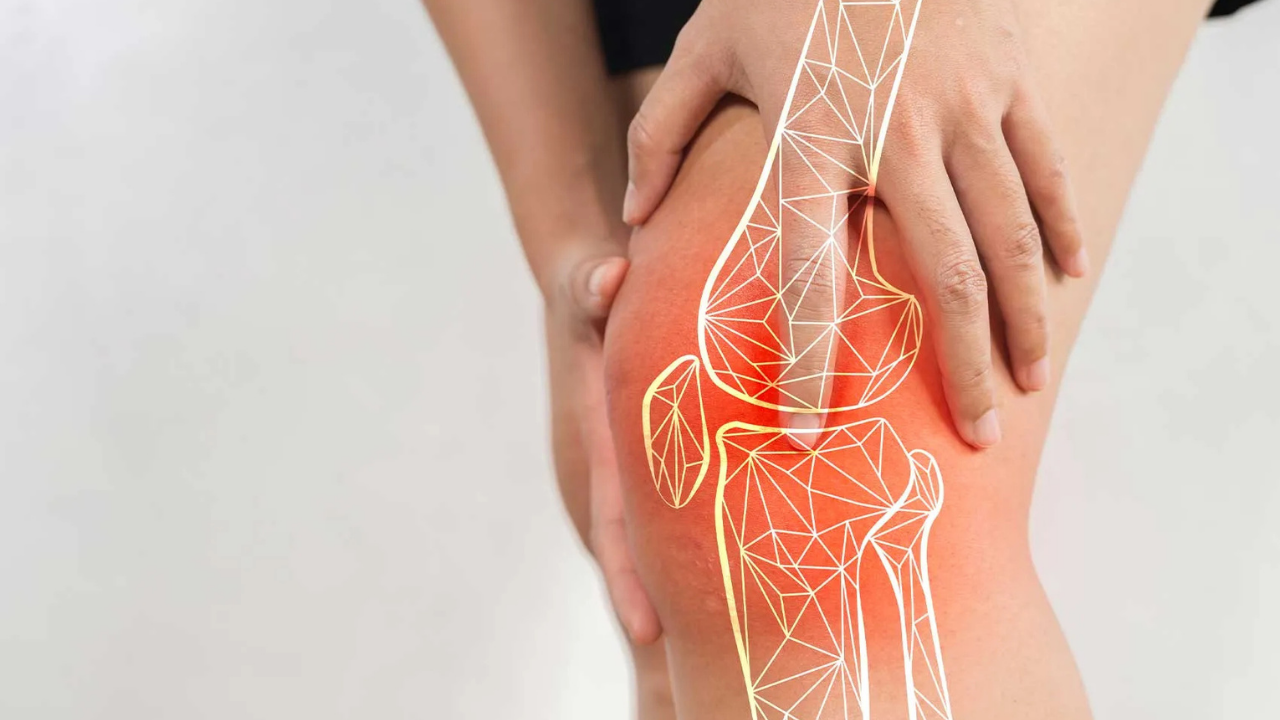
Stem Cell Therapy for Cartilage Disorders
Stem cell therapy offers a regenerative and effective solution for pain, limited mobility, and reduced quality of life caused by cartilage disorders. Mesenchymal stem cells repair damaged cartilage tissue, strengthen joint function, reduce inflammation, and provide long-term healing.
Cartilage tissue is one of the most important structures for healthy, smooth, and pain-free joint movement. It covers the ends of bones inside the joints, reduces friction, absorbs shock, and allows the body to move with stability and comfort. Healthy cartilage is essential for walking, running, climbing stairs, bending, lifting, and performing daily activities without pain.
However, cartilage has a very limited ability to heal itself because it does not contain blood vessels. For this reason, trauma, aging, overuse, sports injuries, obesity, joint inflammation, or degenerative diseases such as osteoarthritis can gradually lead to cartilage damage. As cartilage becomes thinner or irregular, joint friction increases, pain develops, mobility decreases, and quality of life may be significantly affected.
Conventional treatments for cartilage disorders often focus on pain control, inflammation management, physical therapy, injections, or surgery in advanced cases. Stem cell therapy has gained attention as a regenerative medicine approach because it may support tissue repair signaling, reduce inflammation, and help improve the biological environment of damaged joints.
Stemcell Consultancy provides personalized regenerative treatment planning for patients with cartilage disorders. The aim is to support joint function, reduce discomfort, improve mobility, and help patients explore non-surgical supportive options when medically appropriate.
Because symptoms and tissue damage can overlap across related joints, muscles, and connective tissues, readers may also compare Stem Cell Therapy for Hip, Knee & Shoulder Osteoarthritis.
What Is Cartilage and Why Is It Important?
Cartilage is a smooth, flexible, and protective connective tissue found in many parts of the body. In the joints, articular cartilage covers the ends of bones and allows them to glide over each other with minimal friction. It also distributes mechanical load and protects bones from direct impact.
Unlike muscles or skin, cartilage does not have a rich blood supply. This means that oxygen, nutrients, and repair cells do not reach cartilage quickly after injury. As a result, even small cartilage injuries may heal slowly or incompletely.
When cartilage is healthy, joint movement is smooth and comfortable. When cartilage becomes damaged, the joint surface becomes rough, inflamed, and less protective. Over time, this may lead to pain, stiffness, swelling, reduced range of motion, and degenerative joint changes.
Why Do Cartilage Disorders Occur?
Cartilage disorders may develop gradually over time or occur after a specific injury. In many patients, more than one factor contributes to cartilage damage.
Common causes include:
- Aging and reduced joint fluid quality
- Osteoarthritis and degenerative joint disease
- Sports injuries
- Trauma, impact, or twisting injuries
- Excessive joint load due to obesity
- Repetitive movements and overuse
- Previous meniscus or ligament injuries
- Genetic tendency
- Joint misalignment
- Muscle weakness around the joint
- Intra-articular inflammation
- Previous joint surgery or untreated joint instability
When cartilage deteriorates, the joint loses part of its natural protective surface. This can increase friction between bones, trigger inflammation, and gradually reduce movement capacity. Early diagnosis and proper management are important to slow progression and protect joint function.
Why Can’t Cartilage Tissue Repair Itself Easily?
Cartilage has a very limited self-repair capacity compared with many other tissues in the body. This is one of the main reasons cartilage injuries may become chronic.
The main reasons include:
• Lack of blood vessels: Cartilage does not have direct blood circulation, so healing cells and nutrients cannot reach the damaged area quickly.
• Low cellular activity: Chondrocytes, which are cartilage cells, have limited ability to multiply and repair large defects.
• Continuous mechanical load: Joints are used every day, and repeated pressure may worsen cartilage damage before full healing can occur.
• Inflammation inside the joint: Chronic inflammation can interfere with cartilage maintenance and accelerate tissue breakdown.
• Poor joint mechanics: Misalignment, weakness, or instability can keep overloading the same cartilage area.
Stem cell therapy is being explored because it may support the joint’s limited regenerative capacity by improving repair signaling, inflammation control, and the cellular environment around damaged cartilage.
Cartilage Damage and Osteoarthritis
Cartilage damage is closely related to osteoarthritis, but the two terms are not exactly the same. Cartilage damage may occur after trauma, sports injury, or localized overload. Osteoarthritis is a broader degenerative joint condition that often includes cartilage loss, inflammation, bone changes, reduced joint lubrication, and altered joint mechanics.
In early cartilage damage, the problem may be limited to a small area. In osteoarthritis, the entire joint environment may be affected. This distinction is important because treatment planning depends on the severity, location, and cause of the cartilage problem.
In mild or moderate cartilage degeneration, regenerative therapies may be considered as supportive options. In advanced bone-on-bone arthritis, severe deformity, or major mechanical instability, regenerative treatment may have more limited benefits and surgical evaluation may be necessary.
Symptoms of Cartilage Disorders
Cartilage damage may begin with mild discomfort and gradually progress. Symptoms can vary depending on the affected joint, severity of damage, activity level, and presence of inflammation.
Common symptoms include:
- Joint pain during movement
- Stiffness after rest or in the morning
- Swelling or a feeling of fullness in the joint
- Reduced range of motion
- Clicking, grinding, or catching sensation
- Difficulty walking, bending, squatting, or climbing stairs
- Pain after sports or long periods of activity
- Reduced exercise tolerance
- Weakness around the affected joint
- Feeling of instability or locking in some cases
If symptoms persist, worsen, or interfere with daily activities, a medical evaluation is recommended. Early treatment may help prevent further cartilage deterioration.
How Are Cartilage Disorders Diagnosed?
Diagnosis begins with a detailed medical history and physical examination. The specialist evaluates the location of pain, duration of symptoms, previous injuries, swelling, joint mobility, activity triggers, and functional limitations.
Diagnostic evaluation may include:
- Physical examination of the affected joint
- Range of motion testing
- Strength and stability assessment
- X-ray to evaluate joint space and bone changes
- MRI to assess cartilage, meniscus, ligaments, and soft tissue
- Ultrasound in selected joint conditions
- Blood tests if inflammatory or rheumatic disease is suspected
- Gait or biomechanical assessment when needed
A correct diagnosis is essential because joint pain may also be caused by meniscus tears, ligament injuries, tendinitis, bursitis, inflammatory arthritis, bone lesions, nerve problems, or referred pain from other areas.
Conventional Treatment Options for Cartilage Disorders
Conventional treatment depends on the severity of cartilage damage, the affected joint, the patient’s age, activity level, and overall health. Many patients begin with conservative treatment before considering regenerative or surgical options.
Common treatment approaches include:
- Activity modification
- Weight management
- Physical therapy
- Strengthening exercises
- Anti-inflammatory medications when appropriate
- Joint-supporting braces or orthotics
- Hyaluronic acid injections in selected cases
- Platelet-rich plasma injections in selected cases
- Arthroscopic procedures for certain mechanical problems
- Joint replacement surgery in advanced cases
These treatments may help reduce symptoms and improve function. However, they may not fully restore damaged cartilage, especially in chronic or advanced cases. This is why regenerative medicine has become an area of interest for cartilage disorders.
How Does Stem Cell Therapy Work in Cartilage Disorders?
Stem cell therapy for cartilage disorders focuses on supporting the biological environment of the joint. Mesenchymal stem cells (MSCs) are commonly studied because they can release bioactive molecules, growth factors, cytokines, and extracellular vesicles that may influence inflammation, tissue repair, and cellular communication.
MSCs are not simply injected to replace missing cartilage directly. Their potential effects are mainly related to signaling. They may help create a more supportive environment for repair, reduce inflammatory activity, and influence cartilage-related tissue remodeling.
Potential mechanisms include:
1. Supporting Chondrocyte Activity: MSC-related signaling may support the function of cartilage cells and cartilage matrix maintenance.
2. Reducing Inflammation: Chronic inflammation plays an important role in cartilage breakdown. MSCs may help modulate inflammatory pathways.
3. Improving the Joint Environment: Regenerative signaling may support synovial tissue balance and joint lubrication.
4. Supporting Tissue Repair: MSCs may release growth factors that contribute to repair signaling in cartilage, ligaments, tendons, and joint capsule structures.
5. Reducing Pain and Stiffness: By supporting inflammation control and joint tissue health, some patients may experience improved comfort and mobility.
Stem cell therapy should not be described as a guaranteed cure or complete cartilage regrowth solution. Results vary depending on the severity of cartilage damage, joint mechanics, age, weight, activity level, and rehabilitation compliance.
Which Cartilage Disorders May Be Considered for Stem Cell Therapy?
At Stemcell Consultancy, stem cell therapy may be considered for selected patients with cartilage-related problems after detailed evaluation.
Conditions that may be evaluated include:
- Osteoarthritis
- Knee cartilage damage
- Hip cartilage disorders
- Shoulder cartilage problems
- Ankle cartilage injuries
- Early-stage cartilage degeneration
- Sports-related cartilage injuries
- Meniscus-related joint degeneration
- Osteochondritis dissecans in selected cases
- Post-traumatic joint cartilage damage
- Cartilage wear associated with joint overload
The suitability of regenerative therapy depends on the location, size, and depth of cartilage damage, as well as the overall condition of the joint.
Stem Cell Therapy for Knee Cartilage Damage
The knee is one of the most commonly affected joints because it carries body weight and is exposed to repetitive load during walking, running, climbing stairs, squatting, and sports. Knee cartilage damage may occur after trauma, meniscus injury, ligament injury, overuse, or osteoarthritis.
Stem cell therapy may be considered in selected knee cartilage disorders to support joint comfort, inflammation regulation, and cartilage-related repair signaling. It may be especially relevant for patients with early or moderate cartilage damage who want to explore non-surgical supportive options.
However, in advanced knee osteoarthritis with severe joint narrowing, deformity, or bone-on-bone changes, regenerative therapy may have limited benefit and surgical options may need to be discussed.
Stem Cell Therapy for Hip, Shoulder, and Ankle Cartilage Problems
Cartilage damage can also affect the hip, shoulder, and ankle joints. Each joint has different biomechanics and requires a personalized treatment plan.
Hip cartilage damage may cause groin pain, stiffness, reduced walking distance, and difficulty with daily activities. In advanced hip osteoarthritis, surgical evaluation may be necessary.
Shoulder cartilage problems may lead to pain, clicking, stiffness, and difficulty lifting or rotating the arm. Shoulder cartilage damage may be associated with trauma, instability, arthritis, or rotator cuff problems.
Ankle cartilage injuries are often related to sports injuries, twisting trauma, or osteochondral lesions. Because the ankle carries high load during walking and running, proper diagnosis and rehabilitation are especially important.
Stem cell therapy may be considered when the patient’s joint structure, imaging findings, and medical condition suggest that regenerative support may be appropriate.
The Role of Exosomes, Growth Factors, and PRP
Regenerative cartilage protocols may sometimes include supportive biological components such as exosomes, growth factors, or platelet-rich plasma (PRP), depending on the patient’s condition and medical suitability.
Exosomes are extracellular vesicles involved in cell-to-cell communication. They are being studied for their potential role in inflammation regulation, repair signaling, and tissue environment support.
Growth factors are biological molecules that can influence healing activity, cell communication, and tissue remodeling.
PRP is prepared from the patient’s own blood and contains concentrated platelets and growth factors. In selected cartilage and joint conditions, PRP may be used to support healing signals and improve the biological joint environment.
These supportive therapies are not necessary for every patient. The decision should be based on diagnosis, imaging findings, severity of cartilage damage, and physician recommendation.
Stemcell Consultancy’s Treatment Approach
Stemcell Consultancy provides personalized regenerative protocols for cartilage disorders. The stem cells used in treatment planning may include young and highly viable umbilical cord-derived mesenchymal stem cells prepared under controlled laboratory standards when appropriate.
The treatment protocol may include:
- Targeted intra-articular stem cell applications
- MSC support around the affected joint
- Exosome and growth factor-supported protocols when indicated
- Systemic IV administration in selected cases
- PRP support when medically appropriate
- Rehabilitation and joint-protection planning
Each protocol is personalized according to the patient’s diagnosis, joint condition, cartilage damage level, symptoms, activity goals, and overall health status.
How Does the Treatment Process Work?
The treatment process follows a structured protocol designed to evaluate suitability, plan treatment safely, and monitor recovery over time.
1. Evaluation
The patient’s medical history, symptoms, previous treatments, MRI, X-ray, and physical examination findings are reviewed. The degree of cartilage loss, joint alignment, inflammation level, and associated injuries are analyzed.
The evaluation may include:
- Review of imaging results
- Assessment of joint pain and swelling
- Range of motion testing
- Functional mobility assessment
- Analysis of previous injections or surgeries
- Evaluation of body weight and mechanical load
- Review of chronic diseases and medications
2. Personalized Planning
After evaluation, a personalized protocol is created. Injection sites, cell dose, additional therapies, rehabilitation strategy, and follow-up schedule are determined according to the level of cartilage damage and the patient’s goals.
Patients are informed about potential benefits, limitations, expected timeline, possible risks, and the importance of post-treatment rehabilitation.
3. Stem Cell Preparation
The stem cells to be used are prepared under controlled laboratory conditions. This process may include viability testing, sterility checks, identity confirmation, and quality documentation according to applicable standards.
Patients should receive clear information about the source of the cells, preparation process, safety controls, and expected preparation timeline.
4. Treatment Application
The procedure is usually minimally invasive and may be performed under local anesthesia depending on the joint and selected protocol. Stem cells are administered into or around the targeted joint. In some cases, IV administration may be used as supportive systemic therapy.
Imaging guidance such as ultrasound may be used in selected cases to improve accuracy. After the procedure, the patient receives instructions about rest, movement, and activity restrictions.
5. Follow-Up and Rehabilitation
Follow-up appointments are scheduled to monitor pain, swelling, joint movement, function, and recovery progress. Rehabilitation plays an important role in helping the joint adapt safely after treatment.
Patients may receive guidance on:
- Activity modification
- Gradual return to exercise
- Strengthening surrounding muscles
- Joint-friendly movement patterns
- Weight management
- Physical therapy
- Warning signs that require medical attention
Potential Advantages of Stem Cell Therapy in Cartilage Disorders
Stem cell therapy may offer potential benefits for selected patients with cartilage disorders. These benefits are not guaranteed and depend on the patient’s condition and response to treatment.
Potential advantages include:
- Support for cartilage-related repair signaling
- Reduction of joint inflammation in selected patients
- Improved joint comfort
- Reduced stiffness
- Improved mobility and flexibility
- Support for synovial fluid balance
- Improved daily activity tolerance
- Potential delay of more invasive procedures in selected cases
- Support for athletes seeking structured recovery
- Compatibility with rehabilitation and lifestyle changes
Stem cell therapy works best when it is part of a comprehensive plan that includes proper diagnosis, rehabilitation, weight management, and joint protection strategies.
How Effective Is Stem Cell Therapy?
Stem cell therapy for cartilage disorders is an evolving area of regenerative medicine. Some clinical studies suggest that selected patients may experience pain reduction, improved function, and better quality of life after regenerative joint treatments. However, the evidence is still developing, and results can vary widely.
Potential outcomes may include:
- Reduced pain
- Improved joint function
- Increased activity tolerance
- Reduced stiffness
- Better mobility in daily life
- Improved exercise capacity in selected patients
Claims such as complete cartilage regrowth, permanent cure, or guaranteed avoidance of surgery should be avoided. Success is generally more likely in early or moderate cartilage damage than in advanced joint degeneration.
When Can Patients Expect Results?
Stem cell therapy does not usually work like an immediate painkiller. The response may be gradual because tissue signaling, inflammation modulation, and joint adaptation take time.
A general timeline may include:
- First few days: Mild soreness, swelling, or sensitivity may occur around the treated joint.
- First 2–6 weeks: Some patients may begin to notice reduced discomfort or improved movement.
- 6–12 weeks: Functional improvements may become more noticeable with rehabilitation.
- 3–6 months: Joint comfort, mobility, and activity tolerance may continue to improve in selected patients.
The timeline varies depending on cartilage damage severity, joint load, body weight, age, inflammation level, rehabilitation compliance, and overall health.
Who Is a Suitable Candidate?
Stem cell therapy may be considered for selected patients after detailed medical evaluation. It is not automatically suitable for every cartilage disorder.
Potential candidates may include:
- Individuals with chronic joint pain
- Patients with early or moderate cartilage damage
- People with early or moderate osteoarthritis
- Athletes with cartilage injuries
- Patients with knee, hip, shoulder, or ankle cartilage problems
- Individuals who have not improved sufficiently with conservative treatment
- People seeking non-surgical supportive options
- Patients who want to preserve joint function
- Individuals willing to follow rehabilitation and lifestyle guidance
The best candidates are usually patients with realistic expectations, measurable functional goals, and joint damage that is not too advanced.
Who May Not Be Suitable?
Stem cell therapy may be postponed or avoided in certain situations. These may include:
- Advanced cases with complete cartilage loss
- Severe bone-on-bone arthritis
- Severe joint deformity or instability
- Uncontrolled rheumatic diseases
- Active infection
- Active cancer or certain cancer histories
- Severe uncontrolled diabetes
- Blood clotting disorders
- Use of blood thinners that cannot be safely managed
- Recent major surgery
- Pregnancy or breastfeeding
- Severe systemic disease that increases procedural risk
- Unrealistic expectations of guaranteed cartilage regeneration
In these cases, additional medical evaluation, stabilization, or alternative treatment planning may be necessary.
Safety of Stem Cell Therapy
Umbilical cord-derived mesenchymal stem cells are widely studied in regenerative medicine because of their immunomodulatory and signaling properties. However, the safety of any stem cell-based procedure depends on patient selection, product quality, laboratory standards, application method, dose, and medical supervision.
Possible temporary effects may include:
- Mild sensitivity at the injection site
- Temporary swelling
- Short-term soreness
- Local warmth or discomfort
- Temporary activity limitation
Patients should be informed about potential risks, expected recovery, and warning signs before treatment. Fever, severe swelling, intense pain, allergic reaction, or unexpected symptoms should be reported to the medical team immediately.
Rehabilitation After Stem Cell Therapy
Rehabilitation is a key part of recovery after regenerative treatment. Cartilage and joint tissues need controlled movement, muscle support, and gradual loading to function better over time.
Rehabilitation may include:
- Range of motion exercises
- Strengthening of muscles around the joint
- Low-impact activities
- Balance and stability training
- Gait training when needed
- Gradual return to sports
- Joint protection education
- Physical therapy follow-up
Patients should avoid intense activity, heavy loading, jumping, running, or repetitive stress too early unless approved by their healthcare professional.
Additional Tips to Protect Cartilage Health
Cartilage health depends not only on medical treatment, but also on daily habits and long-term joint care. Supporting the joint environment can help reduce symptoms and slow further deterioration.
Helpful strategies include:
- Regular low-impact exercise
- Weight management
- Strengthening surrounding muscles
- Anti-inflammatory nutrition habits
- Joint-friendly lifestyle changes
- Regular physical therapy when needed
- Avoiding sudden increases in training intensity
- Choosing supportive footwear
- Correcting posture and movement mechanics
- Taking breaks during repetitive activities
- Managing inflammatory or metabolic diseases
A personalized joint protection plan can help extend the benefits of treatment and reduce the risk of recurrent symptoms.
Frequently Asked Questions About Stem Cell Therapy for Cartilage Disorders
Can stem cell therapy regrow cartilage?
Complete cartilage regrowth cannot be guaranteed. Stem cell therapy may support cartilage-related repair signaling and improve the joint environment in selected patients, but results depend on the severity of cartilage damage, joint mechanics, age, weight, and rehabilitation.
Is stem cell therapy suitable for osteoarthritis?
Stem cell therapy may be considered for selected patients with early or moderate osteoarthritis after medical evaluation. In advanced bone-on-bone arthritis or severe deformity, expected benefits may be limited and surgical evaluation may be necessary.
Which joints can be treated?
Cartilage-related regenerative protocols may be considered for joints such as the knee, hip, shoulder, and ankle, depending on diagnosis, imaging findings, and medical suitability.
How long does it take to see improvement?
Some patients may notice changes within several weeks, while others may require a few months. Joint tissue response is gradual and is usually supported by rehabilitation and lifestyle changes.
Is the procedure painful?
The procedure is generally minimally invasive. Some patients may feel temporary soreness, pressure, or sensitivity around the treated joint. The medical team provides aftercare instructions to support comfort and safety.
Can stem cell therapy prevent surgery?
In selected patients, regenerative therapy may help improve comfort and function and may delay more invasive procedures. However, it cannot guarantee avoidance of surgery, especially in advanced joint degeneration.
Is PRP always used with stem cell therapy?
No. PRP may be added when medically appropriate, but it is not required in every case. The decision depends on the patient’s joint condition, cartilage damage level, and treatment plan.
Are exosomes used in cartilage therapy?
Exosomes may be discussed in some regenerative protocols because of their role in cellular communication and inflammation modulation. Their use should be evaluated individually and explained transparently.
Who should avoid stem cell therapy for cartilage disorders?
Patients with active infection, severe uncontrolled disease, advanced complete cartilage loss, severe joint deformity, active cancer, blood clotting disorders, or unrealistic expectations may not be suitable. A detailed medical evaluation is necessary.
Do I still need physical therapy after treatment?
Yes, in many cases physical therapy is important. Stem cell therapy may support biological healing, while rehabilitation helps restore strength, movement quality, joint stability, and long-term function.
Giving New Life to Your Joints With Stem Cell Therapy
Cartilage disorders can significantly reduce mobility, comfort, sports performance, and quality of life. Because cartilage has limited natural healing capacity, chronic damage may progress if not managed properly. Early diagnosis, joint protection, rehabilitation, and personalized treatment planning are essential for long-term joint health.
Stem cell therapy is being explored as a supportive regenerative option for selected cartilage disorders. By supporting inflammation regulation, tissue repair signaling, and the joint microenvironment, regenerative protocols may help improve comfort and function in suitable patients.
Stemcell Consultancy offers personalized evaluation and regenerative treatment planning for individuals with cartilage-related joint problems. The goal is to support healthier movement, reduce pain, improve flexibility, and help patients return to daily life with stronger joint function.
You can contact Stemcell Consultancy to create your personalized treatment plan and learn whether stem cell therapy may be suitable for your cartilage disorder.
This content is for informational purposes only and does not replace medical diagnosis, treatment, or professional medical advice. Cartilage disorders may have different causes, and every patient should be evaluated individually by a qualified healthcare professional. Stem cell, exosome, and PRP-based approaches may not be suitable for everyone, and outcomes can vary depending on diagnosis, cartilage damage level, joint condition, patient factors, and rehabilitation compliance.
Quick Question