
Stem Cell Therapy for COPD (Chronic Obstructive Pulmonary Disease)
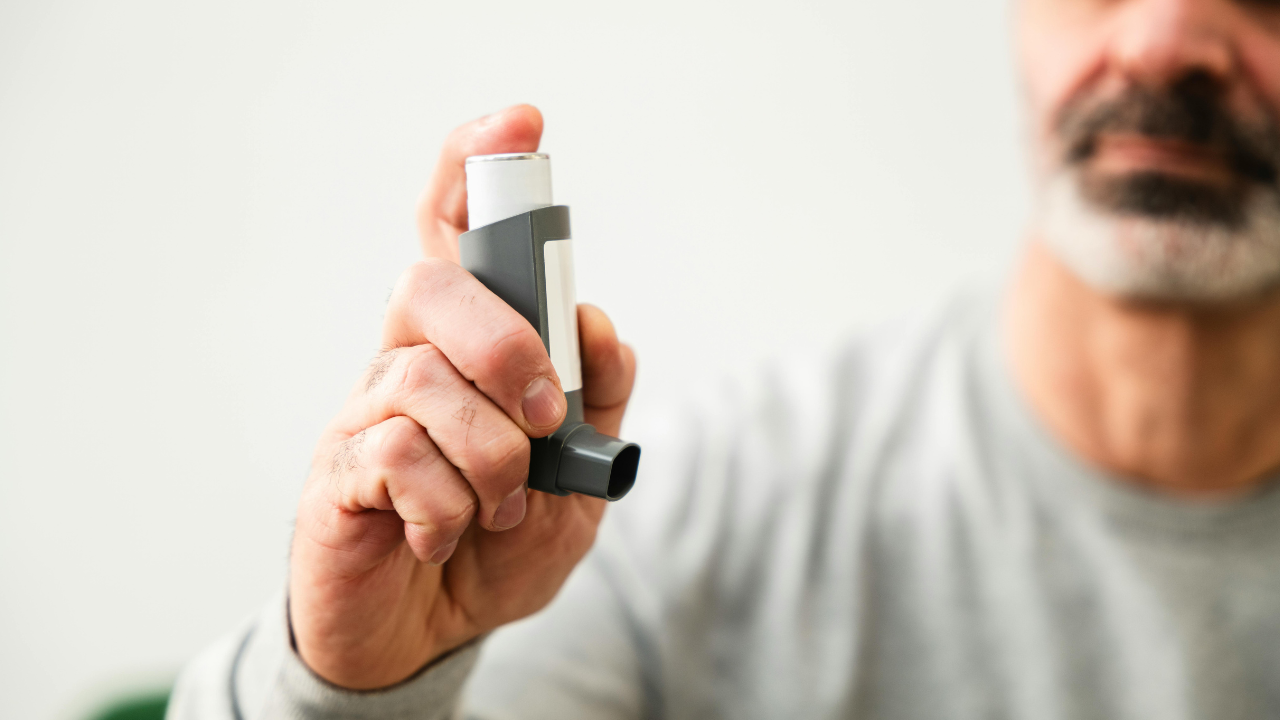
Stem Cell Therapy for COPD (Chronic Obstructive Pulmonary Disease)
This article provides an overview of stem cell therapy for COPD (Chronic Obstructive Pulmonary Disease). It explains how mesenchymal stem cells (MSCs) derived from umbilical cord tissue may help repair lung tissue, reduce inflammation, and improve respiratory function. The text outlines the treatment process, including assessment, consultation, stem cell preparation, administration, and follow-up care, highlighting a patient-centered approach for enhanced lung health and quality of life.
Ask any pulmonologist what makes COPD different from most other chronic diseases, and they will tell you the same thing: the damage is permanent.
When emphysema destroys the alveoli — the tiny air sacs where oxygen crosses into the bloodstream — conventional medicine has no answer for what was lost. Bronchodilators widen the airways that remain. Steroids reduce inflammation when it flares. Oxygen therapy compensates for failing gas exchange. Pulmonary rehabilitation builds the muscle strength needed to function with diminished lungs. All of it is management. None of it is repair.
That distinction — between managing disease and reversing it — is why stem cell therapy for COPD matters. Not because it offers a simple fix, but because for the first time in the disease's history, clinical evidence now exists showing that damaged lung tissue can be regenerated in living patients. The alveoli can be rebuilt. Gas transfer can improve. Breathlessness can diminish.
The question is no longer whether this is possible. It is how, for whom, and when.
For closely related cardiovascular and metabolic considerations, readers may also review Stem Cell Therapies for Cardiovascular Diseases and Stem Cell Treatment for Ischemic Cardiomyopathy.
The Architecture of a Disease
COPD is an umbrella term covering two overlapping conditions that share a common driver — chronic airway inflammation — but destroy the lung in different ways.
Emphysema attacks the alveoli. Chronic inflammation, typically from cigarette smoke or pollutant exposure, activates proteolytic enzymes that break down the elastic walls of the alveolar sacs. The walls between adjacent alveoli coalesce and rupture, merging small, efficient gas-exchange units into large, flaccid air spaces with dramatically reduced surface area. Oxygen transfer becomes progressively impaired. The lungs lose their elasticity and hyperinflate — trapping air, increasing the effort of breathing, and compressing the diaphragm into a mechanically disadvantaged position.
Chronic bronchitis attacks the airways. Persistent mucus hypersecretion, goblet cell proliferation, and airway wall remodeling progressively narrow the bronchioles, increasing resistance to airflow and creating the productive cough that defines the condition.
Most COPD patients have both.
The consequences accumulate slowly, invisibly at first — a slight reduction in exercise tolerance, a morning cough that is easy to attribute to other causes — until a threshold is crossed and breathlessness begins to interfere with daily life. By the time most patients receive a diagnosis, they have already lost a substantial portion of functional lung tissue.
COPD affects more than 390 million people worldwide. It is the third leading cause of death globally. And until very recently, the trajectory after diagnosis was entirely predictable: gradual decline, punctuated by acute exacerbations, toward respiratory failure.
Why the Lung Is So Hard to Repair
The lung's regenerative capacity is limited by its anatomy. Alveolar type I cells — the thin, flat cells responsible for gas exchange — have minimal proliferative capacity. When they die in bulk, as they do in emphysema, the body struggles to replace them. The lung's resident stem cell population (including airway basal cells) is insufficient to mount a meaningful repair response against the scale of damage in moderate-to-severe COPD.
This regenerative inadequacy is compounded by the ongoing inflammatory environment. Even after exposure to cigarette smoke ends, the inflammatory cascade it triggers in the airway can persist — continuing to degrade the extracellular matrix and suppress the activity of what few progenitor cells remain.
Cell therapy approaches COPD from precisely this angle: not by suppressing symptoms downstream, but by reintroducing the cellular machinery the lung needs to rebuild what disease has destroyed.
Two Distinct Cell Therapy Strategies
P63+ Lung Progenitor Cell Transplantation
The most significant advance in COPD cell therapy is not the application of a systemic cell type to the lung — it is the use of the lung's own dedicated progenitor cells, harvested, expanded, and returned to the tissue they are biologically programmed to repair.
P63+ cells are airway basal progenitor cells — a population that resides in the basal layer of the bronchial epithelium and serves as the lung's primary regenerative reserve. Under normal conditions, they replenish airway epithelial cells lost to natural turnover or minor injury. In COPD, their capacity is overwhelmed and their numbers depleted. The therapeutic strategy is to harvest these cells from the patient's own airway via bronchoscopic brushing, culture them to expand the population to clinically relevant numbers (tens to hundreds of millions of cells), and then return them to the lung via bronchoscopy — where they integrate into the airway epithelium and alveolar tissue and initiate structural repair.
This approach is autologous — using the patient's own cells — which eliminates the need for immunosuppression entirely.
Mesenchymal Stem Cell (MSC) Therapy
MSCs derived from bone marrow or adipose tissue do not differentiate into lung epithelial cells. Their role in COPD is immunomodulatory and paracrine: they reduce the chronic airway inflammation that perpetuates alveolar destruction, suppress the production of matrix-degrading enzymes, and secrete growth factors that support the activity of the lung's own progenitor cells. Clinical trials have confirmed that intravenous MSC infusion is safe in COPD patients and produces measurable reductions in systemic inflammatory markers (including C-reactive protein), with improvement in functional capacity.
The Clinical Evidence
Wang et al. (2024) — Science Translational Medicine: The Landmark P63+ Trial
The most significant clinical study in COPD regenerative medicine to date was published in Science Translational Medicine in February 2024 by Professor Wei Zuo and colleagues from Tongji University and Guangzhou Medical University (including the State Key Laboratory of Respiratory Diseases).
The study enrolled 28 participants with stage II to IV COPD — a spectrum encompassing moderate to very severe disease. Seventeen patients received the active intervention: autologous P63+ progenitor cells isolated from their own airway basal layer via bronchoscopic brushing, expanded in culture for three to five weeks, and transplanted back into the lungs via bronchoscopy at doses ranging from 0.7 to 5.2 × 10⁶ cells per kilogram of body weight.
The results at 24 weeks were unambiguous:
- Gas transfer function (DLCO) improved by +18.2% from baseline — a clinically meaningful change in a measure that directly reflects the lung's ability to transfer oxygen into the bloodstream
- Improvement in exercise capacity (six-minute walk distance)
- Relief of key symptoms including shortness of breath, exercise intolerance, and persistent coughing
- No grade 3 to 5 adverse events or serious adverse events in the treatment group
These outcomes — published in one of the world's most rigorous biomedical journals — represent the first controlled clinical evidence that structural lung repair is achievable in living COPD patients. The results build on a 2023 presentation at the European Respiratory Society International Congress, where 17 patients who completed the trial were reported to breathe better, walk further, and have better quality of life.
Professor Zuo told the ERS Congress: "Stem cell and progenitor cell-based regenerative medicine may be the biggest, if not the only, hope to cure COPD."
Phase 1/2 REGEND001 Trial for COPD — Ruijin Hospital (2025)
Building directly on the 2024 Science Translational Medicine findings, Ruijin Hospital launched an active Phase 1/2 clinical trial (NCT06946953, registered March 2025) specifically evaluating REGEND001 — the autologous bronchial basal cell therapy — for COPD treatment. The primary endpoint is improvement in lung diffusion capacity (DLCO), with secondary endpoints including spirometry, CT imaging, exercise capacity, and quality of life. The trial enrolled patients aged 40–80 with confirmed COPD and emphysema.
MSC Therapy Meta-Analysis — 371 COPD Patients (2022)
A systematic review and meta-analysis published in Cells (2022) pooled data from 11 studies involving 371 COPD patients who received stem cell-based regenerative therapy. The analysis found statistically significant improvements in six-minute walk test distance (+52 metres from baseline, p < 0.05) and a strong trend toward improvement in FEV₁ (+71 mL) — a primary spirometric measure of airflow obstruction. No serious adverse events were attributable to cell therapy across the pooled dataset.
Understanding the Outcome Measures
For patients evaluating any COPD treatment, it helps to understand what the numbers mean:
DLCO (Diffusing Capacity of the Lung for Carbon Monoxide) measures how efficiently the lungs transfer gas from the air into the bloodstream. In emphysema, DLCO falls as alveolar surface area is destroyed. An 18.2% improvement from baseline represents a meaningful structural improvement in the lung's fundamental gas exchange function — the kind of change that translates directly into better breathing and greater exercise tolerance.
FEV₁ (Forced Expiratory Volume in 1 second) measures how much air a patient can forcibly exhale in one second — the standard spirometric index of airflow obstruction. It defines COPD severity staging (GOLD I–IV) and tracks disease progression over time.
Six-Minute Walk Test (6MWT) measures how far a patient can walk in six minutes under standardized conditions — a direct measure of functional exercise capacity and a strong predictor of quality of life and mortality in COPD.
An improvement of 52 metres in the 6MWT — as seen in the MSC meta-analysis — exceeds the widely accepted minimal clinically important difference for this measure in COPD, meaning it represents a change that patients can feel in their daily lives.
The Treatment Process
Step 1 — Evaluation and Spirometry Complete pulmonary function testing (DLCO, FEV₁, FVC, TLC), high-resolution CT of the chest, clinical assessment, and review of COPD severity staging. Alpha-1 antitrypsin deficiency screening where clinically indicated. Cardiac assessment to confirm fitness for bronchoscopy.
Step 2 — Cell Harvest For P63+ progenitor cell therapy: bronchoscopic brushing of the airway basal layer under local anesthesia with mild sedation. The procedure takes approximately 30 minutes. A small sample of airway epithelium is collected from the bronchial wall using a specialized brushing catheter — no incisions, no significant recovery time.
Step 3 — Cell Expansion The harvested sample is transported to a specialist cell manufacturing facility under cold-chain conditions. P63+ progenitor cells are isolated, cultured under proprietary expansion conditions, and expanded over three to five weeks to produce the therapeutic cell product. Quality testing confirms cell identity, purity, sterility, and viability before release for clinical use.
Step 4 — Bronchoscopic Transplantation The expanded cell product is delivered back into the lungs via bronchoscopy — the same approach used for harvest. The cell suspension is distributed into the target airway regions under direct visualization. The procedure is conducted under sedation and typically completed within an hour.
Step 5 — Recovery and Follow-Up Patients are monitored for several hours post-procedure and typically discharged the same day. Follow-up includes pulmonary function testing at 4, 12, and 24 weeks, with CT imaging at six months to assess structural response. The 2024 trial protocol's timeline of structural improvement at 24 weeks provides the clinical framework for monitoring.
Who Is a Candidate?
Current evidence focuses on patients with moderate to very severe COPD (GOLD stage II–IV) and emphysema confirmed on CT imaging. Ideal candidates:
- Have a confirmed diagnosis of COPD with emphysematous component on CT
- Experience persistent dyspnoea and exercise limitation despite optimized inhaler therapy and pulmonary rehabilitation
- Have FEV₁ between approximately 30–70% predicted (moderate to severe disease)
- Are non-smokers or have ceased smoking for at least several months
- Are medically fit for bronchoscopy
- Do not have active respiratory infection or significant comorbidities that would preclude the procedure
For patients with very advanced COPD (GOLD IV, FEV₁ < 30% predicted), assessment should consider whether sufficient viable airway basal cells remain for meaningful harvest and expansion — a factor that varies between individuals and is best evaluated by specialist assessment.
What Stem Cell Therapy Cannot Do for COPD
Honesty about limitations is as important as enthusiasm about possibilities.
Cell therapy for COPD is not a cure in the conventional sense. It does not restore the lung to pre-disease condition. It cannot reverse decades of cumulative alveolar loss in a single treatment. What the clinical evidence shows is meaningful, durable improvement in gas transfer function and exercise capacity — changes that improve quality of life significantly — without the disease reversal that the word "cure" implies.
The lung's regenerative window also matters. Once alveolar architecture is extensively replaced by fibrosis and emphysematous bullae, the structural substrate available for regeneration is reduced. Earlier intervention — before end-stage disease — consistently produces better outcomes.
Continued smoking after treatment undermines the regenerative benefit. Smoking cessation is a prerequisite for treatment in all reputable programs.
Frequently Asked Questions
Is this the same as the "stem cell therapy" advertised at wellness clinics? No. The treatments described in this article are supported by peer-reviewed clinical trial data published in leading scientific journals, including Science Translational Medicine. Commercial "stem cell" offerings for COPD that lack published clinical trial evidence should be approached with significant caution. The distinction between evidence-based regenerative medicine and unproven commercial treatments is important and real.
How long does the cell expansion process take? Three to five weeks from the date of the bronchoscopic harvest to the date of transplantation. Patients should expect this timeline when planning treatment.
Is this safe for elderly patients? The 2024 Science Translational Medicine trial enrolled patients with stage II–IV COPD — a population that includes older adults with significant disease burden. No serious adverse events were recorded in the treatment group. Individual assessment, including cardiac and functional status, determines suitability for bronchoscopy.
Can this be combined with my current COPD medications? Yes. Inhaled bronchodilators, corticosteroids, and other standard COPD medications are maintained throughout the treatment process. They address different aspects of the disease and are complementary to regenerative therapy, not replaced by it.
Will I still need supplemental oxygen after treatment? This depends on the degree of improvement achieved and the baseline severity of disease. The 18.2% improvement in DLCO observed in the 2024 trial suggests meaningful improvement in gas transfer function — which could reduce oxygen requirement in some patients — but individual outcomes vary and should be discussed with your specialist.
Is one treatment session sufficient? Based on current protocols, a single harvest-expansion-transplantation cycle is the treatment. Long-term follow-up data beyond 24 weeks is still accumulating. The active Phase 1/2 trial at Ruijin Hospital will provide important additional durability data.
A Disease at the Edge of Its History
COPD has been, for its entire documented history, a disease defined by progression. Diagnose it, manage it, slow it where possible, but accept that the fundamental trajectory moves in only one direction.
The 2024 Science Translational Medicine publication did not overturn that history quietly. It announced, with data from a controlled clinical trial, that damaged lung tissue can be structurally repaired in living patients — that the DLCO of a stage III COPD patient can improve by nearly a fifth after a single cell transplantation procedure. That patients who struggled to walk or breathe could do both better.
This is not a promise. It is a data point. One of several, from a field that is accelerating rapidly. The Phase 1/2 trial now enrolling at Ruijin Hospital is the next step in that trajectory.
For patients and families who have watched COPD take breath — slowly, year by year — the science is finally moving in a different direction.
Contact our team to discuss whether stem cell therapy is appropriate for your stage of COPD and what the current evidence means for your specific situation.
This article is for informational purposes only and does not constitute medical advice. COPD management should always be supervised by a qualified pulmonologist or respiratory medicine specialist.
Quick Question