
Stem Cell Therapy for Tendinitis: Shoulder & Achilles Tendon
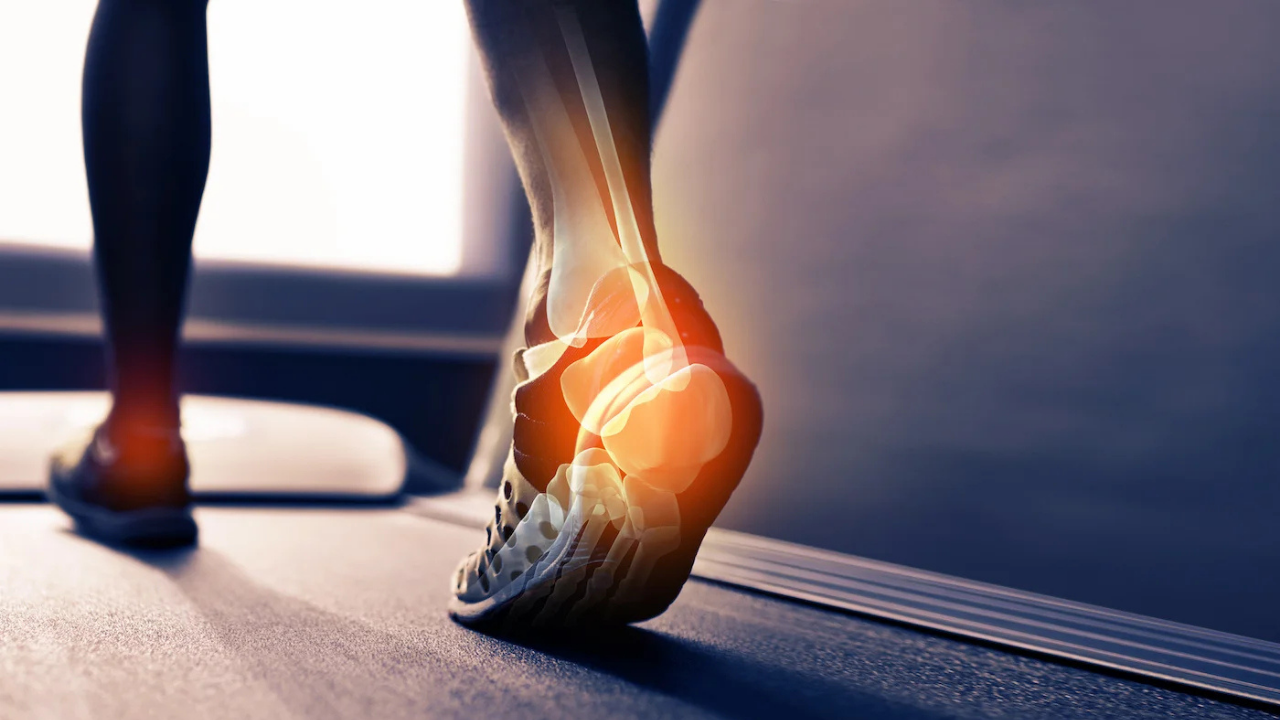
Stem Cell Therapy for Tendinitis: Shoulder & Achilles Tendon
Stem cell therapy is an innovative approach that supports tissue repair, reduces pain, and improves mobility in conditions such as shoulder and Achilles tendinitis.
Tendinitis is a common tendon-related condition that can significantly affect the musculoskeletal system, especially in high-load areas such as the shoulder and Achilles tendon. It may develop in professional athletes, recreational sports participants, physically active individuals, or people whose daily routines involve repetitive movements and mechanical strain.
When tendon tissue is irritated or damaged, the problem is not limited to pain. Tendinitis may also cause stiffness, weakness, restricted movement, reduced performance, and an increased risk of recurring injuries. In chronic cases, tendon quality may deteriorate over time, making recovery slower and more complex.
Conventional treatment options such as rest, medication, physical therapy, ice application, activity modification, and injections may help many patients. However, when symptoms persist or return frequently, regenerative medicine approaches such as stem cell therapy may be considered as supportive options to biologically support damaged tendon tissue.
Stemcell Consultancy provides personalized stem cell treatment planning for patients with tendon-related problems. The aim is to support biological healing, improve function, and help patients return to daily activities or sports with a safer and more structured recovery plan.
Because symptoms and tissue damage can overlap across related joints, muscles, and connective tissues, readers may also compare Stem Cell Treatment for Golfer's Elbow or Tennis Elbow.
What Is Tendinitis and Why Is It Important?
Tendinitis is a condition involving irritation, inflammation, or structural weakening of the tendons. Tendons are strong fibrous tissues that connect muscles to bones and help transfer force during movement. Because tendons are exposed to repetitive load and have limited blood supply compared with muscles, they may heal slowly after injury.
The shoulder and Achilles tendon are among the most commonly affected areas. The shoulder, especially the rotator cuff tendons, is frequently exposed to repetitive overhead movements, lifting, throwing, and posture-related strain. The Achilles tendon, which connects the calf muscles to the heel bone, carries high forces during walking, running, jumping, and climbing stairs.
If tendinitis is not managed properly, acute irritation may develop into chronic tendinopathy. In this stage, the problem may involve tendon degeneration, collagen disorganization, thickening, reduced elasticity, and incomplete healing rather than simple inflammation alone.
Tendinitis vs. Tendinopathy: What Is the Difference?
The terms tendinitis and tendinopathy are often used together, but they do not always mean the same thing. Tendinitis usually refers to tendon inflammation, especially in the earlier stages of injury. Tendinopathy is a broader term that describes chronic tendon pain and structural changes, often involving degeneration and impaired tendon remodeling.
This distinction is important because chronic tendon pain may not respond fully to treatments that only reduce inflammation. In long-standing cases, the treatment plan should focus on tendon remodeling, gradual loading, tissue quality, biomechanics, and functional recovery.
Common Causes of Shoulder and Achilles Tendinitis
Shoulder and Achilles tendinitis usually do not develop from a single event. In most cases, repetitive microtrauma, excessive load, biomechanical imbalance, poor recovery, and training errors gradually damage the tendon structure.
Common causes include:
- Overuse: Repetitive movements, high-volume training, and insufficient recovery time place continuous stress on tendon tissue.
- Poor technique or posture: Incorrect sports technique or poor posture may overload the shoulder, ankle, or calf-tendon system.
- Muscle imbalances: Weakness or tightness in certain muscle groups can disrupt load distribution across the tendon.
- Aging and degeneration: As people age, tendon elasticity may decrease and collagen structure may become more vulnerable.
- Rapid load increase: Sudden increases in running distance, speed, weightlifting load, or training intensity may overstress the tendon.
- Improper footwear: Unsuitable shoes may increase stress on the Achilles tendon and surrounding structures.
- Limited mobility: Tight calf muscles, restricted ankle mobility, or shoulder stiffness may increase tendon strain.
- Occupational stress: Repetitive lifting, overhead work, or prolonged computer use may contribute to tendon overload.
When these factors continue over time, microtears, inflammation, thickening, pain, and reduced tendon quality may develop. The body attempts to repair the damage, but because tendon healing is slow, full recovery may not occur without proper intervention.
Symptoms: How Does Tendinitis Affect Daily Life?
Tendinitis is not only a sports-related problem. When it becomes chronic, it can affect work, sleep, daily movement, exercise capacity, and overall quality of life.
Common symptoms of shoulder tendinitis include:
- Sharp or aching pain when raising the arm
- Pain when moving the arm out to the side
- Night pain that disrupts sleep
- Difficulty dressing, reaching overhead, or combing hair
- Shoulder weakness
- A feeling of heaviness in the arm
- Reduced range of motion
- Pain during lifting, pushing, or throwing movements
Common symptoms of Achilles tendinitis include:
- Pain between the heel and calf
- Tenderness or burning sensation along the tendon
- Morning stiffness during the first steps
- Pain during running, jumping, or climbing stairs
- Discomfort when rising onto the toes
- Thickening or swelling along the tendon
- Reduced running or walking tolerance
- Increased pain after activity
Over time, these symptoms may cause people to avoid movement, reduce sports participation, lose strength, and experience frustration or anxiety about recurring pain.
How Is Tendinitis Diagnosed?
Diagnosis begins with a detailed medical history and physical examination. The specialist evaluates the location of pain, duration of symptoms, movement limitations, activity triggers, training habits, previous injuries, and response to earlier treatments.
Depending on the condition, diagnostic assessment may include:
- Physical examination of the affected tendon
- Range of motion testing
- Strength and flexibility assessment
- Functional movement evaluation
- Ultrasound imaging
- MRI when structural damage or partial tear is suspected
- X-ray if bone-related problems need to be ruled out
- Biomechanical assessment for athletes or active patients
Accurate diagnosis is important because tendon pain may sometimes be confused with bursitis, arthritis, nerve compression, muscle injury, joint instability, impingement, or partial tendon rupture.
Limitations of Conventional Tendinitis Treatments
Conventional tendinitis treatments typically include rest, ice application, non-steroidal anti-inflammatory drugs, physical therapy, braces, activity modification, and in selected cases, injection-based treatments. These approaches can be useful, especially in early-stage or mild cases.
However, conventional treatments may have limitations in chronic tendinopathy, including:
- Temporary reduction of pain while the underlying tendon degeneration persists
- Incomplete recovery if tendon loading and biomechanics are not corrected
- Loss of strength and conditioning due to prolonged rest
- Slow response in chronic cases when relying only on symptom control
- Potential tendon weakening risk with repeated corticosteroid injections, especially in certain tendons
- Persistent recurrence if the original overload pattern continues
For this reason, many patients seek biological treatment options that aim to support tissue repair and tendon remodeling rather than simply suppress pain.
How Can Stem Cell Therapy Support Tendon Healing?
Stem cell therapy is a regenerative medicine approach that aims to support healing at the cellular and tissue level. In tendinitis and tendinopathy, the goal is to improve the biological environment of the damaged tendon, support repair signaling, regulate inflammation, and contribute to tissue remodeling.
Mesenchymal stem cells (MSCs) are commonly studied in regenerative medicine because they can release bioactive molecules, growth factors, cytokines, and extracellular vesicles that may influence repair processes. Their potential role in tendon healing is mainly related to signaling and tissue support rather than direct replacement of tendon cells.
Stem cell therapy may help support tendon healing by:
- Modulating inflammation around damaged tissue
- Supporting collagen remodeling
- Improving the local healing environment
- Encouraging repair signaling in areas with microdamage
- Supporting tendon elasticity and tissue quality over time
- Helping reduce chronic pain associated with tendon degeneration
- Supporting recovery when combined with rehabilitation
Stem cell therapy should not be viewed as a guaranteed cure. Results may vary depending on the severity of tendon damage, chronicity of symptoms, patient age, general health, physical activity level, rehabilitation compliance, and the specific treatment protocol used.
The Role of PRP in Tendon Regeneration
Platelet-rich plasma, commonly known as PRP, is another regenerative treatment option that may be used in tendon problems. PRP is prepared from the patient’s own blood and contains a concentrated level of platelets and growth factors that may support healing activity.
In some tendinitis protocols, PRP may be combined with stem cell therapy. The goal of this combination is to create a stronger regenerative environment by bringing together growth factor support and stem cell-derived signaling.
Potential benefits of combining PRP and stem cell therapy may include:
- Enhanced biological stimulation
- Support for tendon remodeling
- Improved tissue repair signaling
- Better inflammatory regulation
- Potential pain reduction over time
- Support for functional recovery when paired with rehabilitation
PRP or stem cell therapy may not be necessary or suitable for every patient. The decision should be based on diagnosis, imaging findings, previous treatment response, and medical suitability.
Stem Cell Therapy for Shoulder Tendinitis
Shoulder tendinitis most commonly affects the rotator cuff tendons. These tendons are essential for lifting, rotating, stabilizing, and controlling the shoulder joint. Because the shoulder has a wide range of motion, even small tendon problems can significantly affect daily function.
Stem cell therapy may be considered in selected shoulder tendinitis cases when symptoms are chronic, recurrent, or resistant to conservative treatment. Before treatment, the degree of tendon damage should be evaluated carefully.
In Stemcell Consultancy’s approach to shoulder tendinitis:
- The patient’s medical history and previous treatments are reviewed.
- Physical examination and imaging, such as MRI or ultrasound, may be evaluated.
- The severity of tendon irritation, degeneration, or partial injury is assessed.
- A personalized regenerative protocol is planned when appropriate.
- Stem cell-based support may be combined with rehabilitation and shoulder stabilization exercises.
The aim is to support tendon tissue quality, reduce pain, improve movement, and help the shoulder regain better functional capacity.
Stem Cell Therapy for Achilles Tendinitis
Achilles tendinitis is common among runners, football players, basketball players, jumpers, and active individuals. It may also occur in people who suddenly increase walking distance, change shoes, train on hard surfaces, or have tight calf muscles.
The Achilles tendon carries high mechanical loads, and chronic irritation may lead to tendon thickening, stiffness, degeneration, and reduced load tolerance. In more severe cases, tendon weakening may increase the risk of partial or complete rupture.
Stem cell therapy for Achilles tendinitis may be considered with the following goals:
- Supporting inflamed or weakened tendon tissue
- Helping reduce chronic pain and stiffness
- Supporting tendon elasticity and load-bearing capacity
- Encouraging tissue repair signaling
- Helping patients return to walking, running, or sports more safely
- Reducing recurrence risk when combined with proper load management
At Stemcell Consultancy, Achilles tendinitis is evaluated together with foot biomechanics, calf muscle strength, ankle mobility, running or walking habits, footwear, and training load. Treatment is not viewed as a single injection alone; it is planned as part of a broader recovery strategy.
The Treatment Process Under Stemcell Consultancy
At Stemcell Consultancy, stem cell-based treatment for tendinitis is planned through a structured and individualized process. Each patient’s condition, lifestyle, expectations, activity level, and medical suitability are evaluated before treatment.
1. Initial Assessment
The first stage includes a detailed review of the patient’s medical history, symptoms, previous treatments, imaging results, and functional limitations. The degree and duration of tendinitis are evaluated carefully.
This assessment may include:
- Physical examination
- Review of MRI or ultrasound findings
- Analysis of pain triggers
- Strength and mobility testing
- Evaluation of sports or work-related stress factors
- Review of previous medications, injections, or physiotherapy
- Assessment of general health and risk factors
2. Eligibility Analysis
After the initial assessment, the medical team evaluates whether stem cell therapy may be a suitable option. This includes reviewing the risk-benefit balance, the severity of tendon damage, and the patient’s recovery goals.
If the patient has a condition that requires surgery, urgent treatment, or a different medical approach, this is discussed transparently.
3. Treatment Planning
If the patient is considered suitable, a personalized treatment plan is created. The plan may include the type of stem cell-based product, application route, number of sessions, possible PRP support, rehabilitation recommendations, and follow-up schedule.
The plan is designed according to:
- The affected tendon
- Severity of tissue damage
- Duration of symptoms
- Patient age and activity level
- Sports or occupational goals
- Previous treatment response
- Overall health status
4. Treatment Day
On the treatment day, the procedure is performed under sterile conditions by an experienced medical team. The target tendon region is prepared, and the regenerative application is carried out according to the personalized protocol.
The procedure is generally minimally invasive. Depending on the case, imaging guidance may be used to improve injection accuracy and ensure that the treatment is directed toward the relevant tendon region.
5. Follow-Up and Rehabilitation
After treatment, follow-up is scheduled to monitor pain, function, mobility, strength, and recovery progress. Rehabilitation is often an essential part of achieving better long-term results.
Patients may receive guidance on:
- Activity modification
- Gradual return to exercise
- Stretching and strengthening exercises
- Load management
- Posture and technique correction
- Footwear or ergonomic adjustments
- Warning signs that require medical attention
The goal is to support biological healing while preventing early overload of the tendon.
When Can Patients Expect Results?
Stem cell therapy does not usually work like a fast painkiller. Tendon healing is gradual because tissue remodeling, collagen organization, and load tolerance require time.
A general recovery timeline may include:
- First few days: Mild soreness, sensitivity, or temporary discomfort may occur around the treated area.
- First 2–6 weeks: Some patients may begin to notice reduced pain or improved comfort during daily activities.
- 6–12 weeks: Functional changes, better mobility, and improved load tolerance may become more noticeable.
- 3–6 months: Tendon remodeling and strength improvement may continue, especially with rehabilitation.
The timeline varies for each patient. Chronic tendinopathy, severe degeneration, poor biomechanics, uncontrolled systemic disease, or early return to intense activity may slow recovery.
Who May Be a Candidate for Stem Cell Therapy in Tendinitis?
Stem cell therapy for shoulder or Achilles tendinitis is not suitable for everyone. Eligibility must be assessed individually by qualified healthcare professionals.
Potential candidates may include:
- Patients with chronic shoulder or Achilles tendinitis
- Individuals who have not improved sufficiently with conventional treatment
- Athletes with recurrent tendon pain
- Patients with moderate tendon damage seeking a non-surgical supportive option
- People with tendon degeneration confirmed by imaging or clinical evaluation
- Individuals who want to support tendon structure and function biologically
- Patients who are willing to follow rehabilitation and load-management guidance
The most appropriate candidates are usually those who have realistic expectations and understand that regenerative therapy works best as part of a comprehensive treatment plan.
Who May Not Be Suitable?
Stem cell therapy may be postponed or avoided in certain situations. These may include:
- Active infection
- Uncontrolled diabetes
- Severe immune system disorders
- Active cancer or certain cancer histories
- Blood clotting disorders
- Use of blood thinners that cannot be safely managed
- Complete tendon rupture requiring surgical repair
- Severe tendon retraction
- Recent major surgery
- Pregnancy or breastfeeding
- Severe systemic disease that increases procedural risk
- Unrealistic expectations of guaranteed recovery
In these cases, further medical evaluation, stabilization, or alternative treatment planning may be necessary.
Potential Benefits and Important Considerations
Stem cell therapy may offer potential support for patients with shoulder or Achilles tendinitis, especially when symptoms are chronic or recurrent. However, it should always be approached with realistic expectations and proper medical supervision.
Potential benefits may include:
- Support for tendon tissue repair
- Reduced pain over time
- Improved tendon quality and elasticity
- Better range of motion
- Improved strength and load tolerance
- Support for return to sport or daily activity
- Reduced recurrence risk when combined with rehabilitation
- Possible avoidance or delay of more invasive procedures in selected cases
Important considerations include:
- Results are not guaranteed.
- Healing may take weeks or months.
- Severe tendon tears may require surgical evaluation.
- Rehabilitation is often necessary for long-term success.
- Activity modification is essential to prevent recurrence.
- Possible risks and side effects should be discussed before treatment.
- The regulatory status of regenerative therapies may vary by country.
Stemcell Consultancy aims to provide transparent information, responsible medical guidance, and realistic expectation management throughout the process.
Supporting Recovery: Rehabilitation and Lifestyle
The biological support provided by stem cell therapy can be more meaningful when combined with proper rehabilitation and lifestyle adjustments. Tendons need controlled loading to become stronger, more flexible, and more resistant to future injury.
Supportive measures may include:
- Guided physiotherapy
- Controlled stretching exercises
- Progressive strengthening
- Eccentric loading exercises when appropriate
- Gradual return to sports
- Improved posture and movement mechanics
- Biomechanical assessment for running, jumping, or throwing
- Proper footwear selection
- Adequate sleep and recovery
- Balanced nutrition and hydration
- Weight management when necessary
- Stress reduction and inflammation control
Patients should avoid rushing back into intense exercise or repetitive strain before the tendon has regained sufficient tolerance.
How to Prevent Tendinitis from Coming Back
Preventing recurrence is a key part of long-term tendon health. If the original cause of overload is not corrected, pain may return even after successful treatment.
Prevention strategies include:
- Warm up before exercise
- Increase training intensity gradually
- Avoid sudden increases in running distance or weight load
- Strengthen surrounding muscles
- Improve shoulder, hip, ankle, and core stability
- Use proper sports technique
- Choose suitable footwear for activity type
- Take breaks during repetitive work
- Correct ergonomic problems at work
- Maintain flexibility in the calf, shoulder, and forearm muscles
- Seek early treatment when mild symptoms begin
A long-term prevention plan should be personalized according to the patient’s activity level, occupation, sport, and biomechanics.
Why Choose Stemcell Consultancy for Tendinitis-Focused Stem Cell Therapy?
Stemcell Consultancy offers a modern, personalized, and medically supervised approach for patients with challenging tendon problems such as shoulder tendinitis and Achilles tendinitis. Each patient is evaluated not only according to imaging findings, but also according to lifestyle, activity demands, expectations, and functional goals.
Key advantages include:
- Personalized stem cell treatment protocols
- Detailed evaluation of tendon health
- Assessment of previous treatments and imaging results
- Quality-focused preparation process
- Minimally invasive regenerative applications
- Transparent explanation of benefits and limitations
- Integration with rehabilitation and lifestyle recommendations
- Patient-centered care in Istanbul
- Follow-up support during recovery
The core aim is not only to reduce pain, but also to help patients regain safer, stronger, and more functional movement capacity.
Frequently Asked Questions About Stem Cell Therapy for Tendinitis
Can stem cell therapy cure tendinitis?
Stem cell therapy should not be described as a guaranteed cure. It may support tendon repair, reduce pain, and improve function in selected patients, but results vary depending on tendon damage, overall health, rehabilitation, and activity modification.
Is stem cell therapy suitable for both shoulder and Achilles tendinitis?
It may be considered for selected patients with shoulder or Achilles tendinitis after medical evaluation. The treatment plan depends on the tendon involved, severity of symptoms, imaging findings, and previous treatment response.
How long does recovery take?
Recovery is gradual. Some patients may notice changes within several weeks, while tendon remodeling may continue for several months. Rehabilitation and controlled loading are important during this period.
Is the procedure painful?
The procedure is generally minimally invasive. Some patients may feel temporary soreness, pressure, or sensitivity around the application area. The medical team provides aftercare instructions to support comfort and recovery.
Can I return to sports after treatment?
Many patients aim to return to sports, but return should be gradual and guided by a healthcare professional. Strength, flexibility, tendon tolerance, and movement mechanics should be restored before high-intensity activity.
Do I still need physical therapy?
Yes, in many cases physical therapy is essential. Stem cell therapy may support biological healing, while rehabilitation helps restore strength, mobility, coordination, and tendon load capacity.
Is PRP always combined with stem cell therapy?
No. PRP may be added when medically appropriate, but it is not required in every case. The decision depends on the patient’s tendon condition and treatment plan.
Can stem cell therapy prevent tendon rupture?
No treatment can guarantee prevention of tendon rupture. However, improving tendon health, correcting overload, following rehabilitation, and avoiding risky activity patterns may help reduce future injury risk.
Who should avoid this treatment?
Patients with active infection, uncontrolled systemic disease, blood clotting disorders, complete tendon rupture, active cancer, or serious medical risks may not be suitable. A specialist evaluation is required.
Are the results permanent?
Results may last longer when the underlying cause of tendon overload is corrected. Symptoms may return if the patient resumes excessive training, poor technique, improper footwear, or repetitive strain without rehabilitation.
Take the Next Step Toward Healthier Tendons
Persistent shoulder or Achilles tendon pain can negatively affect sports performance, work productivity, daily comfort, and overall quality of life. When conventional methods provide limited relief, stem cell therapy may be considered as a supportive regenerative option for selected patients.
By targeting the biological environment of the damaged tendon, stem cell-based therapy aims to support tissue repair, improve tendon quality, reduce pain, and enhance long-term function. However, the best outcomes are usually achieved when treatment is combined with rehabilitation, load management, and lifestyle improvements.
By contacting Stemcell Consultancy, you can learn more about stem cell therapy options for shoulder and Achilles tendinitis and begin your personal evaluation process.
This content is for informational purposes only and does not replace medical diagnosis, treatment, or professional medical advice. Tendon pain may have different causes, and every patient should be evaluated individually by a qualified healthcare professional before starting treatment. Stem cell and PRP-based approaches may not be suitable for everyone, and outcomes can vary depending on diagnosis, tendon condition, patient factors, and rehabilitation compliance.
Quick Question