
Stem Cell Treatment for Liver Steatosis and Liver Insufficiency
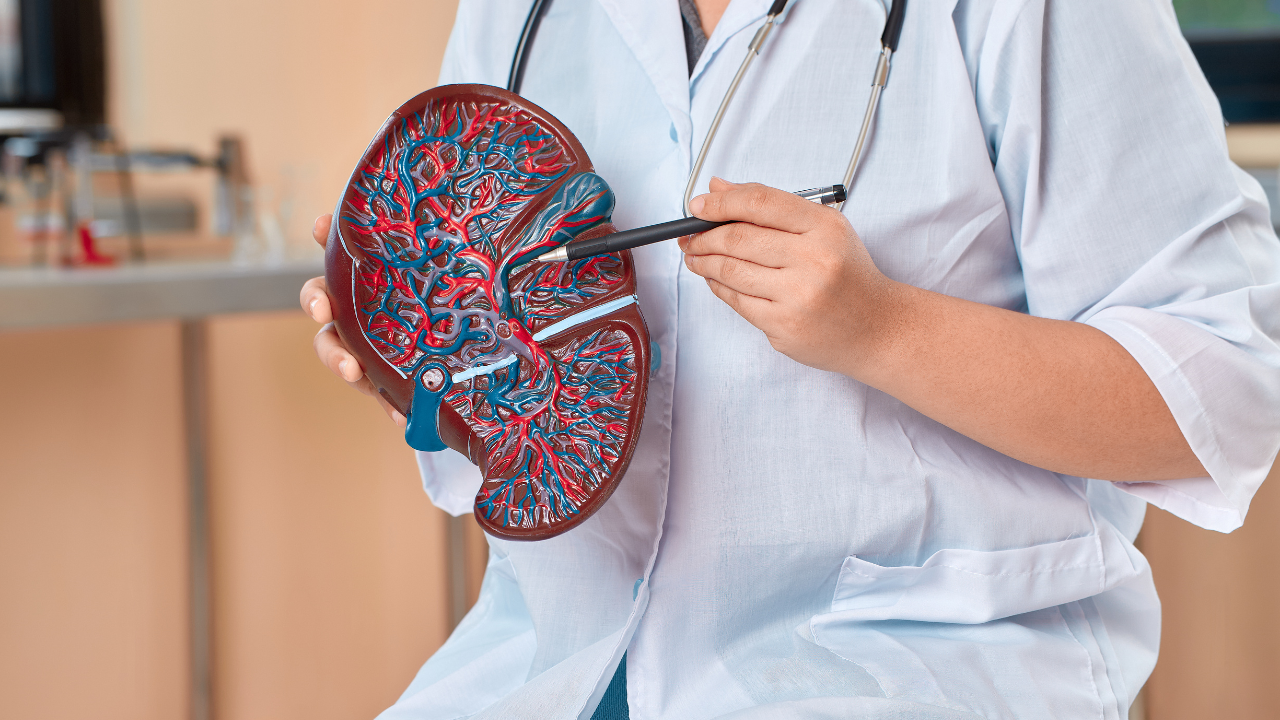
Stem Cell Treatment for Liver Steatosis and Liver Insufficiency
Stem cell therapy offers a promising regenerative approach for liver conditions such as steatosis and insufficiency. By combining mesenchymal stem cells with platelet-rich plasma, this treatment supports liver tissue repair, reduces inflammation, and enhances overall liver function. Minimally invasive and personalized, it complements conventional therapies, aiming to restore health, improve energy levels, and elevate quality of life for patients facing liver challenges.
The liver is the only organ in the human body capable of regenerating itself. Lose a portion of it to surgery, and it will grow back. Expose it to a single toxic insult, and it will often recover completely. This regenerative capacity is what makes the liver remarkable — and it is what makes liver disease so insidious when that capacity is finally exhausted.
Because when the liver fails — whether gradually through decades of fat accumulation and metabolic stress, or acutely through infection, alcohol, or immune-mediated injury — it fails in ways the rest of medicine cannot easily fix. There is no dialysis for the liver. The only definitive treatment for end-stage liver failure is transplantation, and the global gap between patients waiting and donor organs available is not closing.
Stem cell therapy does not replace transplantation. But for a growing population of patients at every stage of liver disease — from early fatty liver to advanced cirrhosis and acute-on-chronic failure — it is emerging as a meaningful intervention that can restore function, slow progression, and in some cases, do what the liver can no longer do for itself.
Two Different Problems, One Organ
This article addresses two related but distinct liver conditions that share a common therapeutic pathway:
Liver steatosis — the accumulation of fat within hepatocytes (liver cells), the early and intermediate stage of a spectrum that includes non-alcoholic fatty liver disease (NAFLD) and non-alcoholic steatohepatitis (NASH), now increasingly referred to as metabolic-associated steatotic liver disease (MASLD). Steatosis affects an estimated 25–30% of the global adult population and is closely linked to obesity, insulin resistance, type 2 diabetes, and metabolic syndrome.
Liver insufficiency — the failure of the liver to perform its essential functions at adequate levels. This can occur acutely (acute liver failure), subacutely (acute-on-chronic liver failure, ACLF), or chronically through advanced fibrosis and cirrhosis. Liver insufficiency represents the downstream destination of untreated or treatment-resistant liver disease — and carries a mortality that escalates sharply as organ function deteriorates.
Understanding what stem cell therapy can offer requires understanding where each condition sits on this spectrum, and how cellular intervention differs between the two.
The Biology of Liver Steatosis
In a healthy liver, fat metabolism is tightly regulated. Fatty acids arrive from the diet and from adipose tissue, are processed by hepatocytes, and are exported as lipoproteins or oxidized for energy. When this balance is disrupted — through excess caloric intake, insulin resistance, or altered gut microbiome signaling — fat begins to accumulate within hepatocytes as lipid droplets.
Simple steatosis (fat accumulation without inflammation) is reversible with lifestyle change. The danger lies in progression. In a subset of patients, fat accumulation triggers oxidative stress, hepatocyte injury, and a chronic inflammatory response — the transition to steatohepatitis. Repeated inflammatory cycles drive activation of stellate cells, the liver's fibrosis-producing cells, and scar tissue gradually replaces functional liver parenchyma.
The trajectory — steatosis → steatohepatitis → fibrosis → cirrhosis → liver failure — is not inevitable, but it is common. And once advanced fibrosis is established, it is difficult to reverse with conventional approaches.
The Biology of Liver Insufficiency
Liver insufficiency occurs when the cumulative loss of functioning hepatocytes — whether from fibrosis, viral infection, immune destruction, toxic injury, or metabolic disease — reduces hepatic reserve below the threshold required for normal physiological function.
The consequences span the organ's full range of responsibilities:
- Synthetic failure — reduced albumin production, coagulation factor synthesis, and protein metabolism
- Detoxification failure — impaired clearance of ammonia, bilirubin, and other metabolic byproducts, leading to jaundice and hepatic encephalopathy
- Metabolic failure — disrupted glucose homeostasis, lipid processing, and drug metabolism
- Portal hypertension — increased resistance to blood flow through the scarred liver, causing ascites, variceal bleeding, and hypersplenism
The MELD score (Model for End-Stage Liver Disease) quantifies this deterioration and predicts short-term mortality. A MELD score above 15 indicates significant risk; above 25, high urgency for transplantation.
It is precisely these markers — MELD score, albumin levels, bilirubin, coagulation parameters — that clinical trials of MSC therapy measure and consistently show improving.
How Stem Cells Work in the Liver
Mesenchymal stem cells (MSCs) address liver disease through several complementary mechanisms, making them effective across the steatosis-to-insufficiency spectrum.
Hepatocyte regeneration and differentiation
MSCs can differentiate into hepatocyte-like cells, contributing directly to the replacement of damaged liver parenchyma. This is the most straightforward regenerative mechanism — new functional cells restoring capacity that disease has destroyed.
Anti-fibrotic action
Hepatic fibrosis — the scar tissue that progressively replaces functional liver — is driven by activated hepatic stellate cells. MSCs suppress stellate cell activation and reduce collagen deposition, interrupting the fibrotic process. Critically, evidence from both animal models and clinical studies suggests that MSC therapy can not only halt fibrosis progression but partially reverse established fibrosis — a finding with major implications for patients with advanced liver disease.
Anti-inflammatory immunomodulation
In steatohepatitis and chronic liver disease, the liver is perpetually inflamed. MSCs secrete anti-inflammatory cytokines (IL-10, TGF-β), suppress pro-inflammatory macrophage activation, and reduce hepatocyte apoptosis (programmed cell death). This interruption of the inflammatory driver reduces the ongoing hepatocyte injury that sustains fibrosis progression.
Lipid metabolism modulation
In steatosis specifically, MSC-derived extracellular vesicles (EVs) — nanoscale signaling particles released by stem cells — carry microRNAs that target key regulatory genes in hepatic lipid metabolism. Preclinical evidence reviewed in a 2025 systematic meta-analysis shows that MSC-derived EVs reduce hepatic fat accumulation, decrease inflammatory markers, and improve insulin sensitivity in NAFLD models — effects that address the metabolic root of steatosis rather than just its histological manifestation.
Paracrine hepatoprotection
Beyond differentiation and direct intervention, MSCs release a broad spectrum of growth factors — hepatocyte growth factor (HGF), vascular endothelial growth factor (VEGF), insulin-like growth factor (IGF-1) — that stimulate the liver's own regenerative machinery, promote angiogenesis in ischemic tissue, and protect surviving hepatocytes from ongoing injury.
What the Clinical Evidence Shows
As of August 2024, 73 clinical studies involving MSCs for liver disorders had been registered on the NIH ClinicalTrials.gov database, making liver disease one of the most actively investigated areas in regenerative medicine. The evidence breaks down across the two conditions covered in this article.
For Liver Steatosis and NAFLD/NASH
Clinical-stage evidence for MSC therapy in NAFLD/NASH is still developing — the majority of robust data comes from preclinical models and early-phase human studies. What those studies consistently demonstrate is reduction in hepatic fat content, normalization of liver enzymes (ALT, AST), reduction in inflammatory markers, and improvement in insulin sensitivity. MSC-derived extracellular vesicles in particular are attracting significant research attention as a scalable, cell-free delivery mechanism for these effects. Phase 2 clinical trials in NAFLD/NASH patients are actively underway internationally.
For Liver Insufficiency and Cirrhosis
The clinical evidence for MSC therapy in liver insufficiency is substantially more developed — spanning more than 12 randomized controlled trials in ACLF and cirrhosis, with consistent findings across multiple systematic reviews and meta-analyses.
A comprehensive meta-analysis published in ScienceDirect (2024) analyzed 8 RCTs across patients with liver failure. The analysis found that MSC therapy combined with standard care significantly enhanced patient survival and reduced MELD scores — with allogeneic MSCs demonstrating superior efficacy in survival outcomes compared to autologous cells. Deep vessel injection combined with a single administration showed the best results for MELD score reduction.
A 2025 meta-analysis specifically focused on ACLF patients confirmed that MSC infusion significantly reduced MELD scores and increased albumin levels — without any reported adverse events across the included studies. This safety profile is particularly significant given the fragility of end-stage liver disease patients.
Across 12 RCTs reviewed in a separate systematic analysis, MSC therapy consistently improved MELD scores, albumin levels, and coagulation function compared to conventional treatment. Hepatic encephalopathy events and gastrointestinal hemorrhage were reduced in MSC-treated groups. The only adverse events reported were transient, self-limiting fevers in a minority of patients — no serious adverse events.
By August 2024, 73 clinical trials had been registered for MSC therapy in liver disease. The most common sources used were umbilical cord-derived MSCs (35 trials) and bone marrow-derived MSCs (24 trials), administered via peripheral intravenous infusion, hepatic artery injection, or portal vein delivery — each with a distinct pharmacokinetic and efficacy profile.
Delivery Methods and Cell Sources
Bone Marrow-Derived MSCs (BM-MSCs)
The most studied source for liver applications. Meta-analyses suggest BM-MSCs may offer superior improvement in MELD scores and albumin levels compared to umbilical cord-derived MSCs, potentially due to their inherent orientation toward mesodermal tissue types including liver stroma.
Umbilical Cord-Derived MSCs (UC-MSCs)
The most commonly used source in current liver trials (35 of 73 registered studies). UC-MSCs offer a young, highly potent cell population that can be banked in large quantities and delivered as an off-the-shelf allogeneic product — important for acute settings where autologous harvest is not feasible.
Adipose-Derived MSCs (AdMSCs)
Used in a smaller number of trials but offering the practical advantage of abundant, easily harvested autologous tissue via minimally invasive lipoaspiration.
MSC-Derived Extracellular Vesicles (EVs)
An emerging cell-free approach particularly relevant to steatosis and NASH. EVs carry the bioactive cargo — miRNAs, growth factors, anti-inflammatory proteins — of MSCs without the complexities of living cell transplantation. They can be standardized, stored, and administered without immunosuppression requirements, and the preclinical evidence for their efficacy in NAFLD is robust and growing.
Route of Administration
The method of delivery affects both efficacy and safety profile. Options include peripheral intravenous infusion (least invasive, widest distribution), hepatic arterial injection (higher local concentration at target organ), portal vein injection (direct liver targeting), and intrahepatic injection. Current evidence suggests that direct liver delivery via deep vessel injection combined with a single high-dose administration produces better MELD score outcomes than peripheral delivery with multiple smaller doses.
The Treatment Pathway
For patients considering MSC therapy for liver disease, the clinical pathway follows a structured framework:
Comprehensive liver evaluation — Baseline liver function panel (ALT, AST, GGT, bilirubin, albumin, INR), MELD score calculation, imaging (ultrasound, MRI/fibroscan for fibrosis staging), and where indicated, liver biopsy for histological grading. Underlying cause of liver disease (metabolic, viral, alcoholic, autoimmune) is documented and factored into treatment planning.
Optimization of baseline conditions — For steatosis patients, concurrent metabolic management (weight management, glycemic control, lipid optimization) maximizes the regenerative response. For insufficiency patients, acute precipitants (infection, bleeding, medication toxicity) are addressed before cellular therapy.
Cell selection and preparation — The cell type and source are selected based on disease stage and clinical context. Allogeneic products (UC-MSC or BM-MSC from donor banks) are most commonly used for insufficiency, given the practical constraints of autologous harvest in ill patients. For steatosis in otherwise healthy individuals, autologous adipose-derived MSCs are a well-tolerated option.
Administration — Typically IV infusion or hepatic artery injection in an inpatient or day-clinic setting, with monitoring for 4–6 hours post-infusion. The procedure itself carries minimal discomfort.
Follow-up monitoring — Serial liver function tests at 1, 4, 8, 12, and 24 weeks allow objective tracking of biochemical response. Imaging at 3 and 6 months assesses fibrosis regression and fat content changes. MELD score trends are the primary outcome measure in insufficiency patients.
Who Should Consider This Treatment?
For liver steatosis: Patients with confirmed NAFLD/NASH — particularly those with evidence of progressive fibrosis (F2 or higher on staging), elevated liver enzymes despite lifestyle optimization, or components of metabolic syndrome that have not adequately responded to standard management.
For liver insufficiency: Patients with chronic liver disease and compromised liver function (elevated MELD score, reduced albumin, coagulopathy) who are not yet transplant candidates or are awaiting transplantation, and patients with ACLF where liver function stabilization or improvement could prevent escalation to fulminant failure.
Patients with active hepatic malignancy, severe portal hypertension with active variceal bleeding, or certain systemic contraindications are generally not appropriate candidates. A full hepatological evaluation is required.
Frequently Asked Questions
Can stem cell therapy replace a liver transplant? Not in end-stage disease. Stem cell therapy is not a transplant replacement. Its role is to improve function in patients with partial hepatic reserve — slowing progression, reducing MELD scores, and potentially improving quality of life and survival in patients awaiting transplantation or who are not yet transplant eligible.
How quickly do liver function markers improve? Clinical trial data shows improvements in bilirubin and ALT levels at 1–4 weeks post-infusion, with MELD score reduction and albumin normalization often observed by 4–12 weeks. Fibrosis regression, where it occurs, takes longer — 3 to 6 months of follow-up with imaging.
Is the treatment safe for patients with advanced liver disease? Multiple meta-analyses of MSC therapy in ACLF and cirrhosis patients report no serious adverse events. The most common side effect is transient self-limiting fever in a minority of patients, resolving within 12 hours. The safety profile in fragile, end-stage patients has been consistently described as acceptable.
Does alcoholic liver disease respond differently than NAFLD? The mechanism of fibrosis is similar regardless of the underlying cause, and MSC therapy targets the fibrotic and inflammatory process rather than the specific etiology. Results in hepatitis B and C-related cirrhosis, alcoholic liver disease, and NAFLD-driven cirrhosis have all been studied, with broadly similar patterns of response.
Can this be done while on the liver transplant waiting list? In principle, yes — and this is one of the most clinically meaningful potential applications. Improving liver function and reducing MELD score in a waiting-list patient could stabilize their condition, improve quality of life during the wait, and potentially reduce urgency of transplantation. This should be discussed with your transplant hepatologist.
What is the difference between stem cell therapy and existing drugs for NAFLD? Approved pharmacological therapies for NAFLD are limited and primarily target metabolic pathways (lipid metabolism, insulin sensitivity). MSC therapy addresses the inflammatory and fibrotic processes that drive disease progression — and operates at a tissue level rather than a molecular one. The two approaches are complementary and can be used concurrently.
The Liver Is Worth Fighting For
The liver is extraordinary. It manufactures the proteins that keep blood in vessels and toxins out of the brain. It produces bile, regulates metabolism, filters medications, and does so silently, without symptoms, until it cannot anymore.
By the time most patients with liver disease present for specialist care, years of subclinical deterioration have already occurred. The challenge — and the opportunity — of stem cell therapy is to intervene before the damage is permanent, to slow or reverse the fibrosis that quietly narrows the margin between function and failure.
The science supports that this is possible. The clinical trials confirm it is safe. The question is no longer whether cellular therapy has a role in liver disease — it does — but which patients will benefit most, and how to deliver that benefit most effectively.
Book a consultation to discuss your liver health and whether MSC therapy is appropriate for your situation.
This article is for informational purposes only and does not constitute medical advice. Liver disease management should always be conducted under the supervision of a qualified hepatologist or gastroenterologist.
Quick Question