
Can Stem Cells Help Repair Lung Damage in COPD?
14
Jun
Can Stem Cells Help Repair Lung Damage in COPD?
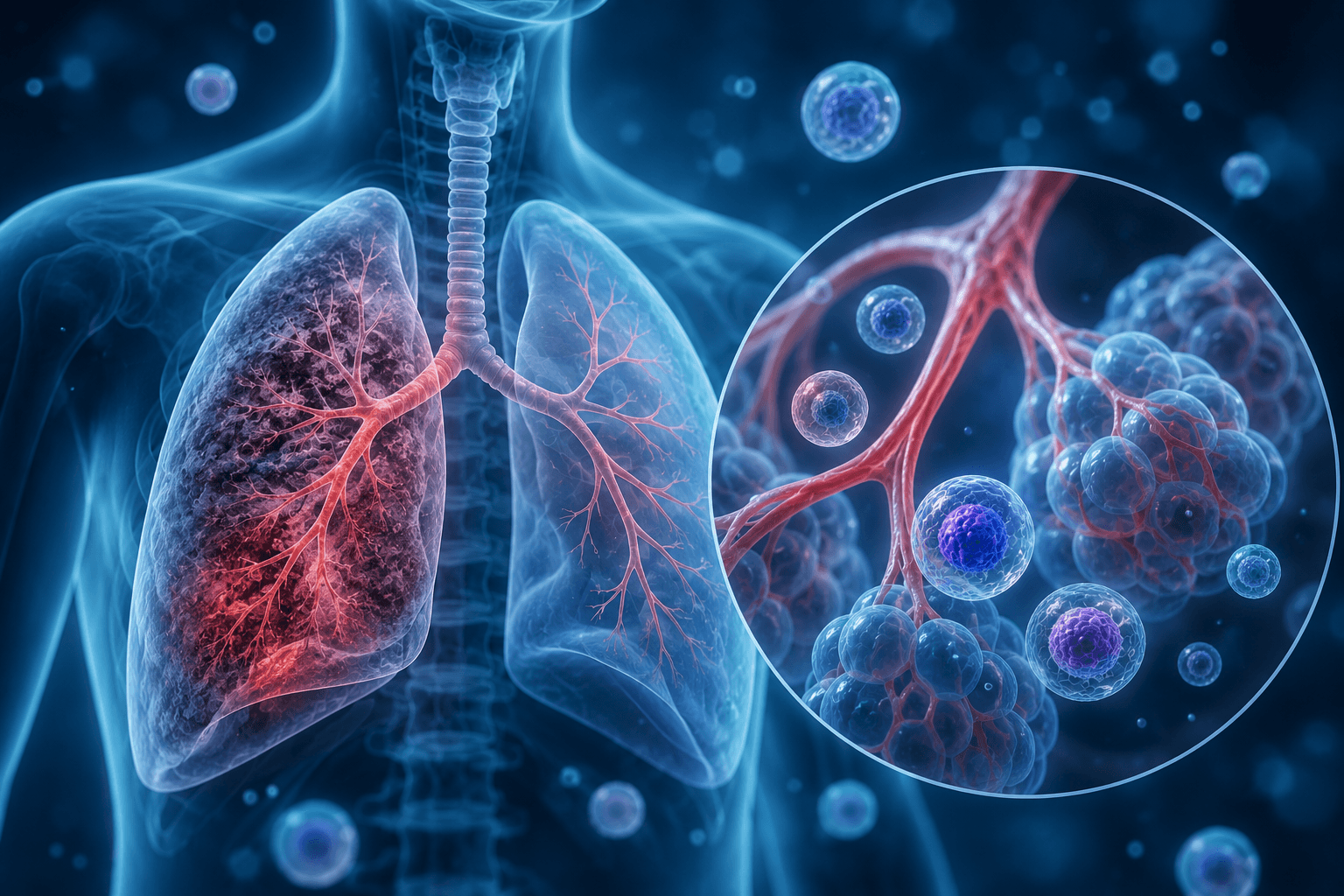
Chronic obstructive pulmonary disease, or COPD, is one of the most challenging long-term respiratory conditions because it affects the lungs in a gradual but often irreversible way. As the disease progresses, the airways become inflamed, the alveoli lose efficiency, mucus builds up more easily, and breathing becomes increasingly difficult. Many patients live with shortness of breath, chronic cough, chest tightness, reduced exercise tolerance, and repeated flare-ups that interfere with daily life. Standard treatments can improve symptoms and help slow progression, but they usually cannot undo the structural damage already present in the lungs. That limitation is one reason regenerative medicine has become such an important area of interest for patients who are looking beyond conventional care.
For individuals exploring advanced treatment pathways, stem cell therapy Turkey has become a frequently searched option because it combines modern medical infrastructure, international patient support, and personalized consultation. At Stemcell Consultancy, the focus is on helping patients better understand whether regenerative medicine may fit their condition, their health history, and their long-term goals. COPD is a complex disease, and any discussion about stem cells must be grounded in realistic expectations, medical evaluation, and careful planning.
Why COPD Is So Difficult to Treat
COPD is not a single disease but a group of chronic lung disorders that mainly includes chronic bronchitis and emphysema. In chronic bronchitis, the airways remain inflamed and produce excess mucus, which narrows airflow and makes breathing harder. In emphysema, the delicate air sacs in the lungs are damaged and stretched out, reducing the lungs’ ability to exchange oxygen efficiently. In many patients, both processes happen at the same time, which makes the disease even more complicated.
One of the main reasons COPD is so difficult to treat is that the damage accumulates slowly over time. By the time symptoms become severe enough to seek medical help, the lungs may already have undergone significant structural change. Smoking, air pollution, occupational exposure, genetic risk factors, and chronic inflammation all contribute to the disease process. This is why patients and clinicians alike continue to search for better ways to support the lungs, preserve function, and potentially improve the body’s repair response.
What Stem Cells Might Offer in COPD
Stem cells are unique because they can develop into different cell types and release biologically active molecules that influence surrounding tissues. In the context of COPD, researchers are not only interested in whether stem cells can replace damaged lung cells, but also whether they can help create a healthier environment for repair. That includes the possibility of lowering inflammation, reducing harmful immune responses, protecting remaining lung tissue, and supporting the natural healing process.
Although stem cell therapy is not currently considered a cure for COPD, the scientific interest surrounding it continues to grow. Studies have explored whether stem cells may help modulate inflammatory pathways, preserve lung structures, and improve certain markers related to respiratory health. Some research also focuses on the possibility that stem cell-based treatments may support patients who have not responded well to conventional therapies. This area remains under active investigation, which is why clear guidance from experienced providers is so important.
Patients who want to understand how stem cell medicine is being applied across different conditions often begin with Stem Cell Therapy as a broader reference point before exploring disease-specific applications.
The Role of Inflammation in Lung Damage
Inflammation is one of the central drivers of COPD progression. Repeated exposure to irritants such as cigarette smoke can trigger ongoing inflammatory activity in the airways and lung tissue. Over time, this can damage the lining of the airways, increase mucus production, reduce elasticity, and impair normal breathing. Even after the initial trigger has been removed, such as smoking cessation, the inflammatory process may continue to affect the lungs for years.
Because inflammation plays such a major role in COPD, stem cell therapy has attracted attention as a possible supportive strategy. Researchers are studying whether stem cells can help regulate immune activity and reduce the level of chronic inflammation that contributes to tissue damage. If this effect can be demonstrated more consistently in future studies, stem cells may eventually become part of a broader approach to preserving lung function and supporting repair.
What Current Research Says
Research into stem cells and COPD has been promising, but it is still developing. Preclinical studies in laboratories and animal models have suggested that stem cells may reduce inflammatory markers, protect lung cells from ongoing injury, and support tissue repair mechanisms. Early-stage human studies have also looked at safety, tolerability, and possible clinical benefit, though outcomes vary and no universal treatment protocol has been established.
The medical community continues to approach this field with caution because COPD is a highly variable condition. A person with mild airflow limitation may respond differently from someone with advanced emphysema and long-term oxygen dependence. Smoking history, age, disease stage, cardiovascular health, and other medical problems all influence whether a regenerative approach could even be considered. Stem cell therapy should therefore be seen as an emerging and carefully studied area, not a guaranteed solution.
Who May Be Evaluated for Stem Cell Therapy?
Not every patient with COPD will be a candidate for regenerative treatment. A thorough evaluation is necessary to determine whether stem cell therapy may be appropriate, potentially helpful, or medically unsuitable. Doctors usually review lung function tests, chest imaging, symptom history, smoking status, medication use, oxygen needs, and overall physical condition before making any recommendation.
Patients with stable disease, moderate functional limitation, or a strong interest in exploring advanced options may be considered for consultation. However, advanced scarring, repeated exacerbations, unstable heart disease, or other significant health complications may affect eligibility. The timing of treatment is also important because earlier-stage lung damage may respond differently from severe chronic destruction.
For patients who are considering a broader regenerative strategy, the team at Stemcell Consultancy often helps them explore the full range of available services through structured medical guidance and individualized planning. In many cases, this is where a free consultation can be useful for understanding whether the next step should be further evaluation, additional testing, or a different treatment discussion altogether.
How a Responsible Clinic Should Approach COPD
Any clinic discussing stem cell therapy for COPD should be honest about the current state of science. Patients need a clear explanation of what is known, what is still uncertain, what the treatment is intended to do, and what it cannot do. Responsible providers should never promise that stem cells will cure COPD, reverse all lung damage, or replace conventional respiratory care. Instead, the conversation should focus on realistic goals, careful patient selection, and the possibility of supportive benefit within a broader care plan.
At Stemcell Consultancy, patient education is a major part of the process. Many people begin with questions about whether regenerative medicine can improve their breathing, reduce inflammation, or slow deterioration. A serious consultation should answer those questions in a straightforward way, with a focus on medical facts rather than marketing language. That kind of communication is especially important for chronic diseases such as COPD, where patients deserve clarity before making decisions.
What a Treatment Pathway May Look Like
The process usually begins with a detailed review of the patient’s medical history and current respiratory status. Diagnostic tests may be requested to understand how much lung function remains, how advanced the disease is, and whether there are other health concerns that should be considered first. If regenerative treatment is being explored, the clinic may then determine whether the patient should undergo additional evaluation, whether rehabilitation support is needed, or whether another strategy would be more appropriate.
In a well-organized treatment journey, this type of planning is not rushed. Patients benefit most when they are given time to review their options, ask questions, and understand the likely role of stem cells in their overall care. This is one of the reasons many international patients are drawn to specialized providers that combine medical expertise with personalized support.
Why Patients Choose Stemcell Consultancy in Turkey
Turkey has become a well-known destination for international patients seeking advanced medical services, including regenerative medicine. The combination of modern hospitals, experienced physicians, and strong patient support infrastructure has made the country attractive for people looking for coordinated care. Stemcell Consultancy works within that environment by helping patients navigate treatment options with a focus on clarity, safety, and individualized planning.
For many people, the appeal is not just the procedure itself but the support system around it. International patients often want help understanding timing, travel coordination, treatment expectations, and follow-up planning. That is why services such as Stemcell Consultancy can be valuable, especially for patients who want to explore a structured and professionally guided approach to lung-related regenerative medicine in Turkey.
Potential Areas of Benefit That Researchers Continue to Study
| Area of Interest | Why Researchers Study It |
|---|---|
| Inflammation control | Because chronic inflammation drives much of COPD progression |
| Lung tissue support | To determine whether damaged structures can be better preserved |
| Immune regulation | To see whether harmful immune activity can be moderated |
| Repair signaling | To understand whether stem cells improve the healing environment |
| Quality of life | To explore whether respiratory function and daily activity may improve |
These areas do not represent guaranteed treatment effects, but they do reflect the reasons stem cell research continues to attract attention in COPD care. Patients often want to know whether even a modest improvement in lung function, inflammation, or exercise tolerance might be possible. That interest is exactly why the field remains so active.
How COPD Differs from Other Lung Conditions in Regenerative Medicine
COPD is often compared with other respiratory disorders, but it presents unique challenges because it is progressive, inflammatory, and strongly influenced by long-term exposure and lifestyle factors. Unlike some acute lung injuries that may have a clearer recovery window, COPD develops over years and can leave behind lasting tissue changes. This makes the search for regenerative solutions especially important, but also especially complex.
Stem cells are being studied across many organ systems, yet lung disease requires careful attention because breathing is fundamental to overall health. This is why a thoughtful, specialist-driven approach matters. The goal is not to oversell a therapy but to identify whether there is a meaningful role for it within a complete pulmonary care strategy.
Questions Patients Often Ask
Can stem cells cure COPD?
At this time, stem cells are not considered a cure for COPD. Research is ongoing to determine whether they may help support lung repair, reduce inflammation, and improve certain outcomes.
Who might be a candidate for evaluation?
Patients with COPD who are medically stable and interested in regenerative options may be evaluated, but candidacy depends on disease stage, lung function, and overall health.
Is stem cell therapy safe for lung disease?
Safety depends on the treatment protocol, the patient’s medical condition, and the standards of the clinic. Any treatment should be assessed by qualified professionals.
Why do patients come to Turkey for this type of care?
Patients often choose Turkey for its medical infrastructure, international patient services, and access to specialized consultation through providers such as Stemcell Consultancy.
What to Expect from a Serious Consultation
A proper consultation should feel thorough, calm, and informative. Patients should be able to discuss their symptoms, review their test results, ask about treatment limitations, and understand whether stem cell therapy is even worth considering. It should not feel rushed or promotional. A careful consultation is the best sign that the clinic is focused on medical decision-making rather than hype.
When patients speak with Stemcell Consultancy, they can expect a process that aims to match their concerns with the right medical guidance. For some people, that may mean further respiratory evaluation. For others, it may mean learning that conventional pulmonary care remains the most appropriate path. Either way, informed decision-making is always the goal.
What This Means for Patients Living with COPD
COPD remains a serious chronic condition, and standard treatments continue to play a critical role in helping patients manage symptoms, preserve function, and improve quality of life. At the same time, stem cell therapy represents an important frontier in regenerative medicine because it offers the possibility of supporting repair rather than simply controlling damage. That is why the question of whether stem cells can help repair lung damage in COPD continues to matter so much.
For patients who want to explore advanced options, the most practical first step is a careful medical consultation with a team that understands both the promise and the limits of regenerative treatment. Stemcell Consultancy provides that kind of patient-focused support, helping individuals evaluate whether the next step should be further testing, treatment planning, or continued standard care. In a disease as complex as COPD, clarity and medical guidance are just as important as innovation.
Latest Posts

Share
Quick Question