
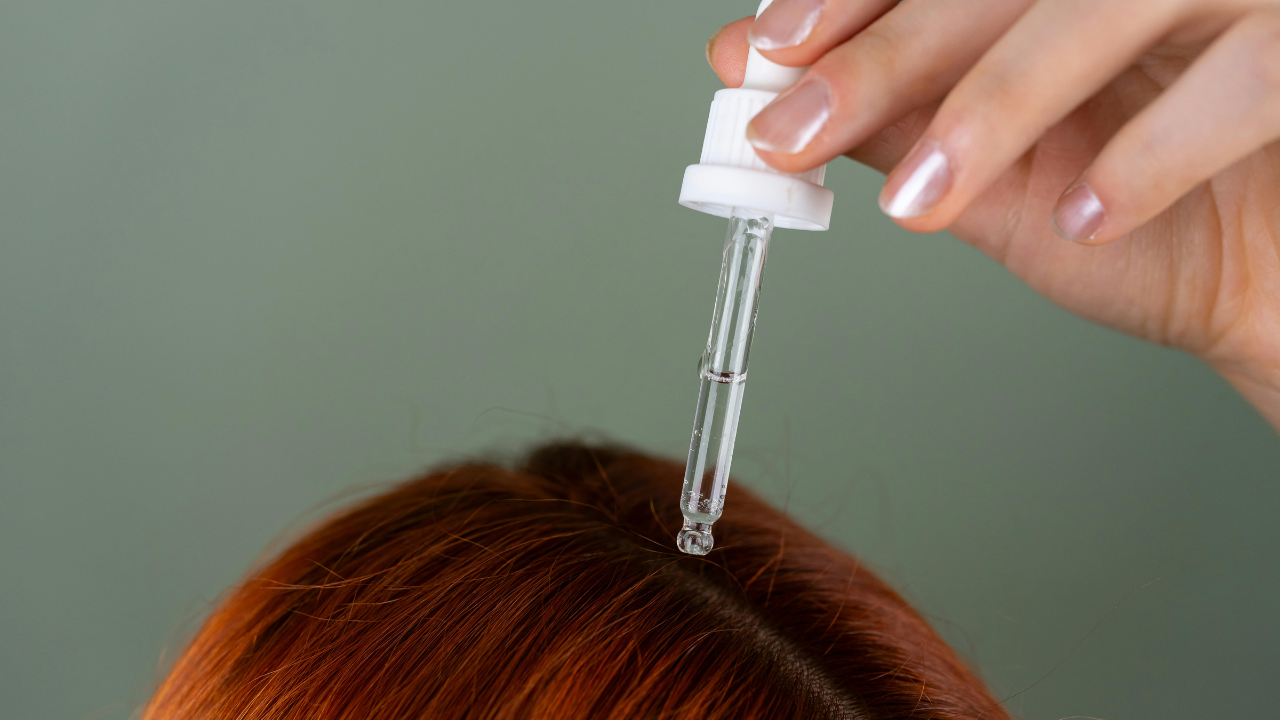
Understanding Hair Loss and Its Causes
Hair loss is a widespread condition that affects men and women across all age groups and ethnicities. It may present as gradual thinning, receding hairline, patchy hair loss, or diffuse shedding depending on the underlying cause. While some degree of daily hair shedding is considered normal, persistent or accelerating hair loss can indicate an underlying condition that warrants medical attention.
Common causes of hair loss include androgenetic alopecia (genetic pattern baldness), alopecia areata, telogen effluvium triggered by stress or illness, hormonal changes, nutritional deficiencies, autoimmune activity, scalp inflammation, and damage caused by prolonged traction or chemical exposure. Because the cause significantly influences the treatment approach, a thorough medical evaluation is important before selecting any restoration plan.
The Impact of Hair Loss on Quality of Life
Hair loss can carry a significant emotional and psychological burden. For many patients, changes in hair density or appearance affect self-confidence, social comfort, and overall sense of well-being. The impact is not limited to aesthetics — persistent hair loss may cause ongoing anxiety, avoidance of social situations, and reduced quality of life in both men and women.
Patients often explore multiple options before finding an approach that suits their condition, lifestyle, and expectations. Understanding the biological basis of hair loss and the available supportive options is an important first step toward making an informed and realistic treatment decision.
For related regenerative aesthetics and healthy-aging options, readers may also review Stem Cell Treatment for Facelift and Anti-Aging Stem Cell Treatments.
How Stem Cell Treatment May Support Hair Restoration
Hair follicles are complex biological structures supported by specialized stem cells known as hair follicle stem cells, which reside in a region called the bulge area. These cells play a central role in the hair growth cycle by activating follicle regeneration and supporting the transition between growth phases. When follicle stem cell activity declines — due to aging, inflammation, hormonal influence, or tissue damage — hair growth may slow, weaken, or stop.
Regenerative stem cell treatment for hair restoration aims to support the scalp’s biological environment by introducing growth factors, anti-inflammatory signals, and bioactive molecules that may reactivate dormant follicles, reduce scalp inflammation, and improve local tissue conditions. This approach may be considered for suitable patients as a complementary strategy alongside conventional hair loss management.
Potential Supportive Effects of Stem Cell Treatment
Follicle Microenvironment Support: Stem cell-derived growth factors may help improve the biological conditions surrounding hair follicles, potentially supporting follicle activity in areas where hair growth has slowed or weakened.
Scalp Inflammation Reduction: Inflammatory processes in the scalp can contribute to follicle miniaturization and hair loss. Regenerative treatment may help modulate local inflammatory responses and create a more favorable scalp environment.
Tissue Vascularization Support: Adequate blood supply is essential for healthy follicle function. Stem cell therapy may support the improvement of local microcirculation and nutrient delivery to the scalp tissue.
Dormant Follicle Activation: In some patients, hair follicles may be dormant rather than permanently lost. Regenerative signals released by stem cells may help reactivate these follicles under appropriate biological conditions.
Scalp Tissue Quality: Beyond follicle support, stem cell treatment may contribute to improvements in overall scalp tissue health, elasticity, and cellular renewal over time.
When Stem Cell Hair Restoration May Be Considered
Stem cell treatment for hair restoration may be evaluated when hair loss becomes persistent, progressive, or unresponsive to conventional approaches. The decision should always follow a proper diagnosis that identifies the type and cause of hair loss.
Androgenetic Alopecia: Patients experiencing pattern hair loss who have had limited results with topical or oral treatments may be assessed for regenerative options as a complementary approach.
Diffuse Hair Thinning: Patients with generalized thinning across the scalp rather than defined bald patches may benefit from an evaluation to determine whether follicle support through regenerative therapy is appropriate.
Post-Inflammatory or Post-Traumatic Hair Loss: Hair loss following scalp inflammation, injury, or medical treatment may leave the follicular environment compromised. Stem cell therapy may be considered to support tissue recovery in these cases.
Limited Response to Standard Treatments: Patients who have used minoxidil, finasteride, platelet-rich plasma therapy, or other standard interventions without satisfactory results may wish to explore whether regenerative stem cell treatment is a suitable next step.
Preparation or Support for Hair Transplant: Some patients may consider stem cell treatment before or after a hair transplant procedure to support scalp tissue health and improve the overall conditions for graft survival and recovery.
Who May Be a Suitable Candidate?
Suitability for stem cell hair restoration depends on the type of hair loss, degree of follicle damage, scalp condition, overall health, age, and previous treatment history. Patients with active scalp infection, uncontrolled systemic disease, certain autoimmune conditions in active flare, or completely scarred follicles may not be suitable candidates until their condition has been further assessed and stabilized.
A detailed consultation and medical review are necessary to determine whether regenerative treatment may offer meaningful support for each individual patient’s hair restoration goals.
Personalized Treatment Planning
Hair loss is not a one-size-fits-all condition, and treatment planning must reflect the unique characteristics of each patient’s scalp health, follicle condition, and hair loss pattern.
Scalp and Hair Assessment: The patient’s hair loss pattern, scalp condition, follicle density, previous treatments, hormonal profile, and medical history are reviewed to build a clear clinical picture before any recommendations are made.
Cause Identification: Since treatment effectiveness depends on addressing the correct underlying cause, identifying whether hair loss is hormonal, inflammatory, nutritional, autoimmune, or structural is an essential part of planning.
Treatment Design: If the patient is suitable, the regenerative approach is planned according to the area of concern, follicle condition, scalp tissue needs, and overall health profile.
Aftercare and Follow-Up: Post-treatment support includes follow-up evaluations, scalp care guidance, nutritional recommendations, and lifestyle advice to help maintain and build upon treatment results over time.
Stem Cell Treatment and Conventional Hair Loss Care
Stem cell treatment for hair restoration is intended to complement, not replace, standard hair loss management strategies. Depending on the cause and severity of hair loss, patients may continue to benefit from dermatological care, hormonal treatment, nutritional supplementation, topical therapies, or other established interventions alongside regenerative treatment.
Patients are encouraged to maintain open communication with their existing dermatologist or trichologist and to inform their medical team of any ongoing treatments before beginning a regenerative programme. A coordinated approach is always preferable to isolated interventions.
Why Choose Stemcell Consultancy?
Stemcell Consultancy offers personalized guidance for patients exploring regenerative options for hair restoration. Each case is reviewed individually to assess whether stem cell treatment may be a suitable and beneficial part of the patient’s hair loss management plan.
Individualized Assessment: No two cases of hair loss are identical. Recommendations are based on a detailed review of each patient’s scalp condition, hair loss history, previous treatments, and personal restoration goals.
Medical File Review: Previous treatment records, hormonal evaluations, scalp assessments, and diagnostic findings are reviewed before any treatment planning begins.
Honest and Realistic Guidance: Patients receive clear and balanced information about what stem cell treatment may realistically support, without exaggerated restoration promises or misleading outcome claims.
Integrated Care Approach: Regenerative treatment is recommended as part of a broader hair restoration strategy that may include dermatological care, nutritional support, and scalp health maintenance.
International Patient Coordination: Patients travelling from Europe, the Middle East, and other regions receive full support for consultation, logistics, treatment planning, and remote follow-up care.
Quick Answers About Stem Cell Treatment for Hair Restoration
What is stem cell treatment for hair restoration?
Stem cell treatment for hair restoration is a regenerative approach that uses growth factors and bioactive signals to support follicle health, reduce scalp inflammation, and improve the biological conditions for hair growth in suitable patients.
Is stem cell treatment the same as a hair transplant?
No. A hair transplant surgically relocates existing follicles to areas of thinning or baldness. Stem cell treatment is a non-surgical regenerative approach that aims to support the health and activity of existing follicles rather than physically moving them.
Can stem cell therapy regrow lost hair?
Stem cell therapy may support the reactivation of dormant follicles and improve scalp conditions for hair growth in selected patients. However, it is not a guaranteed hair regrowth solution and results depend on the type and stage of hair loss.
How many sessions are typically needed?
The number of sessions varies depending on the patient’s hair loss pattern, scalp condition, and treatment response. A personalized plan will be outlined following the initial medical evaluation.
Frequently Asked Questions
Is stem cell hair treatment suitable for both men and women?
Yes. Stem cell treatment for hair restoration may be considered for both men and women experiencing hair thinning or loss, provided they meet the medical suitability criteria assessed during consultation.
Does the treatment involve surgery?
Stem cell treatment for hair restoration is generally a non-surgical procedure. Depending on the protocol, it may involve scalp injections or infusion-based delivery methods, both of which are minimally invasive and performed under medical supervision.
How soon can results be expected?
Hair restoration is a gradual process. Some patients may begin to notice improvements in hair texture, scalp health, or early regrowth signs within a few months, while more visible changes may take longer depending on the individual’s follicle condition and biological response.
Can this treatment be combined with PRP therapy?
In some cases, stem cell treatment may be considered alongside platelet-rich plasma (PRP) therapy or other complementary approaches as part of a broader hair restoration plan. Suitability for combined protocols is assessed individually.
Are there any side effects?
Stem cell-based treatments have a generally favorable safety profile when performed under appropriate medical supervision. Minor temporary effects such as mild scalp sensitivity or redness at the application site may occasionally occur and typically resolve within a short period.
Are outcomes guaranteed?
No. Results cannot be guaranteed. Treatment response depends on the type of hair loss, follicle condition, scalp health, overall health status, and the patient’s adherence to aftercare and follow-up recommendations.
Conclusion
Stem cell treatment for hair restoration offers a scientifically grounded regenerative option for selected patients seeking to address hair thinning and follicle decline through biological support rather than surgical intervention. By targeting the scalp’s cellular environment, reducing inflammatory activity, and supporting follicle health, this approach may contribute to improved hair restoration outcomes as part of a personalized and medically guided plan.
At Stemcell Consultancy, every patient undergoes a thorough individual assessment to determine whether regenerative treatment is appropriate for their specific condition. If you are experiencing persistent hair loss and would like to explore whether stem cell treatment may support your restoration goals, a personalized consultation is the right first step.
Request a Personalized Consultation
Contact Stemcell Consultancy today to learn more about stem cell treatment for hair restoration and receive a personalized evaluation based on your scalp condition, hair loss history, and individual treatment goals.