
Anti-Aging Stem Cell Treatments
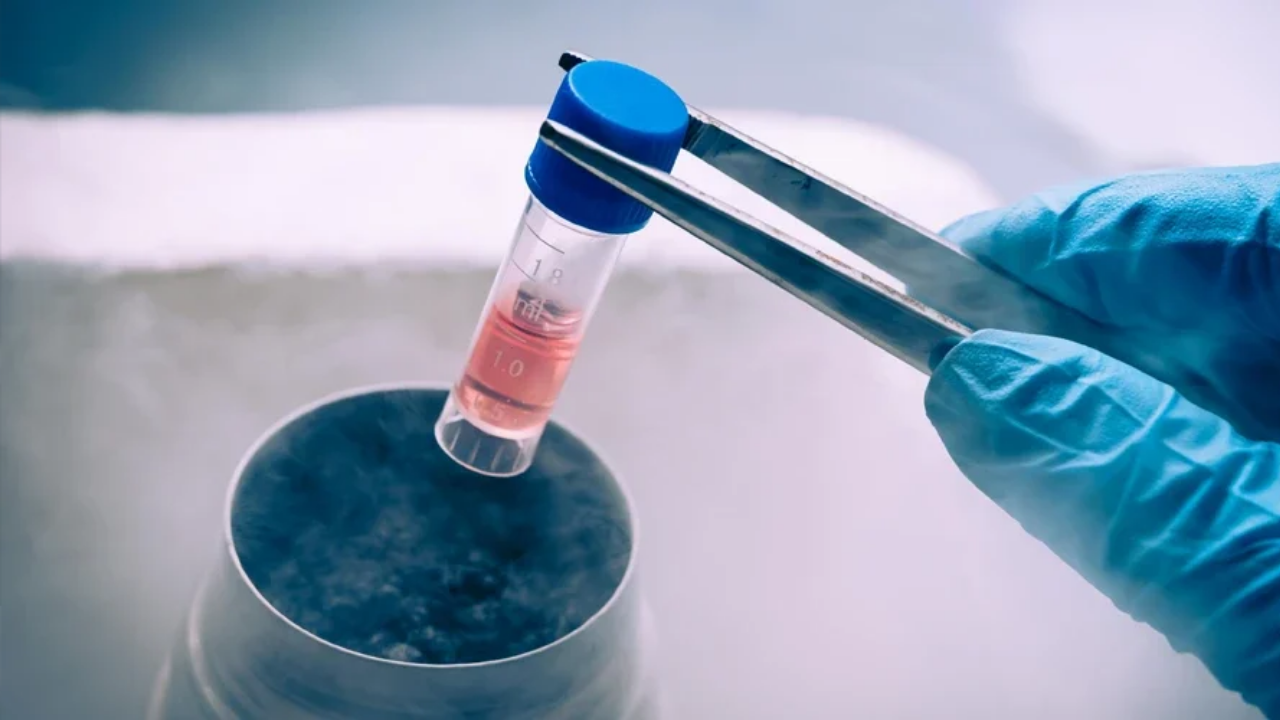
Anti-Aging Stem Cell Treatments
Rejuvenate your skin and boost your energy with stem cell and exosome-based anti-aging treatments. Slow down aging at the cellular level with Stemcell Consultancy.
The gradual loss of muscle mass that makes stairs harder. The low-grade inflammation — inflammaging — that persists in tissues and accelerates decline across every organ system. The accumulation of senescent cells: old, dysfunctional cells that have stopped dividing but haven't died, releasing inflammatory signals that damage their neighbors. The shrinking and exhaustion of the body's own stem cell reservoirs, which once maintained and repaired every tissue but grow depleted with each passing decade. The epigenetic drift that reprograms gene expression away from youthful patterns. The shortening telomeres that mark cellular age like a biological clock.
Each of these processes is measurable. Each is a target. And each is, in theory, addressable.
Anti-aging stem cell therapy sits at the intersection of the most exciting and the most overhyped territory in modern medicine. There are clinics selling promises with no evidence, and there are serious academic research programs producing Phase 2 and Phase 3 clinical trial data that would stand up in any peer review. The distance between them is enormous — and knowing which is which matters enormously for anyone considering treatment.
This article covers what the science actually shows, what the most rigorous current clinical evidence supports, and what the realistic promise of cellular rejuvenation looks like in 2025.
For related regenerative aesthetics and healthy-aging options, readers may also review Stem Cell Treatment for Facelift and Stem Cell Treatment for Hair Restoration.
The Biology of Aging: What Stem Cell Therapy Is Targeting
The field of longevity biology has identified a set of overlapping "hallmarks of aging" — cellular and molecular processes that drive age-related decline. Stem cell therapy engages several of these hallmarks directly.
Stem cell exhaustion
Every tissue in the body is maintained by a resident population of tissue-specific stem cells. Muscle satellite cells repair damaged muscle fibers. Intestinal stem cells renew the gut epithelium. Hematopoietic stem cells produce blood cells. With aging, these populations decline in number, lose potency, and become increasingly senescent. The result is impaired tissue maintenance and repair — the biological substrate of frailty, slow wound healing, sarcopenia, and systemic vulnerability.
Introducing exogenous MSCs does not replace tissue-specific stem cell populations directly, but it creates a more favorable systemic environment — through anti-inflammatory signaling, growth factor secretion, and immunomodulation — that supports the activity of the body's own remaining repair cells.
Chronic inflammation (inflammaging)
Sustained low-grade systemic inflammation is one of the most consistent and consequential features of biological aging. It drives cardiovascular disease, neurodegeneration, metabolic dysfunction, immune senescence, and accelerates most age-related pathology. Key markers include elevated TNF-α, IL-6, CRP, and IL-1β.
MSCs are potent immunomodulators. They suppress pro-inflammatory cytokine production, shift macrophage populations from inflammatory to reparative phenotypes, and reduce the chronic immune activation that characterizes aging. In clinical trials, intravenous MSC infusion produces measurable reductions in TNF-α and other inflammatory markers — directly addressing one of aging's most consequential drivers.
Cellular senescence
Senescent cells accumulate with age in every tissue — damaged cells that have exited the cell cycle but remain metabolically active, secreting a pro-inflammatory cocktail called the SASP (senescence-associated secretory phenotype). The SASP propagates senescence to neighboring cells, perpetuates tissue inflammation, and impairs the function of surrounding healthy cells.
MSCs modulate the senescent cell environment through immunological clearance mechanisms and paracrine signaling that reduces SASP propagation. Emerging work with senolytics (drugs that selectively clear senescent cells) suggests that combining cellular and pharmaceutical senolytic approaches may produce additive rejuvenation effects.
Epigenetic aging
Biological age — measurable through DNA methylation patterns (epigenetic clocks such as Horvath's clock, GrimAge) — often differs meaningfully from chronological age, and divergence toward an older biological age predicts mortality and age-related disease risk. Preliminary evidence from MSC-derived extracellular vesicle (EV) studies suggests that these interventions can produce measurable reductions in epigenetic age — one of the most exciting and earliest areas of mechanistic evidence in cellular rejuvenation.
Frailty: The Most Clinically Advanced Anti-Aging Indication
The most scientifically rigorous application of stem cell therapy in the anti-aging domain is the treatment of age-related frailty — a recognized clinical syndrome defined by reduced physiological reserve, diminished resilience to stressors, and increased vulnerability to adverse health outcomes. Frailty affects 12–24% of adults over 65 and is a major predictor of falls, hospitalization, cognitive decline, and mortality.
Currently, there is no approved pharmacological treatment for frailty. Resistance exercise, nutritional support, and polypharmacy optimization are the available tools. Stem cell therapy is the first biologically targeted intervention to demonstrate benefit in a randomized controlled trial setting.
Laromestrocel (LOMECEL-B) — Phase 2b Results Published in Cell Stem Cell, February 2026
Laromestrocel is an allogeneic MSC therapy developed by Longeveron Inc., derived from the bone marrow of healthy young adult donors. It is the most clinically advanced stem cell therapy specifically targeted at age-related frailty.
The Phase 2b randomized, dose-escalation clinical trial — published in Cell Stem Cell (a Cell Press journal) on February 25, 2026, following completion of enrollment and nine months of follow-up — demonstrated that a single intravenous dose of laromestrocel significantly improved the physical condition of older adults with age-related frailty compared to placebo.
Key findings: - 30.8% of treated patients improved to a non-frail status — an outcome that represents not simply symptom management but reversal of the frailty diagnosis itself - Significant improvements in physical function, mobility, and strength compared to placebo - The study identified the optimal dose for a Phase 3 registrational trial
Dr. Joshua Hare, MD (University of Miami Miller School of Medicine, lead investigator): "We are highly encouraged by these Phase 2b results that demonstrate the potential of stem cell therapy to improve the condition of patients with aging-related frailty."
This Phase 2b follows a trajectory of evidence built across Phase 1 and Phase 2a studies at the University of Miami:
The Phase 2a trial (published in Journals of Gerontology, 2017) was a double-blind, placebo-controlled study of allogeneic hMSCs in older adults with frailty. Results showed improvements in functional capacity (six-minute walk distance), reduction in inflammatory markers (TNF-α), and improved quality of life. The Phase 1 CRATUS study in patients with average age 78.4 years established safety across doses of 20, 100, and 200 million MSCs, with no serious adverse events and consistent improvements in walk distance and respiratory function.
Systemic Rejuvenation: Multi-Organ Effects of MSC Therapy
What makes anti-aging MSC therapy conceptually different from most disease treatments is its mechanism: rather than targeting a single organ or pathway, MSCs act systemically — through the bloodstream, through paracrine signaling, through immunomodulation — producing effects across multiple organ systems simultaneously.
Published evidence and ongoing clinical investigation support benefits across:
Immune system rejuvenation
Age-related immune dysfunction — immunosenescence — impairs both innate and adaptive immunity, increasing susceptibility to infection and reducing vaccine response. MSCs modulate aging immune compartments, suppressing chronic inflammation while potentially restoring appropriate immune responsiveness. Reduction in TNF-α and systemic inflammatory markers is consistently documented across frailty and aging trials.
Cardiovascular improvement
Vascular endothelial dysfunction is an early and consequential feature of aging. MSCs secrete VEGF, HGF, and other angiogenic and vasoprotective factors that improve endothelial function, reduce arterial stiffness, and support microvascular health. The cardiovascular benefits of MSC therapy in heart failure and angina research translate to a broader context of vascular aging.
Metabolic function
MSCs influence insulin sensitivity, adipose tissue remodeling, and mitochondrial function through paracrine mechanisms. Aging-related metabolic decline — reduced insulin sensitivity, altered body composition, decreased mitochondrial biogenesis — is partially addressable through the metabolic reprogramming signals in the MSC secretome.
Cognitive function
A related Longeveron clinical program — a Phase 2a randomized controlled trial of laromestrocel in mild Alzheimer's disease, published in 2025 — found cognitive benefits in MSC-treated patients. The neuroinflammation-reducing properties of MSCs are hypothesized to underlie these effects, linking the anti-aging systemic mechanism to neurodegenerative disease prevention.
Skin and tissue quality
At the tissue level, MSC-derived exosomes have been investigated for their ability to promote collagen and elastin synthesis in photoaged skin, reduce dermal senescent cell burden, and improve skin hydration and elasticity. Early clinical studies document improvements in skin quality markers following exosome and MSC-derived product application — an area where consumer-facing applications are rapidly advancing alongside the clinical evidence.
MSC-Derived Exosomes: The Cell-Free Frontier
A significant and growing dimension of anti-aging regenerative therapy is MSC-derived extracellular vesicles (EVs) and exosomes — nanoscale particles that carry the bioactive cargo of MSCs (growth factors, microRNAs, signaling proteins) without containing living cells.
Exosome therapy offers several practical advantages in the anti-aging context: standardizable preparations, stability during storage, no requirement for immunosuppression, and the ability to cross biological barriers (including the blood-brain barrier) that intact cells cannot.
Preclinical evidence is compelling: in aged mice, MSC-derived exosomes extended lifespan, prevented frailty, and improved healthspan in multiple organ systems. Epigenetic clock studies found that MSC-derived EV administration reversed biological age in treated animals. Human clinical trials specifically for anti-aging indications are at early phase; the evidence from disease-indication trials (heart failure, stroke, COPD) provides strong biological plausibility for systemic rejuvenative effects.
What Anti-Aging Stem Cell Therapy Actually Looks Like
For patients considering cellular anti-aging treatment within a responsible clinical framework, the process typically involves:
Comprehensive biological age assessment
Beyond chronological age, a baseline workup that includes inflammatory biomarkers (CRP, IL-6, TNF-α), metabolic panels, cardiovascular functional measures, grip strength and walking speed (functional frailty assessment), cognitive screening, and where available, epigenetic age testing. This establishes the starting point and the targets for monitoring improvement.
Cell selection
Allogeneic UC-MSCs (umbilical cord-derived) are the most commonly used cell type in current anti-aging protocols — offering high potency from young donor cells, off-the-shelf availability, and a well-characterized safety profile. Autologous adipose-derived MSCs (from the patient's own fat tissue) are used in some programs, with the advantage of zero immune rejection risk. The CATO trial (ischemic cardiomyopathy) and the Longeveron frailty program both use allogeneic approaches.
Administration
Intravenous infusion — typically 100–200 million cells per session — administered in a clinical setting with monitoring. The procedure itself takes several hours. No surgery is required.
Protocol frequency
Single-infusion protocols are used in most clinical trial designs. Some programs use repeated infusions at intervals of three to six months. The CATO trial specifically investigates whether four doses outperform a single dose — a key protocol optimization question that will yield important data by 2027.
Follow-up monitoring
Repeat assessment of inflammatory markers, functional capacity measures, and quality of life surveys at 3, 6, and 12 months tracks the biological and clinical response.
The Honest Limits of the Field
Anti-aging stem cell therapy is an area where the gap between legitimate clinical evidence and commercial overstatement is, frankly, wider than in any other application covered in this series. Some points of honesty are essential:
What is supported by evidence: Improvements in frailty, functional capacity, inflammatory markers, and quality of life in clinical trial populations of older adults — documented across Phase 1, 2a, and now Phase 2b trials. Biological plausibility for multi-system rejuvenative effects, supported by preclinical data and extrapolation from disease-indication trials.
What is not yet established: Whether MSC therapy meaningfully extends human lifespan. Whether the effects seen at 9–12 months of follow-up are maintained at 3–5 years. Whether epigenetic age reversal observed in animals translates to humans at clinically meaningful scale.
What should raise concern: Any program claiming guaranteed results, permanent youth restoration, cure of all age-related conditions, or scientific certainty that does not yet exist. Unregulated clinics administering uncharacterized cell products without clinical trial oversight.
The patients who benefit most from current anti-aging cellular therapy are those with measurable markers of accelerated biological aging — elevated inflammatory markers, functional frailty, early-stage cognitive or cardiovascular decline — rather than healthy adults seeking cosmetic youth. The earlier and the more targeted the intervention, the more biologically sound the rationale.
Frequently Asked Questions
At what age should someone consider anti-aging stem cell therapy? Current clinical trial evidence focuses on adults aged 60 and above, particularly those showing measurable functional decline or frailty. In principle, the biological rationale supports intervention at any age where signs of accelerated aging are measurable — but the evidence base currently centers on the older adult population.
How is this different from PRP or aesthetic "anti-aging" treatments? PRP involves growth factors from the patient's own blood and has localized tissue effects — it is not a systemic anti-aging intervention. Aesthetic treatments address surface-level appearance changes. MSC therapy acts systemically, addressing the underlying biological drivers of aging — inflammation, immune dysfunction, stem cell exhaustion — rather than their cosmetic manifestations.
Is a single infusion sufficient, or are repeated treatments needed? Phase 2b trial evidence is based on a single IV infusion. The CATO trial, delivering IV MSCs for ischemic cardiomyopathy, is directly comparing single versus four-dose protocols — with results expected by 2027. Until that data is available, the optimal dosing frequency for anti-aging applications remains an open and actively studied question.
Can this be combined with other longevity interventions? In principle, yes. MSC therapy addresses biological aging mechanisms that are distinct from those targeted by interventions like metformin, rapamycin, senolytic drugs, and lifestyle optimization. Combination approaches are increasingly being studied in the longevity medicine field, with the logic that addressing multiple aging hallmarks simultaneously may produce greater benefit than any single intervention.
How do I know if a clinic is offering evidence-based treatment? Look for published clinical trial data in peer-reviewed journals, institutional affiliations with academic medical centers, transparent disclosure of cell source and manufacturing standards, and absence of guaranteed outcome claims. Programs operating within registered clinical trial frameworks provide the highest level of evidence and oversight. Our team can assist in evaluating any program you are considering.
The Science of Not Getting Old
For most of human history, aging was accepted as inevitable — the biological clock running in only one direction. That assumption is now under serious and systematic challenge.
The laromestrocel Phase 2b data published in Cell Stem Cell in February 2026 — showing that almost a third of treated frailty patients reverted to non-frail status after a single infusion — is not a headline from a longevity podcast or a wellness brand. It is a peer-reviewed, double-blind, placebo-controlled clinical trial published in one of the world's most rigorous biomedical journals.
The field is early. The definitive Phase 3 data does not yet exist. The questions about durability, optimal protocols, and which biomarkers best predict response are all still being answered.
But the direction of travel is clearer than it has ever been. And for the first time, "treating aging" is a phrase that can be said in the context of peer-reviewed evidence rather than aspirational science.
Contact our team to discuss your health profile, biological age markers, and whether anti-aging cellular therapy is appropriate for your situation.
This article is for informational purposes only and does not constitute medical advice. Anti-aging and longevity interventions should be discussed with qualified medical professionals.
Quick Question