
Rotator Cuff Stem Cell Therapy Cost
14
Jun
Rotator Cuff Stem Cell Therapy Cost
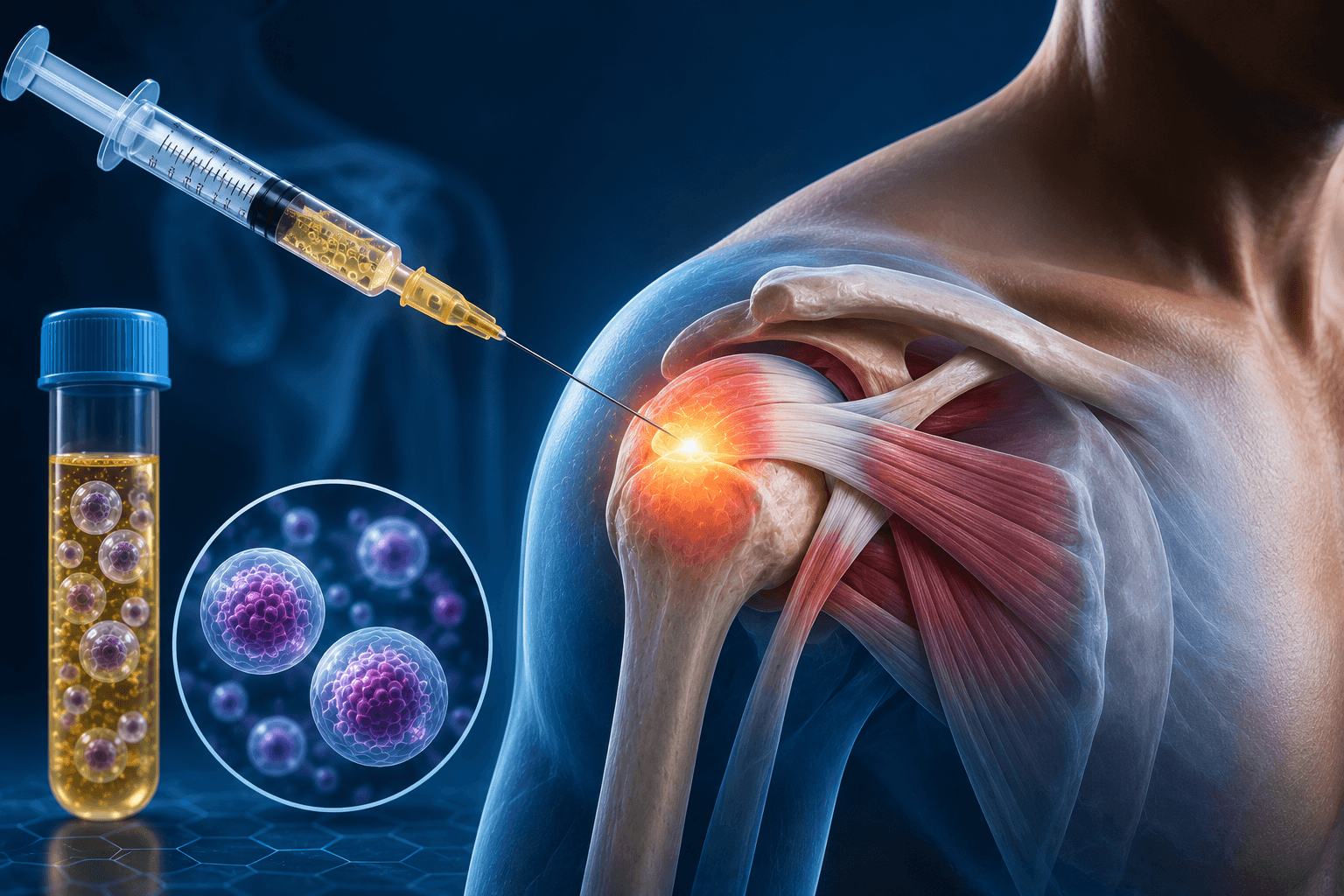
Rotator cuff injuries can make even simple shoulder movements painful and frustrating. Reaching overhead, lifting groceries, dressing, sleeping on the affected side, or returning to sports can become difficult when the tendons and surrounding soft tissues in the shoulder are inflamed or damaged. For many patients, stem cell therapy becomes an appealing regenerative medicine option because it may support tissue repair, reduce inflammation, and help the shoulder regain function without immediately moving toward surgery. Naturally, one of the first questions patients ask is how much treatment costs and what influences the final price. That is where the topic of rotator cuff stem cell therapy cost becomes especially important.
The answer is not identical for every patient because shoulder conditions vary widely in severity, timing, and tissue damage. A mild overuse injury is not the same as a partial tear, and a long-standing degenerative rotator cuff problem is not the same as a recent sports injury. The type of regenerative protocol, the diagnostic workup, the clinic’s standards, and whether follow-up care is included can all influence the final cost. Patients who are exploring advanced treatment options often look at Türkiye'de kök hücre tedavisi because it combines medical expertise, international patient support, and a structured treatment environment that can be easier to navigate for those coming from abroad.
Rotator Cuff Injuries and Why They Are So Common
The rotator cuff is a group of muscles and tendons that stabilizes the shoulder joint and helps control arm movement. Because the shoulder has such a wide range of motion, the rotator cuff is under constant mechanical stress. Repetitive overhead activity, sports participation, work-related strain, age-related degeneration, and sudden trauma can all lead to pain and structural damage in this area. Some patients develop tendinitis or tendinopathy, while others experience partial tears, full-thickness tears, or chronic degeneration that affects mobility and strength.
What makes rotator cuff problems especially frustrating is that the shoulder often needs to function many times a day in ways we barely notice until pain begins. Simple tasks like washing hair, reaching a shelf, or putting on a jacket can become difficult. When conservative treatment does not provide enough relief, many patients start exploring regenerative medicine options. In this context, understanding the cost of stem cell therapy is part of a larger decision about whether the treatment is medically suitable and financially realistic.
How Stem Cell Therapy Fits Into Shoulder Care
Stem cell therapy is a regenerative medicine approach designed to support the body’s natural repair mechanisms. In rotator cuff cases, the goal is not merely to mask pain but to influence the biological environment around the damaged tendon or soft tissue. Stem cells may help reduce inflammation, support tissue repair, and improve healing conditions in the shoulder. For some patients, this may be used as part of a broader orthopedic strategy that also includes physical therapy, activity modification, and continued medical monitoring.
Because the procedure is not one-size-fits-all, the cost can differ substantially from one patient to another. A patient with chronic tendon irritation may need a different plan than someone with a partial tear or a combined shoulder problem involving more than one structure. That is why the discussion about pricing should always begin with a proper clinical assessment. Patients who want a broader understanding of available regenerative options can also review the clinic’s stem cell therapy page to see how these treatments are approached more generally.
Why Rotator Cuff Stem Cell Therapy Cost Can Vary
One of the biggest reasons patients receive different estimates is that shoulder injuries do not all require the same level of intervention. The extent of the injury matters, but so does the timeline. Early-stage inflammation is not treated the same way as long-term degeneration. A patient’s age, activity level, medical history, and previous treatment attempts also matter because they influence how the care plan is designed.
Another factor is the treatment model itself. Some clinics offer consultations, imaging reviews, procedure planning, and follow-up support as part of a bundled package. Others quote only the procedure. In some cases, patients may also need rehabilitation guidance after the treatment, which can add value to the overall plan. International patients should also consider whether airport transfers, translation services, or coordination support are included. These details may seem small, but they can make a major difference in the overall experience.
Clinical Factors That Influence the Final Price
| Factor | Why It Affects Cost |
|---|---|
| Type of shoulder injury | Tendinitis, partial tear, or degenerative damage may require different protocols |
| Imaging and diagnosis | MRI review and specialist consultation help define the treatment plan |
| Source and preparation of cells | Different regenerative approaches require different processing steps |
| Clinic expertise | Experienced teams and multidisciplinary care may influence pricing |
| Follow-up care | Rehabilitation and monitoring can be included in some plans |
| Patient support services | Travel help, scheduling, and language support may be bundled |
What Patients Usually Want to Know Before Deciding
Most patients want a simple answer to a complicated question: how much will this cost and is it worth it? The price matters, but patients also want to know what they receive in return. Does the cost include consultation? Is imaging part of the plan? Will the clinic review the shoulder condition in detail before recommending treatment? Are post-procedure instructions and follow-up included?
These questions are important because cost should not be looked at in isolation. A lower number may not be the better choice if the care is incomplete or poorly structured. Conversely, a more comprehensive package may offer better overall value if it includes the medical planning, aftercare, and coordination that a patient needs. This is especially true for shoulder injuries because recovery planning often matters as much as the procedure itself.
Why Turkey Has Become a Strong Option for Shoulder Regenerative Care
Turkey is now widely recognized as a destination for medical tourism, and regenerative medicine is one of the areas drawing strong international interest. Patients often choose Turkey because of the combination of medical quality, accessibility, and coordinated support. For those comparing treatment destinations, the cost of care may be more favorable than in some Western countries, while still offering a high standard of medical service.
This is one reason why stemcell therapy turkey remains such a popular search term. Stemcell Consultancy helps patients understand the treatment process in a more organized and transparent way, especially when they are trying to compare options from another country. In many cases, the appeal is not only the price but the level of support and clarity that comes with the consultation process. Patients who want to explore broader service categories can also look at the clinic’s treatments page for additional context.
Is Stem Cell Therapy More Cost-Effective Than Surgery?
For some patients, stem cell therapy may be considered partly because it is less invasive than surgery and may involve less downtime. That does not automatically mean it is cheaper in every case, but it may represent better value depending on the patient’s goals and the medical situation. Surgery can involve operating room costs, anesthesia, longer recovery, and rehabilitation needs. Stem cell therapy, on the other hand, may be explored when the aim is to support healing before moving to more invasive procedures.
Still, this decision should never be based on cost alone. The best choice depends on the type of rotator cuff injury, the degree of tissue damage, the patient’s general health, and what the medical team believes is realistic. In some cases, surgery may still be the more appropriate option. In others, regenerative treatment may offer a useful alternative or complement to physical therapy and conservative care.
What Should Be Included in a Proper Treatment Plan?
A serious stem cell program for rotator cuff injuries should begin with a detailed assessment of the shoulder. This often includes a review of symptoms, prior treatments, physical examination findings, and imaging studies such as MRI. Once the condition is understood, the team can determine whether regenerative medicine may be suitable and what kind of protocol should be considered.
The plan may also include follow-up recommendations, activity limitations, and rehabilitation advice. These parts of the process are important because the shoulder often needs support after treatment to maximize functional recovery. For some patients, understanding the full treatment structure is just as important as understanding the price. A clinic that communicates this clearly usually provides a better overall experience.
How to Compare Rotator Cuff Stem Cell Therapy Prices
Comparing prices correctly means looking beyond the headline number. Patients should ask what is included, what is excluded, and whether the clinic offers a structured path from consultation to follow-up. If one clinic quotes a lower number but does not include key services, the apparent savings may disappear once additional appointments or tests are added.
It is also wise to ask whether the protocol is customized to the patient’s shoulder condition. A detailed and individualized approach may seem more expensive at first, but it can provide better clarity and a more reliable treatment experience. Patients who are still deciding whether they are suitable candidates may benefit from the clinic’s free consultation, which can help determine whether further evaluation is the right next step before any treatment commitment is made.
Questions Patients Frequently Ask About Rotator Cuff Stem Cell Therapy Cost
Why does the cost change from patient to patient?
Because each shoulder injury is different. The severity, duration, and structure of the problem all affect the treatment plan and the final cost.
Does a higher price always mean better care?
Not necessarily. What matters most is whether the protocol is appropriate, the evaluation is thorough, and the medical team is qualified.
Should I ask if follow-up is included?
Yes. Follow-up care can be an important part of recovery, especially for shoulder injuries.
Is Turkey a practical destination for this treatment?
Many international patients consider Turkey a practical option because of its medical infrastructure, patient support, and more accessible overall treatment environment.
Why Patients Trust Stemcell Consultancy
Patients researching rotator cuff stem cell therapy cost often want more than a number. They want guidance, clarity, and a treatment plan they can trust. Stemcell Consultancy helps patients understand whether regenerative medicine may be appropriate for their shoulder condition and how the process works from consultation onward. The focus is on matching the patient’s medical needs with a realistic treatment pathway rather than simply discussing price in isolation.
For international patients, this can make a major difference. Traveling for medical care can be stressful, especially when the treatment involves multiple stages and a new healthcare environment. Having a team that can explain the process clearly and help coordinate care gives patients more confidence in their decision-making. That is part of why Stemcell Consultancy has become a useful resource for shoulder regenerative care in Turkey.
Final Considerations on Rotator Cuff Stem Cell Therapy Cost
Rotator cuff stem cell therapy cost depends on many variables, including the severity of the injury, the type of regenerative protocol, the clinic’s structure, and the level of support included in the treatment package. Patients should think of cost as one part of a bigger medical decision. The quality of the evaluation, the experience of the medical team, the clarity of the treatment plan, and the expected recovery pathway all matter just as much.
As regenerative medicine continues to develop, more patients are exploring stem cell-based care for shoulder problems with the hope of improving movement, reducing pain, and delaying more invasive procedures. If you are considering this path, the best starting point is a careful consultation. Stemcell Consultancy can help you understand your options, compare treatment pathways, and decide whether rotator cuff stem cell therapy may be the right choice for your situation.
Latest Posts


Share
Quick Question