
Stem Cell Therapy for Degenerative Disc Disease
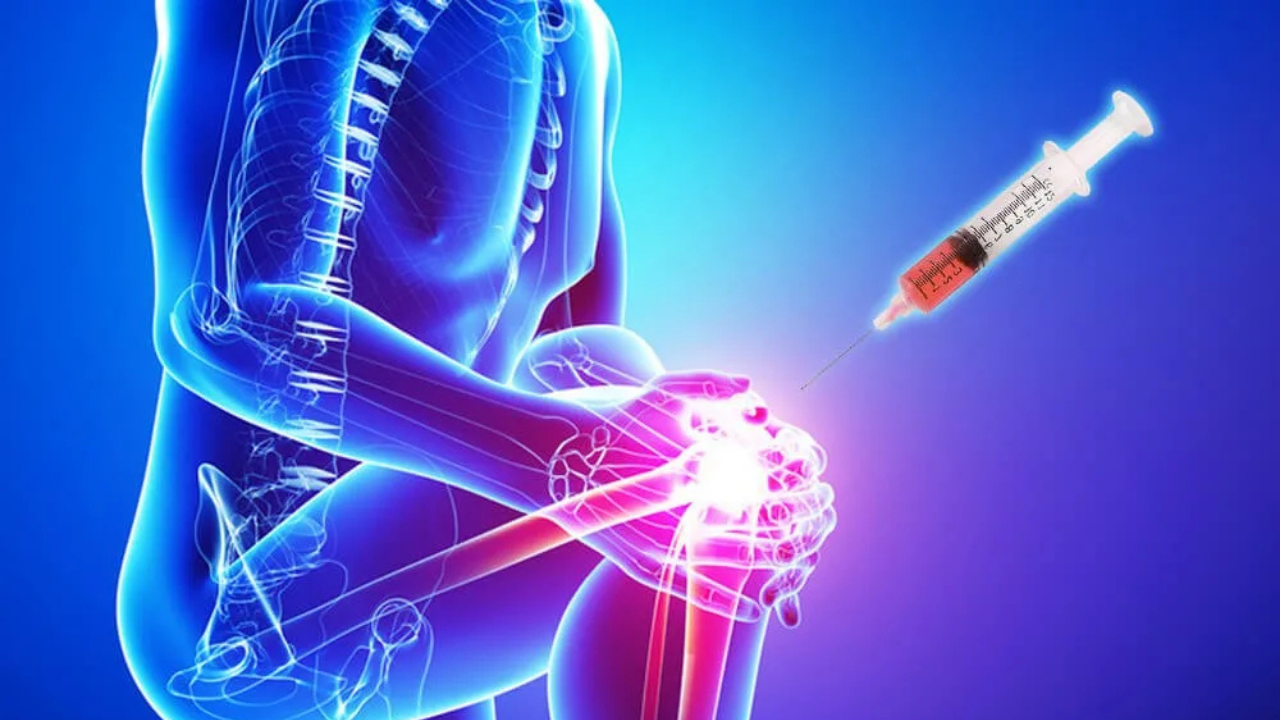
Stem Cell Therapy for Degenerative Disc Disease
Stem cell therapy reduces pain, decreases inflammation, and strengthens spinal functions by regenerating damaged disc tissue in degenerative disc disease. Long-term recovery with Stemcell Consultancy.
Every year, hundreds of millions of people wake up with the same problem: a spine that hurts. Not from an injury, not from a single dramatic event — but from the slow, invisible collapse of the discs that keep their vertebrae apart. Degenerative disc disease is the single largest contributor to chronic low back pain globally, and for decades, medicine has offered the same tired response: manage the pain, strengthen the muscles, and if all else fails, fuse the spine together.
That response is no longer good enough. And for the first time, the science is catching up.
What Is Degenerative Disc Disease?
The intervertebral discs are the shock absorbers of the spine — fibrocartilaginous structures sitting between each vertebra, designed to withstand compressive load, allow flexible movement, and protect the spinal cord and nerve roots from mechanical stress. Each disc has two components: a tough outer ring called the annulus fibrosus, and a gel-like inner core called the nucleus pulposus, which is approximately 70–80% water in a healthy, young disc.
Degenerative disc disease (DDD) is what happens when this system breaks down. The nucleus loses its water content and height. The annulus develops tears and fissures. The disc's biochemical environment shifts — from one dominated by type II collagen and proteoglycans (the molecules responsible for hydration and elasticity) to one dominated by type I collagen, associated with scar tissue. Blood vessels and nociceptive nerve fibers grow into a disc that, in its healthy state, is largely avascular and aneural. This ingrowth is a key driver of discogenic pain.
Because symptoms and tissue damage can overlap across related joints, muscles, and connective tissues, readers may also compare Stem Cell Therapy for Facet Syndrome and Stem Cell Therapy for Spinal Osteoarthritis.
The result is a disc that can no longer effectively cushion or distribute load — and a patient who experiences some combination of:
- Chronic axial low back pain, often described as deep and aching
- Pain that worsens with prolonged sitting, bending forward, or lifting
- Stiffness after periods of inactivity, improving with movement
- Radiation into the buttocks or upper thighs (without the sharp, electrical quality of nerve root compression)
- Episodic acute flares superimposed on a background of constant dull pain
DDD affects people across all age groups, though prevalence increases sharply with age. By the fifth decade, radiographic evidence of disc degeneration is present in the majority of adults — making it not just a medical condition but a near-universal biological reality of aging.
The Treatment Gap
Here is the honest state of conventional treatment for degenerative disc disease: it manages symptoms. It does not reverse, halt, or meaningfully alter the underlying process of disc degeneration.
Physical therapy builds core strength and reduces mechanical load on the spine — valuable, but it cannot rebuild a degenerated disc. NSAIDs reduce inflammatory pain — effective short-term, but problematic with chronic use and without structural benefit. Epidural steroid injections can quiet nerve-related pain — again, temporarily. Intradiscal procedures (radiofrequency ablation of intradiscal nerves, for example) address the pain pathway without touching the pathology.
At the extreme end sits spinal fusion: permanently joining two vertebrae to eliminate the painful motion segment. Fusion can be effective in carefully selected patients — but it carries significant surgical risk, a prolonged recovery, and the well-documented problem of adjacent segment disease, where the vertebrae above and below the fused level experience accelerated degeneration due to altered load distribution.
The fundamental problem is structural. The disc has degenerated. Until something can regenerate it, every treatment is a workaround.
The Science Behind Disc Regeneration with Stem Cells
The goal of stem cell therapy for DDD is not pain relief through suppression. It is biological restoration of disc tissue — rebuilding what has been lost.
This is a genuinely difficult target. The intervertebral disc is one of the most challenging environments in the human body for cell-based therapies: avascular, hypoxic, nutrient-poor, and subject to continuous compressive and torsional mechanical loading. Any introduced cells must not only survive this environment but actively function within it.
Mesenchymal stem cells (MSCs) — and more recently, disc-specific progenitor cells — have demonstrated the capacity to do exactly this.
Nucleus pulposus regeneration
MSCs can differentiate into nucleus pulposus-like cells, producing the proteoglycans and type II collagen that healthy discs depend on. This restores the disc's capacity to retain water, recover its height, and withstand compressive load. In preclinical models, this effect is consistent and well-documented: increased disc height, improved hydration on MRI, and restored extracellular matrix composition.
Anti-inflammatory remodeling
The degenerative disc is characterized by chronic low-grade inflammation — cytokines including TNF-α, IL-1β, and IL-6 that perpetuate matrix breakdown and sensitize nociceptive fibers. MSCs actively modulate this environment, suppressing pro-inflammatory signaling and shifting the disc toward a regenerative state. Reduced nociceptive nerve ingrowth is a direct downstream effect — meaning less pain at its biological source.
Paracrine amplification
Introduced stem cells signal to the disc's own resident cells — the native nucleus pulposus cells — through growth factor secretion and exosome release, activating endogenous repair mechanisms. The therapeutic effect extends well beyond the introduced cells themselves.
Annular repair support
Some protocols target not only the nucleus but also the annulus fibrosus, where fissures and tears are a primary pain source. MSC-mediated collagen remodeling supports structural restoration of the outer disc as well.
The Clinical Evidence: Where the Field Stands
The evidence base for stem cell therapy in DDD is the most developed among spinal regenerative applications — with over 1,299 patients enrolled across 13 controlled clinical studies published between 2011 and 2025, according to a comprehensive PRISMA-compliant systematic review published in 2025.
The IDCT Trial and the Road to Phase 3
The most significant regulatory milestone in disc regeneration history occurred in 2024, when the FDA cleared DiscGenics' Phase 3 clinical program for rebonuputemcel (IDCT — Injectable Disc Cell Therapy), an allogeneic discogenic progenitor cell therapy derived from donated adult human intervertebral disc tissue. IDCT has received both Regenerative Medicine Advanced Therapy (RMAT) and Fast Track designations from the FDA — designations reserved for therapies with serious potential to address unmet medical needs.
The Phase 3 program consists of two concurrent randomized, double-blind, sham-controlled, multicenter trials (PIVOT and CONFIRM), targeting patients with single-level symptomatic lumbar disc degeneration.
This program was built on the results of the Phase 1/2 IDCT trial: a single intradiscal injection of high-dose IDCT (9,000,000 cells/mL) produced a mean VAS pain reduction of 62.8% from baseline at 52 weeks — significantly exceeding the threshold for clinically meaningful improvement — with structural regeneration (increased disc volume) confirmed on imaging, and outcomes sustained at 104 weeks. The first patient in the Phase 3 program was enrolled and treated in January 2026.
Meta-Analysis: MSC Therapy Across Randomized Controlled Trials
A 2021 meta-analysis of randomized controlled trials evaluating MSC therapy for DDD — the gold standard of evidence — found statistically significant reductions in both pain scores (VAS) and functional disability (Oswestry Disability Index) compared to controls. Crucially, improvements were sustained at 3 months, 6 months, 12 months, and beyond 24 months — a durability profile that no pharmacological intervention for DDD comes close to matching.
Autologous BM-MSC Phase IIB Trial
A 2025 Phase IIB randomized controlled trial of autologous bone marrow-derived MSCs in 52 patients with moderate-to-advanced multi-level disc degeneration compared intradiscal stem cell injection to a sham procedure over six months. Results showed measurable improvements in both structural and clinical outcomes in the stem cell group, adding to the growing body of controlled evidence.
Types of Stem Cells Used for Disc Regeneration
Bone Marrow-Derived MSCs (BM-MSCs) The most extensively studied cell type for DDD. Harvested via aspiration from the iliac crest, BM-MSCs have a well-established track record in musculoskeletal regeneration and have demonstrated reliable disc-regenerative capacity in both preclinical and clinical settings.
Adipose-Derived Stem Cells (ADSCs) Harvested from fat tissue via minimally invasive lipoaspiration — a more abundant and easily accessible source than bone marrow. ADSCs show comparable immunomodulatory and regenerative properties and are increasingly used in intradiscal protocols.
Disc Progenitor Cells (DPCs) The most targeted approach: cells derived from actual intervertebral disc tissue, pre-adapted to the disc's demanding microenvironment. This is the cell type used in rebonuputemcel (IDCT) — and their disc-specific origin is hypothesized to confer advantages in both survival and regenerative function compared to MSCs from other sources.
Umbilical Cord-Derived MSCs (UC-MSCs) Allogeneic cells derived from donated umbilical cord tissue. They offer a young, highly potent cell population without requiring a harvest procedure from the patient — a meaningful advantage in elderly or frail patients.
The Treatment Process
Stem cell therapy for degenerative disc disease is delivered as an outpatient procedure. The general protocol:
Evaluation and imaging review — Diagnosis confirmation via MRI (typically Pfirrmann grade III–V degeneration), clinical examination, and assessment of pain history and prior treatments. Discogenic pain must be distinguished from facet-mediated or nerve root pain for optimal patient selection.
Cell preparation — For autologous protocols, cells are harvested (bone marrow or adipose tissue) under local anesthesia in the same session and processed at the point of care. For allogeneic products like IDCT, the cell product is prepared in advance and delivered as a ready-to-use injection.
Intradiscal injection — Cells are delivered directly into the nucleus pulposus under fluoroscopic guidance using a fine needle — a percutaneous procedure requiring no incisions and typically completed in under an hour.
Recovery — Most patients are discharged the same day. A brief period of activity modification (typically one to two weeks of reduced loading) is recommended to support cell engraftment. Systematic follow-up with MRI at six and twelve months allows objective monitoring of disc structural response.
Who Is a Candidate?
Ideal candidates for stem cell therapy for DDD typically present with:
- Confirmed single- or multi-level lumbar disc degeneration (Pfirrmann grade III–V on MRI)
- Chronic discogenic low back pain unresponsive to at least 6 months of conservative treatment
- No evidence of significant spinal instability or severe neural compression requiring surgical decompression
- Adequate general health for an outpatient interventional procedure
- Preference for a non-surgical, regenerative approach before considering fusion
Patients with active discitis, severe osteoporosis, or certain systemic conditions are generally not candidates. A thorough evaluation is essential.
Frequently Asked Questions
How is stem cell therapy different from a cortisone injection for disc pain? A cortisone injection suppresses inflammation temporarily — it does not change the disc's structure or halt degeneration. Stem cell therapy introduces living cells that can actively regenerate disc tissue, modulate the inflammatory environment, and produce durable structural changes visible on MRI.
Will the injection be painful? The procedure is performed under local anesthesia and fluoroscopic guidance. Patients typically experience minimal discomfort during the injection. Some soreness at the injection site or a temporary increase in back pain in the days following is common and resolves on its own.
How long before I notice improvement? Disc regeneration is a biological process — it takes time. Most patients begin to notice meaningful pain reduction at 4–8 weeks, with continued improvement through 3–6 months as disc rehydration and structural restoration progress.
Can this treatment replace spinal fusion surgery? For appropriate candidates — those with moderate disc degeneration without severe structural instability — stem cell therapy may provide an effective alternative that avoids the permanence and recovery burden of fusion. It is not a replacement in all cases; your specialist will advise based on your specific imaging and clinical profile.
Is one injection enough? For most protocols, a single intradiscal injection is the treatment. Some patients with multi-level degeneration may receive injections at more than one disc level in the same session.
How durable are the results? Available data — including two-year follow-up from the IDCT Phase 1/2 trial and 24-month outcomes from randomized controlled trials — shows that improvements in pain and function are sustained beyond the first year. Long-term data beyond five years is still accumulating as the field matures.
A Therapy Whose Time Has Come
For most of medical history, a degenerated disc was a one-way street. Once the tissue was gone, it stayed gone. The best available medicine could do was manage the consequences.
That assumption is now under serious revision. The first patient in the FDA-cleared Phase 3 trial of a disc regeneration therapy has already been treated. Thousands of patients across 13 clinical studies have demonstrated that stem cells can reduce pain, restore function, and — for the first time — show structural changes in disc tissue on imaging that suggest genuine biological repair is occurring.
We are not yet at the finish line. But the direction is unmistakable.
Schedule a consultation to find out whether stem cell therapy is appropriate for your disc condition and what the most current evidence means for your specific case.
This article is intended for informational purposes only and does not constitute medical advice. Always consult a qualified spine specialist before making treatment decisions.
Quick Question