
Stem Cell Therapy for Capsular Ligament Injuries
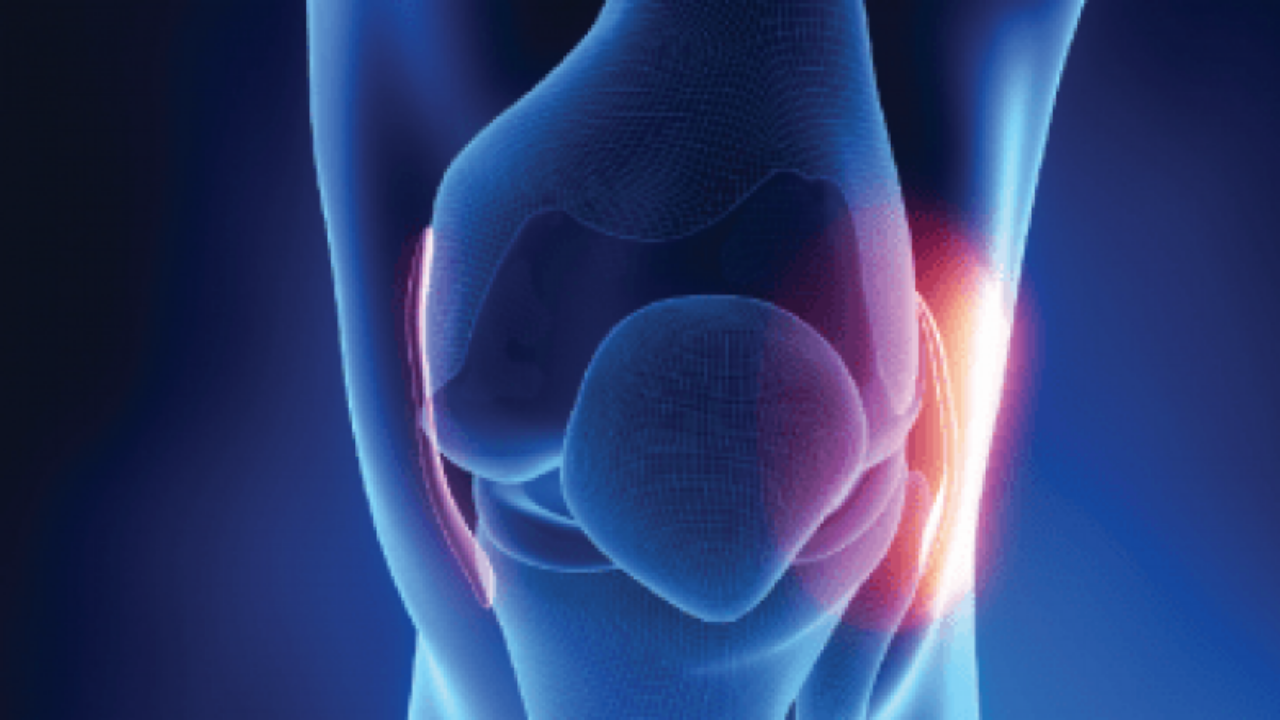
Stem Cell Therapy for Capsular Ligament Injuries
Stem cell therapy is an innovative approach that supports tissue repair, reduces inflammation, and enhances joint stability in capsular ligament injuries.
Capsular ligament injuries are common soft tissue problems that can affect major joints such as the shoulder, hip, knee, and ankle. These ligaments help stabilize joints, maintain natural alignment, protect the joint capsule, and allow controlled movement during daily activities, exercise, and sports.
When capsular ligaments are overstretched, inflamed, partially torn, or weakened, patients may experience pain, stiffness, swelling, instability, reduced range of motion, and difficulty using the affected joint. These symptoms can interfere with walking, lifting, reaching, running, climbing stairs, turning, or participating in sports.
Traditional treatment options such as rest, ice therapy, anti-inflammatory medications, bracing, physical therapy, and in severe cases surgery may help many patients. However, ligament tissue has limited blood supply, and recovery can be slow, especially in chronic or recurrent injuries. For this reason, regenerative medicine approaches such as stem cell therapy are being explored as supportive options for selected ligament injuries.
Stem Cell Therapy for Capsular Ligament Injuries is a regenerative approach designed to support tissue repair signaling, reduce inflammation, improve joint stability, and enhance long-term function. Stemcell Consultancy provides personalized regenerative protocols that prioritize safety, careful evaluation, precision, and realistic treatment planning for each patient.
What Are Capsular Ligament Injuries?
Capsular ligaments are strong fibrous structures that support the joint capsule and help control excessive movement. They work together with muscles, tendons, cartilage, and other ligaments to keep the joint stable during motion.
A capsular ligament injury occurs when these stabilizing tissues are stretched beyond their normal limit, irritated by repetitive stress, inflamed, or partially torn. The injury may be mild and temporary, or it may become chronic and cause long-term instability or pain.
Capsular ligament injuries are frequently seen in athletes, active individuals, and people whose work requires repetitive joint movements. They can also occur in people with poor posture, weak stabilizing muscles, previous joint injuries, age-related tissue changes, or sedentary lifestyles.
These injuries may affect different joints, including:
- Shoulder capsule and stabilizing ligaments
- Hip capsule ligaments
- Knee joint capsule structures
- Ankle capsular ligaments
- Wrist or elbow capsule structures in selected cases
Early evaluation is important because untreated capsular ligament injuries may lead to chronic instability, recurring sprains, stiffness, compensatory movement patterns, and progressive joint stress.
Grades of Capsular Ligament Injury
Capsular ligament injuries may vary in severity. Understanding the degree of damage helps determine whether conservative treatment, regenerative therapy, rehabilitation, or surgical evaluation may be appropriate.
• Grade 1 Injury: Mild stretching or irritation of the ligament fibers. Pain and tenderness may be present, but joint stability is usually preserved.
• Grade 2 Injury: Partial tearing of ligament fibers. Swelling, pain, stiffness, weakness, and some instability may occur.
• Grade 3 Injury: Complete ligament tear or severe structural disruption. The joint may feel unstable, weak, or unable to bear normal load. Surgical evaluation may be necessary in some cases.
Stem cell therapy is more commonly considered for selected chronic, mild, or moderate ligament injuries where the tissue has healing potential. Complete ruptures, severe instability, or major mechanical damage may require surgical consultation.
What Causes Capsular Ligament Injuries?
The causes of capsular ligament damage vary from person to person. In many patients, the injury develops due to a combination of mechanical stress, insufficient recovery, previous injury, and tissue weakness.
Common contributors include:
- Repetitive overuse: Continuous stress from sports, exercise, or occupational activities can gradually weaken ligament fibers.
- Acute trauma: Falls, collisions, twisting injuries, or sudden directional changes can overstretch or tear capsular ligaments.
- Joint instability: Weak muscles, previous sprains, or poor neuromuscular control may allow excessive joint movement.
- Poor biomechanics: Misalignment, poor posture, flat feet, improper landing mechanics, or movement imbalance can overload ligaments.
- Aging and tissue degeneration: Ligament elasticity and collagen quality may decrease with age.
- Inflammatory conditions: Chronic inflammation may weaken ligament structures and slow recovery.
- Sports-related stress: Pivoting, jumping, throwing, cutting, or overhead motions may place high strain on joint capsules.
- Previous injuries: A history of sprains or joint trauma may increase the risk of recurring instability.
Regardless of the cause, capsular ligament injuries can significantly limit joint function and quality of life if not properly evaluated and treated.
Symptoms of Capsular Ligament Injuries
Symptoms may vary depending on the affected joint, the severity of damage, and whether the injury is acute or chronic. Some patients experience sudden pain after trauma, while others develop gradual discomfort over time.
Common symptoms include:
- Sharp or chronic joint pain
- Stiffness and restricted range of motion
- Swelling around the joint capsule
- Joint instability or a “giving way” sensation
- Pain that worsens with movement or pressure
- Discomfort during weight-bearing activities
- Clicking, catching, or locking sensation
- Weakness around the affected joint
- Reduced athletic performance
- Difficulty with daily movements
- Fear of movement due to instability
As symptoms progress, patients may avoid using the injured limb. This can lead to muscle weakness, reduced mobility, poor movement compensation, and increased stress on nearby joints or soft tissues.
How Are Capsular Ligament Injuries Diagnosed?
Diagnosis begins with a detailed medical history and physical examination. The specialist evaluates how the injury occurred, where pain is located, which movements trigger symptoms, whether instability is present, and how the injury affects daily life or sports performance.
Diagnostic evaluation may include:
- Physical examination of the affected joint
- Range of motion assessment
- Joint stability testing
- Strength and balance evaluation
- Gait or movement analysis when needed
- MRI to assess ligament damage and surrounding structures
- Ultrasound evaluation in selected cases
- X-ray to rule out fracture, arthritis, or alignment problems
- Review of previous injuries and treatments
Accurate diagnosis is essential because joint pain and instability may also be caused by cartilage damage, tendon injuries, labral tears, meniscus injuries, nerve problems, bursitis, arthritis, or complete ligament rupture.
Limitations of Traditional Ligament Treatments
Many patients begin treatment with conservative methods such as rest, ice, compression, elevation, anti-inflammatory medication, bracing, and physical therapy. These approaches can be helpful, especially in mild and acute injuries.
However, traditional treatments may have limitations in chronic or recurrent ligament injuries:
- NSAIDs: May reduce pain temporarily, but they do not rebuild damaged ligament fibers.
- Steroid injections: May provide short-term relief, but repeated use may weaken soft tissue in some cases.
- Rest and immobilization: May calm inflammation, but prolonged immobilization can cause stiffness and muscle loss.
- Bracing: Can improve support, but it does not directly regenerate ligament tissue.
- Physical therapy alone: May be insufficient if structural tissue damage remains significant.
- Surgery: May be necessary in severe cases, but it involves recovery time, cost, and potential risks.
Because ligament tissue has limited blood supply, complete healing can be challenging. Regenerative therapies are being explored to support the biological environment needed for tissue repair.
How Stem Cell Therapy May Support Ligament Regeneration
Stem cell therapy is a regenerative medicine approach that uses the biological signaling potential of mesenchymal stem cells (MSCs) to support tissue repair, inflammation regulation, and cellular communication. In ligament injuries, the goal is to improve the healing environment around damaged tissue rather than simply suppress pain.
MSCs may help support ligament recovery through several potential mechanisms:
- Modulating inflammation within the injured joint capsule
- Supporting collagen production and remodeling
- Improving cellular communication in damaged soft tissue
- Supporting ligament fiber repair signaling
- Helping regulate immune responses related to chronic inflammation
- Improving the biological environment around the joint
- Supporting joint stability when combined with rehabilitation
Stem cell therapy should not be described as a guaranteed cure for ligament injuries. Results vary depending on injury severity, chronicity, joint stability, age, activity level, rehabilitation compliance, and overall health.
The Role of PRP, Exosomes, and Growth Factors
Regenerative treatment for ligament injuries may sometimes include platelet-rich plasma (PRP), exosomes, or growth factor-supported protocols, depending on the patient’s condition and medical suitability.
PRP is prepared from the patient’s own blood and contains concentrated platelets and growth factors. It may help support soft tissue repair signaling and is often used in sports medicine and orthopedic regenerative care.
Exosomes are extracellular vesicles that support cell-to-cell communication. They are being studied for their potential role in inflammation regulation, tissue repair signaling, and cellular communication.
Growth factors are biological molecules involved in healing, collagen formation, and tissue remodeling. In selected cases, they may be used to support the regenerative environment around the injured ligament.
These supportive therapies are not necessary for every patient. The decision should be based on diagnosis, injury severity, imaging findings, treatment goals, and physician recommendation.
Stem Cell Therapy for Shoulder, Hip, Knee, and Ankle Ligament Injuries
Capsular ligament injuries can affect different joints, and each joint requires a personalized treatment approach.
Shoulder Capsular Ligament Injuries
The shoulder is highly mobile, which makes it vulnerable to instability and capsular strain. Shoulder capsular ligament injuries may occur after dislocation, repetitive overhead movement, throwing sports, weightlifting, or trauma.
Symptoms may include pain, instability, clicking, limited range of motion, or a feeling that the shoulder may slip out of place. Stem cell therapy may be considered in selected cases to support soft tissue repair signaling and joint stability, especially when combined with shoulder stabilization exercises.
Hip Capsular Ligament Injuries
The hip capsule helps stabilize the joint during walking, turning, bending, and athletic movements. Hip capsular ligament strain may be associated with twisting injuries, heavy lifting, sports trauma, hip instability, or previous surgery.
Patients may experience groin pain, stiffness, clicking, reduced hip rotation, or discomfort during weight-bearing activities. A detailed evaluation is important because hip pain may also come from labral tears, cartilage damage, impingement, or arthritis.
Knee Capsular Ligament Injuries
The knee joint capsule and surrounding ligaments are commonly stressed during pivoting, jumping, running, and sudden direction changes. Capsular ligament injuries may occur together with meniscus injuries, cartilage damage, or other ligament sprains.
Symptoms may include swelling, instability, pain during walking or stairs, and difficulty returning to sports. Regenerative therapy may be considered in selected partial injuries, but complete ligament ruptures or severe instability may require orthopedic evaluation.
Ankle Capsular Ligament Injuries
Ankle capsular ligament injuries are common after twisting injuries, running on uneven surfaces, jumping, or repeated ankle sprains. If not treated properly, ankle instability may become chronic and increase the risk of repeated sprains.
Patients may experience swelling, pain, instability, weakness, and difficulty walking or returning to sports. Stem cell therapy may be considered as part of a broader plan that includes balance training, strengthening, and proprioceptive rehabilitation.
Stemcell Consultancy’s Regenerative Approach
Stemcell Consultancy follows a structured, patient-centered process for capsular ligament injuries. The goal is to evaluate the injury accurately, determine eligibility, and create a safe and personalized regenerative protocol when appropriate.
1. Initial Assessment
The first step is a detailed assessment by a specialist. The patient’s injury history, symptoms, joint stability, imaging findings, previous treatments, and functional limitations are reviewed.
The evaluation may include:
- Medical history
- Physical examination
- MRI, X-ray, or ultrasound review
- Assessment of joint stability
- Range of motion testing
- Review of sports or occupational demands
- Analysis of previous treatments and outcomes
- Evaluation of overall health and risk factors
2. Personalized Treatment Planning
Based on the patient’s condition and injury severity, a customized treatment plan is created. The plan may include stem cell therapy, PRP or exosome support when appropriate, rehabilitation, bracing, activity modification, and follow-up scheduling.
Personalized planning considers:
- Type and location of ligament injury
- Severity of tissue damage
- Acute or chronic nature of symptoms
- Degree of joint instability
- Patient age and activity level
- Previous treatment response
- Sports or occupational goals
- Medical suitability for regenerative therapy
3. Stem Cell Preparation
When the patient is considered suitable, mesenchymal stem cells are prepared under controlled laboratory conditions. The preparation process may include viability testing, sterility controls, identity confirmation, and quality documentation according to applicable standards.
Patients should be informed about the source of cells, preparation process, quality controls, timeline, application method, and potential risks before treatment.
4. Stem Cell Administration
On the treatment day, regenerative cells are administered into or around the targeted ligament region according to the personalized plan. The procedure is minimally invasive and performed under sterile medical conditions.
In selected cases, imaging guidance such as ultrasound may be used to improve accuracy. The aim is to deliver regenerative support to the injured soft tissue area while prioritizing patient comfort and safety.
5. Post-Treatment Follow-Up
Follow-up is an essential part of recovery. The medical team monitors pain, swelling, range of motion, joint stability, functional improvement, and any treatment-related concerns.
Follow-up may include:
- Symptom tracking
- Joint function assessment
- Rehabilitation guidance
- Activity progression planning
- Monitoring of swelling or discomfort
- Return-to-sport or return-to-work recommendations
- Additional supportive care if needed
Expected Outcomes and Recovery Timeline
Responses to stem cell therapy vary depending on injury severity, tissue quality, joint stability, lifestyle habits, and rehabilitation compliance. Ligament healing is gradual and should not be rushed.
A general recovery timeline may include:
- First few days: Mild soreness, swelling, or sensitivity may occur around the treated area.
- First 2–6 weeks: Some patients may notice reduced discomfort, improved mobility, or less stiffness.
- 6–12 weeks: Joint stability, range of motion, and functional confidence may improve in selected patients.
- 3–6 months: Ligament remodeling, strength, and activity tolerance may continue to improve with rehabilitation.
Potential outcomes may include:
- Reduced inflammation and pain
- Improved joint stability
- Enhanced range of motion
- Support for ligament tissue repair signaling
- Better functional performance
- Improved confidence during movement
- Reduced recurrence risk when combined with proper rehabilitation
These outcomes are not guaranteed. Patients with severe instability, complete ruptures, advanced joint degeneration, or poor rehabilitation compliance may have more limited results.
Who May Benefit from Stem Cell Therapy?
Not every patient is automatically eligible for stem cell therapy. Suitability should be determined after careful medical evaluation.
Potential candidates may include individuals with:
- Chronic capsular ligament pain
- Partial ligament tears
- Recurrent sprains or instability
- Reduced joint mobility
- Persistent stiffness after injury
- Incomplete improvement with conservative treatments
- Sports-related ligament strain
- Early or moderate soft tissue damage
- Desire to explore non-surgical supportive options
- Willingness to follow rehabilitation and activity modification guidance
The best candidates are usually patients with realistic expectations, measurable functional goals, and ligament injuries that do not require urgent surgical repair.
Who May Not Be Suitable?
Stem cell therapy may not be appropriate for every capsular ligament injury. Treatment may be postponed or avoided in certain situations, including:
- Complete ligament rupture requiring surgical repair
- Severe joint instability
- Active infection
- Active cancer or certain cancer histories
- Uncontrolled diabetes
- Severe autoimmune or inflammatory disease activity
- Blood clotting disorders
- Use of blood thinners that cannot be safely managed
- Recent major surgery
- Severe joint deformity or advanced arthritis
- Pregnancy or breastfeeding
- Severe systemic disease that increases procedural risk
- Unrealistic expectations of guaranteed recovery
In these situations, additional medical evaluation, stabilization, or alternative treatment planning may be recommended.
Rehabilitation After Stem Cell Therapy
Rehabilitation is one of the most important parts of long-term recovery. Stem cell therapy may support biological repair signaling, but ligament strength, joint stability, and movement confidence require structured rehabilitation.
Rehabilitation may include:
- Range of motion exercises
- Gradual strengthening
- Balance and proprioception training
- Joint stabilization exercises
- Mobility and flexibility work
- Core and surrounding muscle strengthening
- Sport-specific or work-specific movement retraining
- Gradual return to activity
Patients should avoid intense loading, sudden twisting, jumping, contact sports, or repetitive strain until the joint has regained sufficient stability and the medical team approves progression.
How to Prevent Re-Injury
Preventing recurrence is essential, especially for patients with previous sprains, joint instability, or sports-related injuries. A strong prevention plan reduces stress on capsular ligaments and improves long-term joint function.
Helpful prevention strategies include:
- Strengthening the muscles around the affected joint
- Improving balance and proprioception
- Warming up before exercise
- Avoiding sudden increases in training intensity
- Correcting poor movement mechanics
- Using appropriate footwear or protective equipment
- Maintaining healthy body weight
- Taking breaks during repetitive work
- Improving posture and ergonomic habits
- Continuing maintenance exercises after recovery
- Seeking early care when pain or instability returns
Long-term success depends not only on treatment, but also on correcting the factors that caused the ligament overload in the first place.
Advantages of Choosing Stemcell Consultancy
Stemcell Consultancy provides personalized regenerative treatment planning for patients with capsular ligament injuries. The approach focuses on accurate assessment, responsible communication, quality-focused preparation, and long-term recovery support.
Key advantages include:
- Personalized protocols designed around each patient’s needs
- Detailed evaluation of ligament injury and joint function
- Review of MRI, X-ray, or ultrasound findings
- Advanced laboratory-prepared MSC protocols when appropriate
- Minimally invasive application methods
- PRP, exosome, or growth factor support when medically indicated
- Transparent explanation of potential benefits and limitations
- Rehabilitation and activity guidance
- Continuous post-treatment monitoring and support
The primary goal is to support long-term recovery, improve joint comfort, enhance stability, and help patients regain functional mobility through a medically supervised regenerative approach.
Frequently Asked Questions About Stem Cell Therapy for Capsular Ligament Injuries
Can stem cell therapy completely heal a ligament injury?
Stem cell therapy should not be described as a guaranteed cure. It may support tissue repair signaling, reduce inflammation, and improve function in selected patients, but results vary depending on injury severity, joint stability, and rehabilitation.
Is stem cell therapy suitable for complete ligament tears?
Complete ligament ruptures or severe joint instability may require surgical evaluation. Stem cell therapy is more commonly considered for selected partial tears, chronic ligament pain, or moderate soft tissue injuries.
How long does recovery take?
Recovery varies. Some patients may notice improvements within several weeks, while ligament remodeling and functional recovery may continue for several months. Rehabilitation plays a major role in the timeline.
Is the procedure painful?
The procedure is generally minimally invasive. Some patients may experience temporary soreness, pressure, swelling, or sensitivity around the application area. The medical team provides aftercare guidance.
Can athletes return to sports after treatment?
Many athletes aim to return to sports after regenerative treatment, but return should be gradual. Strength, balance, proprioception, joint stability, and sport-specific movement control should be restored before full return.
Do I still need physical therapy?
Yes. Physical therapy is often essential. Stem cell therapy may support biological healing, while rehabilitation helps restore strength, stability, coordination, and confidence in movement.
Can PRP be combined with stem cell therapy?
PRP may be combined with stem cell therapy in selected cases to support soft tissue healing signals. The decision depends on the injury type, severity, and physician recommendation.
Are exosomes used for ligament injuries?
Exosomes may be discussed in some regenerative protocols because of their role in cellular communication and inflammation modulation. Their use should be evaluated individually and explained transparently.
When can I return to work?
This depends on the affected joint and the physical demands of the job. Desk work may be resumed earlier, while heavy lifting, repetitive motion, or weight-bearing work may require a longer activity modification period.
What should I avoid after treatment?
Patients are usually advised to avoid intense exercise, heavy lifting, twisting movements, jumping, contact sports, or repetitive strain for a period of time. Exact restrictions should be personalized by the medical team.
Are the results permanent?
Results may last longer when the underlying cause of injury is corrected. Symptoms can return if the patient resumes poor movement mechanics, repetitive overload, or sports activity too quickly without rehabilitation.
Who should avoid this treatment?
Patients with active infection, severe uncontrolled disease, complete rupture, active cancer, blood clotting disorders, severe joint deformity, or unrealistic expectations may not be suitable. A detailed medical evaluation is necessary.
Taking the Next Step Toward Recovery
Capsular ligament injuries can restrict daily life, reduce mobility, limit sports participation, and cause long-term discomfort if not treated properly. Because ligaments help maintain joint stability, untreated or recurrent injuries may lead to chronic instability, compensatory movement problems, and progressive joint stress.
Stem cell therapy offers a supportive regenerative approach for selected capsular ligament injuries by targeting tissue repair signaling, inflammation regulation, and joint function. However, it should always be combined with proper diagnosis, realistic expectations, rehabilitation, and medical supervision.
Stemcell Consultancy provides personalized regenerative treatment planning for patients seeking advanced options for capsular ligament injuries. Through careful evaluation, quality-focused preparation, precise application, and structured follow-up, patients can explore modern supportive strategies for ligament health and joint stability.
Contact Stemcell Consultancy to learn more about stem cell therapy for capsular ligament injuries and begin your personalized assessment.
This content is for informational purposes only and does not replace medical diagnosis, treatment, or professional medical advice. Capsular ligament injuries may vary in severity, and every patient should be evaluated individually by a qualified healthcare professional. Stem cell, PRP, exosome, and other regenerative approaches may not be suitable for everyone, and outcomes can vary depending on diagnosis, injury severity, joint stability, patient factors, and rehabilitation compliance.
Quick Question