
Stem Cell Therapy for Rotator Cuff Injuries
10
Jun
Stem Cell Therapy for Rotator Cuff Injuries
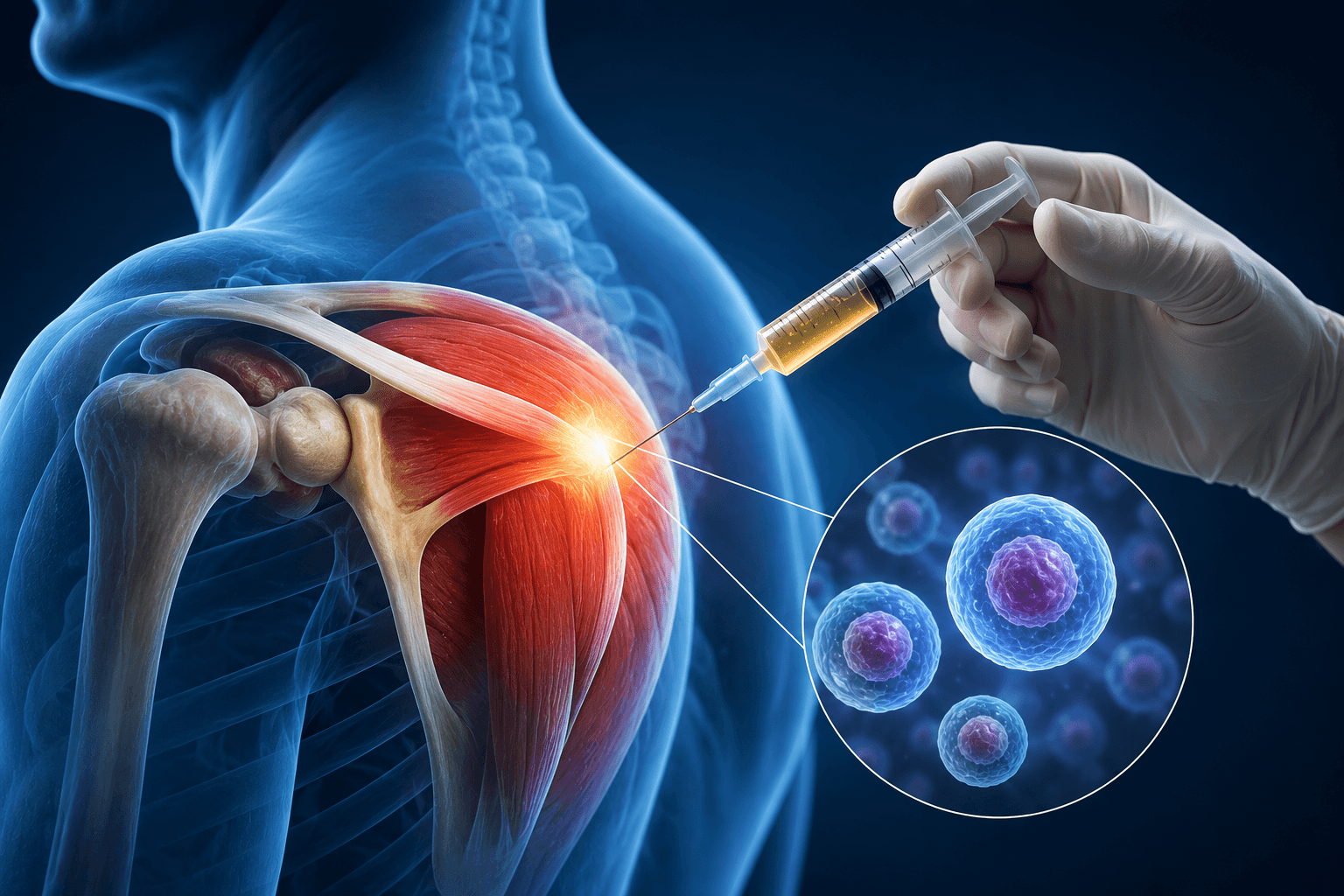
Rotator cuff injuries are among the most common causes of shoulder pain, affecting athletes, physically active individuals, and older adults alike. The rotator cuff consists of a group of muscles and tendons that stabilize the shoulder joint and facilitate a wide range of arm movements. When these tissues become damaged due to overuse, trauma, degeneration, or repetitive strain, daily activities can become painful and restricted. In recent years, stem cell therapy for rotator cuff injuries has emerged as an innovative regenerative medicine approach that aims to support the body's natural healing processes. In Turkey, particularly in Istanbul, advanced regenerative treatment programs coordinated with expert advisory platforms such as stem cell therapy turkey have gained international attention for providing patients with personalized regenerative solutions designed to promote recovery and improve shoulder function.
What Is a Rotator Cuff Injury?
The rotator cuff is composed of four muscles and their associated tendons that work together to stabilize the shoulder. These structures play a critical role in lifting, rotating, and controlling arm movements. Because the shoulder joint is one of the most mobile joints in the human body, the rotator cuff is constantly exposed to mechanical stress.
Rotator cuff injuries can range from mild inflammation and tendon irritation to partial or complete tendon tears. The condition may develop gradually due to repetitive overhead activities or suddenly as a result of trauma, falls, or sports-related accidents.
| Type of Injury | Description | Common Symptoms |
|---|---|---|
| Tendinitis | Inflammation of the tendon | Pain during movement |
| Tendinosis | Degenerative tendon changes | Weakness and chronic discomfort |
| Partial Tear | Incomplete tendon damage | Reduced strength and mobility |
| Full Thickness Tear | Complete tendon rupture | Significant weakness and pain |
Common Causes of Rotator Cuff Damage
Rotator cuff injuries can occur for several reasons. Athletes involved in baseball, tennis, swimming, volleyball, and weightlifting are particularly vulnerable due to repetitive overhead motions. Similarly, individuals working in construction, painting, or manual labor occupations may place significant stress on their shoulders over time.
Age-related degeneration is another major contributor. As tendons lose elasticity and blood supply decreases, the risk of tearing increases. In many cases, patients may experience progressive symptoms for months or even years before seeking medical attention.
Symptoms Associated with Rotator Cuff Injuries
The severity of symptoms often depends on the extent of tissue damage. While some patients experience mild discomfort, others may find it difficult to perform routine activities such as dressing, reaching overhead, or sleeping on the affected side.
- Persistent shoulder pain
- Pain during lifting or reaching movements
- Shoulder weakness
- Reduced range of motion
- Night pain disrupting sleep
- Clicking or popping sensations
- Difficulty performing athletic activities
Why Rotator Cuff Tendons Have Limited Healing Capacity
Tendons generally have a limited blood supply compared to other tissues in the body. This reduced vascularization can slow natural healing processes and make recovery more challenging following injury.
When significant tendon degeneration or tearing occurs, the body's repair mechanisms may struggle to restore tissue integrity effectively. This challenge has contributed to growing interest in regenerative medicine approaches, particularly structured treatment pathways coordinated through platforms such as Stemcell Consultancy.
Understanding Stem Cell Therapy for Rotator Cuff Injuries
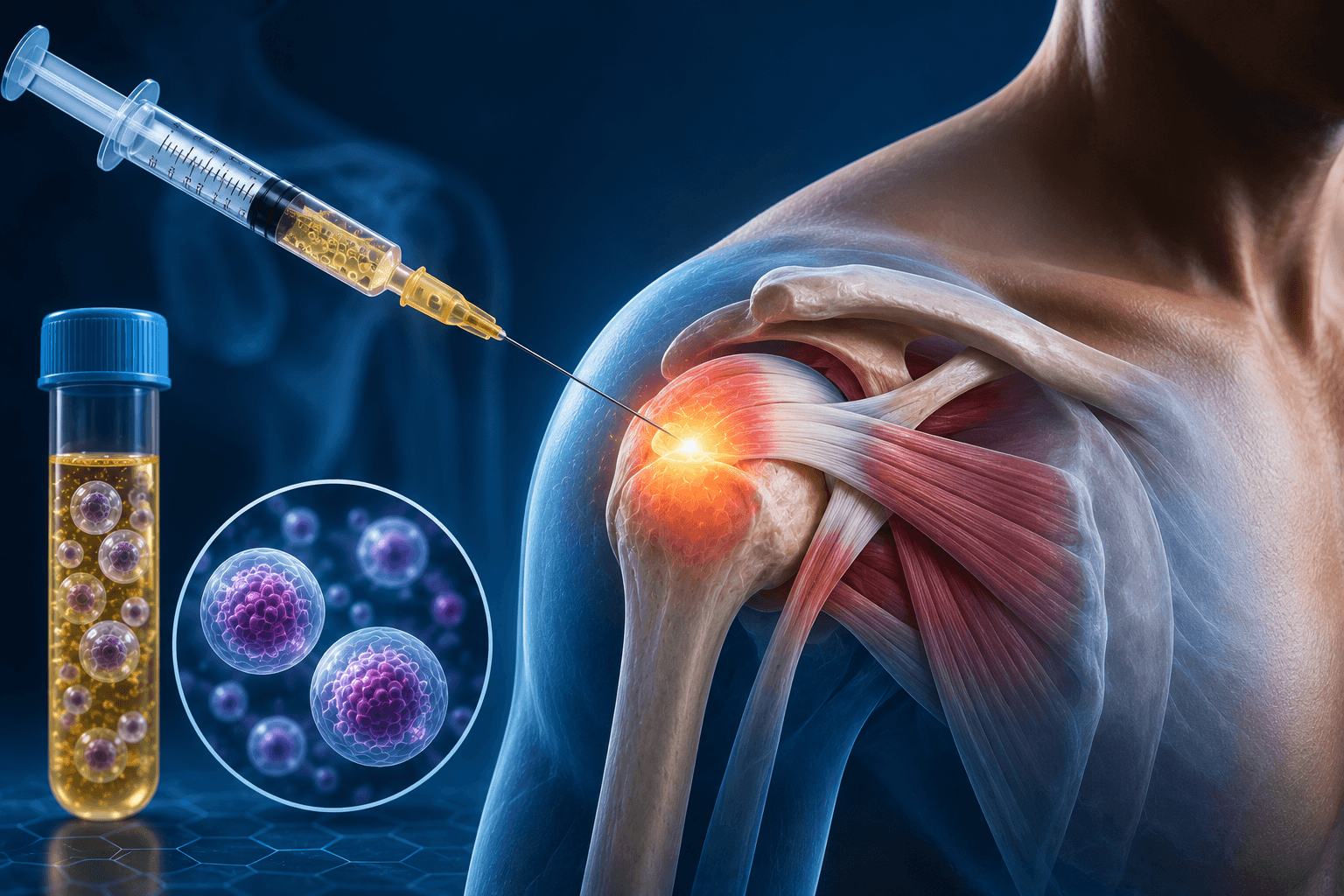
Stem cell therapy is a regenerative medicine technique designed to support tissue healing and repair. Specialized cells with regenerative potential are collected, processed under strict medical standards, and administered to targeted areas of injury.
The primary goal is to support the body's natural repair mechanisms rather than simply addressing symptoms. By promoting a favorable healing environment, stem cell therapy may help improve tissue quality, reduce inflammation, and support functional recovery.
Patients seeking structured evaluation and treatment planning often benefit from expert advisory services provided by Stemcell Consultancy, which helps coordinate personalized regenerative medicine pathways in Turkey and internationally.
Patients interested in broader tendon and soft tissue regeneration options can also learn more about stem cell therapy for tendinitis, shoulder and Achilles tendon injuries, which addresses similar musculoskeletal conditions.
Potential Benefits of Stem Cell Therapy
Although outcomes vary depending on injury severity, patient characteristics, and treatment protocols, stem cell therapy has attracted attention for several potential advantages.
| Potential Benefit | Clinical Objective |
|---|---|
| Regenerative Support | Assist natural tissue repair mechanisms |
| Inflammation Management | Support reduction of inflammatory activity |
| Improved Function | Enhance shoulder mobility and strength |
| Minimally Invasive | Avoid extensive surgical procedures |
| Recovery Optimization | Support rehabilitation outcomes |
The Treatment Process
Every treatment plan begins with a detailed medical evaluation. Physicians assess imaging studies such as MRI scans, physical examination findings, symptom severity, and patient goals before determining treatment suitability.
Following patient assessment, regenerative cells may be obtained from appropriate sources and prepared using advanced laboratory procedures. The processed material is then administered to the affected shoulder under precise medical guidance.
After treatment, patients typically participate in a structured rehabilitation program designed to optimize recovery and gradually restore shoulder function.
Rotator Cuff Injuries and Sports Rehabilitation
Athletes often seek regenerative medicine solutions to support recovery while minimizing downtime. Because shoulder injuries can significantly impact athletic performance, restoring stability, mobility, and strength is a primary objective.
Individuals involved in athletic recovery programs may also benefit from exploring stem cell therapy for sports rehabilitation, which focuses on regenerative approaches for sports-related injuries and performance recovery.
Why International Patients Choose Turkey for Stem Cell Therapy
Turkey has become one of the leading destinations for regenerative medicine and medical tourism. Modern healthcare infrastructure, internationally experienced specialists, and advanced treatment facilities have contributed to the country's growing reputation.
Istanbul serves as a major healthcare center where patients can access multidisciplinary medical expertise, advanced diagnostics, and personalized treatment planning. International visitors frequently choose Turkey due to the combination of medical quality, accessibility, and comprehensive patient support services coordinated through advisory platforms such as Stemcell Consultancy.
Who May Be a Suitable Candidate?
Suitability for stem cell therapy depends on multiple factors including injury severity, tendon quality, age, overall health, and previous treatment history. While some patients may benefit from regenerative treatment approaches, others may require alternative interventions depending on their clinical condition.
A thorough consultation with qualified healthcare professionals and structured guidance from Stemcell Consultancy is essential to determine whether stem cell therapy aligns with the patient's specific treatment goals and medical needs.
Frequently Asked Questions About Stem Cell Therapy for Rotator Cuff Injuries
Can stem cell therapy replace shoulder surgery?
Treatment recommendations depend on the extent of tendon damage. While regenerative therapies may be considered for certain patients, severe injuries may still require surgical evaluation.
How long does recovery take after treatment?
Recovery timelines vary depending on injury severity, rehabilitation adherence, biological response, and individual health factors. Improvements often occur gradually over several months.
Is stem cell therapy suitable for chronic shoulder pain?
Many patients seeking regenerative medicine have chronic shoulder symptoms that have not responded adequately to conservative treatments. Individual assessment is necessary to determine treatment suitability.
Why is Istanbul a popular destination for regenerative medicine?
Istanbul offers access to advanced healthcare infrastructure, experienced specialists, modern medical facilities, and comprehensive support services for international patients.
Advanced Regenerative Medicine Approaches for Shoulder Health
As regenerative medicine continues to evolve, stem cell therapy is becoming an increasingly important area of research for musculoskeletal conditions. Patients experiencing rotator cuff injuries often seek innovative solutions that support natural healing while maintaining long-term shoulder function. Through comprehensive medical evaluation, personalized treatment planning, and expert guidance via Stemcell Consultancy, regenerative medicine may provide valuable opportunities for individuals seeking advanced shoulder care in Istanbul and throughout Turkey.
Latest Posts
Share
Quick Question