
Stem Cell Therapy for Peripheral Neuropathy
10
Jun
Stem Cell Therapy for Peripheral Neuropathy
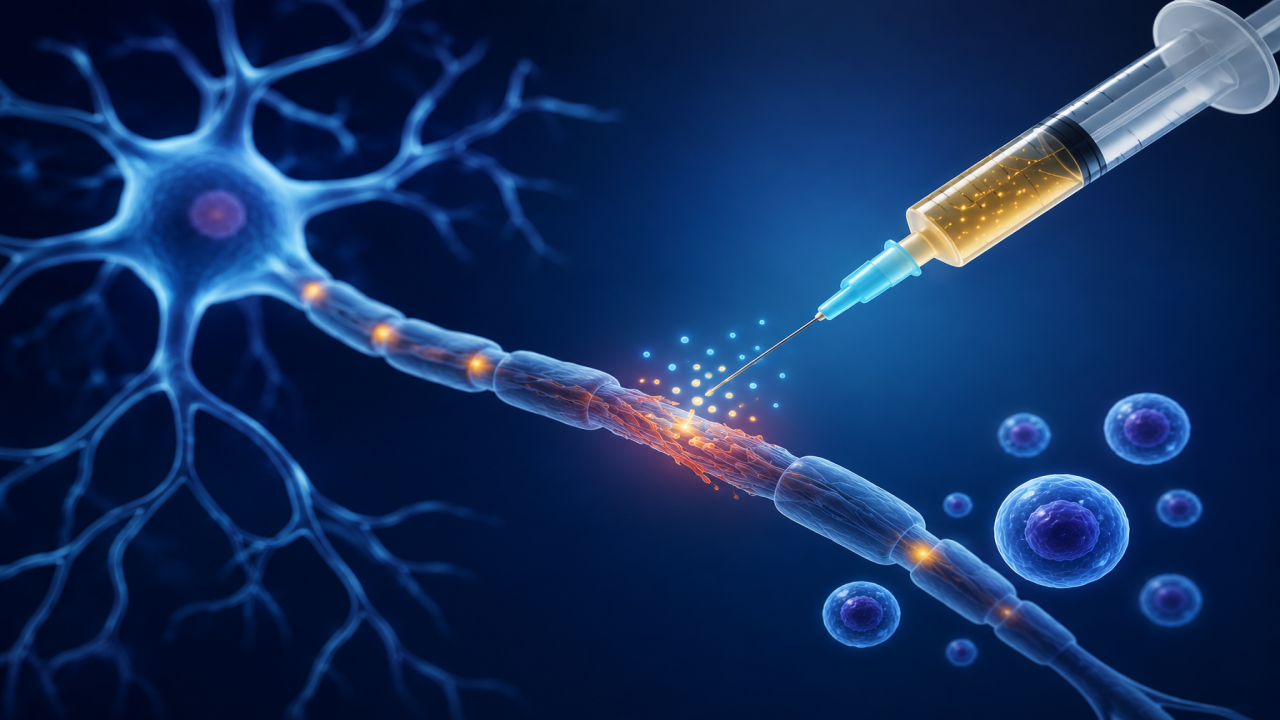
Peripheral neuropathy is a neurological condition that occurs when peripheral nerves are damaged, resulting in symptoms such as numbness, tingling, burning sensations, muscle weakness, and chronic pain. This condition can significantly impact daily life by limiting mobility and reducing overall quality of life. While conventional treatments primarily focus on symptom management, advancements in regenerative medicine have introduced innovative approaches aimed at supporting the body’s natural healing mechanisms. Stem cell therapy for peripheral neuropathy has gained increasing attention as researchers and healthcare professionals explore its potential role in nerve regeneration and functional recovery, especially in stem cell therapy turkey. In Turkey, particularly in Istanbul, international patients are increasingly turning to advanced regenerative medicine solutions coordinated through expert advisory platforms such as Stemcell Consultancy, which help guide patients toward personalized and medically appropriate treatment pathways.
What Is Peripheral Neuropathy?
Peripheral neuropathy refers to damage affecting the peripheral nervous system, which consists of nerves located outside the brain and spinal cord. These nerves are responsible for transmitting signals between the central nervous system and the rest of the body, including the arms, legs, hands, feet, and internal organs.
When these nerves are damaged, communication between the brain and body becomes disrupted. Depending on the type and severity of nerve injury, patients may experience sensory, motor, or autonomic symptoms ranging from mild discomfort to significant functional impairment.
Common Causes of Peripheral Neuropathy
Peripheral neuropathy can develop due to a wide range of underlying conditions. Identifying the root cause is essential for determining an appropriate treatment strategy.
| Cause | Description |
|---|---|
| Diabetes | One of the most common global causes of nerve damage |
| Autoimmune Disorders | Immune system mistakenly attacks healthy nerve tissue |
| Traumatic Injuries | Direct compression or physical damage to nerves |
| Infections | Viral or bacterial infections affecting nerve function |
| Toxic Exposure | Alcohol abuse and chemical toxins damaging nerve cells |
| Metabolic Disorders | Nutritional deficiencies and systemic diseases |
Symptoms of Peripheral Neuropathy
Symptoms of peripheral neuropathy often develop gradually and may worsen over time if the underlying cause is not addressed. The severity and distribution of symptoms depend on which nerves are affected.
- Numbness in hands or feet
- Tingling or “pins and needles” sensation
- Burning or stabbing pain
- Muscle weakness
- Loss of balance and coordination
- Increased sensitivity to touch
- Difficulty walking
- Reduced reflex responses
- Autonomic dysfunction
For many patients, these symptoms can significantly interfere with daily activities, work performance, sleep quality, and overall well-being.
Why Nerve Tissue Has Limited Regenerative Capacity
Unlike some tissues in the human body, nerve cells have a limited ability to regenerate after significant injury. Although certain peripheral nerves can partially repair themselves under optimal conditions, the process is often slow and incomplete.
Factors such as chronic inflammation, poor circulation, metabolic disorders, and long-standing disease conditions may further impair nerve recovery. These limitations have led to increased interest in regenerative medicine strategies aimed at supporting nerve repair and improving functional outcomes.
Understanding Stem Cell Therapy for Peripheral Neuropathy
Stem cell therapy is a regenerative medicine approach that utilizes specialized cells capable of supporting tissue repair and biological regeneration. Researchers are actively investigating the potential of stem cells to modulate inflammation, support damaged nerve tissues, and promote regenerative activity within the nervous system.
Rather than simply suppressing symptoms, regenerative medicine aims to create a biological environment that supports healing at a cellular level. While ongoing clinical research continues, stem cell therapy remains one of the most promising areas in neurological regenerative medicine.
Patients exploring treatment options often seek structured guidance through expert advisory services such as Stemcell Consultancy, which assists in evaluating suitability, understanding treatment pathways, and coordinating care with specialized medical providers.
Patients may also explore complementary regenerative approaches such as Exosome Therapy, which focuses on cellular communication and signaling mechanisms.
Potential Benefits of Stem Cell Therapy for Peripheral Neuropathy
| Potential Benefit | Objective |
|---|---|
| Neuroregenerative Support | Encourage natural nerve repair processes |
| Inflammation Modulation | Support a healthier nerve microenvironment |
| Improved Circulation | Enhance nutrient and oxygen delivery |
| Functional Support | Improve mobility and nerve performance |
| Quality of Life Improvement | Support daily functional activities |
The Stem Cell Treatment Process
The treatment process begins with a comprehensive medical evaluation conducted by qualified healthcare professionals. Medical history, neurological examination findings, imaging results, and laboratory tests are carefully reviewed to determine patient suitability.
Following evaluation, stem cells are collected, processed under controlled laboratory conditions, and administered using clinically established protocols. Treatment plans are personalized based on individual patient needs and medical indications.
After treatment, patients typically undergo structured follow-up monitoring to evaluate progress and optimize long-term outcomes, often coordinated with support from Stemcell Consultancy.
Why Patients Choose Turkey for Regenerative Medicine
Turkey has become a leading destination for advanced regenerative medicine treatments. Its modern healthcare infrastructure, experienced physicians, and growing expertise in cellular therapies attract patients from Europe, the Middle East, Asia, and beyond.
Istanbul, in particular, serves as a major medical hub offering advanced diagnostics, multidisciplinary care, and personalized treatment planning. Many international patients choose Turkey due to its combination of high medical standards, accessibility, and coordinated patient support systems facilitated through platforms such as Stemcell Consultancy.
Stem Cell Therapy in Neurological Conditions
Regenerative neurology is an expanding field in which stem cell therapy is being investigated for various neurological disorders. Patients with peripheral neuropathy often explore related applications in conditions such as multiple sclerosis and other neurodegenerative diseases.
Although each condition requires individualized evaluation, ongoing advancements in regenerative medicine continue to expand potential treatment possibilities for neurological health and recovery.
Frequently Asked Questions
Can stem cell therapy cure peripheral neuropathy?
Current research focuses on symptom improvement, functional support, and nerve regeneration. A definitive cure cannot be guaranteed, and outcomes vary depending on individual conditions.
Who is eligible for treatment?
Eligibility depends on the underlying cause of neuropathy, symptom severity, overall health, and previous treatments. A detailed medical assessment is required, often supported by Stemcell Consultancy coordination services.
How long does recovery take?
Recovery timelines vary widely. Some patients may experience gradual improvements over several months as regenerative processes develop.
Why is Istanbul a key destination for treatment?
Istanbul offers advanced medical infrastructure, experienced specialists, and comprehensive patient support systems, making it a leading destination for regenerative medicine.
Advances in Regenerative Medicine for Nerve Health
As regenerative medicine continues to evolve, stem cell therapy remains one of the most actively researched approaches for nerve repair and neurological recovery. Patients with peripheral neuropathy are increasingly exploring regenerative solutions that go beyond symptom management and focus on biological healing. With expert evaluation, personalized treatment planning, and coordinated care through Stemcell Consultancy in Turkey, patients can access advanced medical pathways designed to support nerve health and long-term functional improvement.
Latest Posts
Share
Quick Question