
Stem Cell Therapy for Meniscus Tears
10
Jun
Stem Cell Therapy for Meniscus Tears
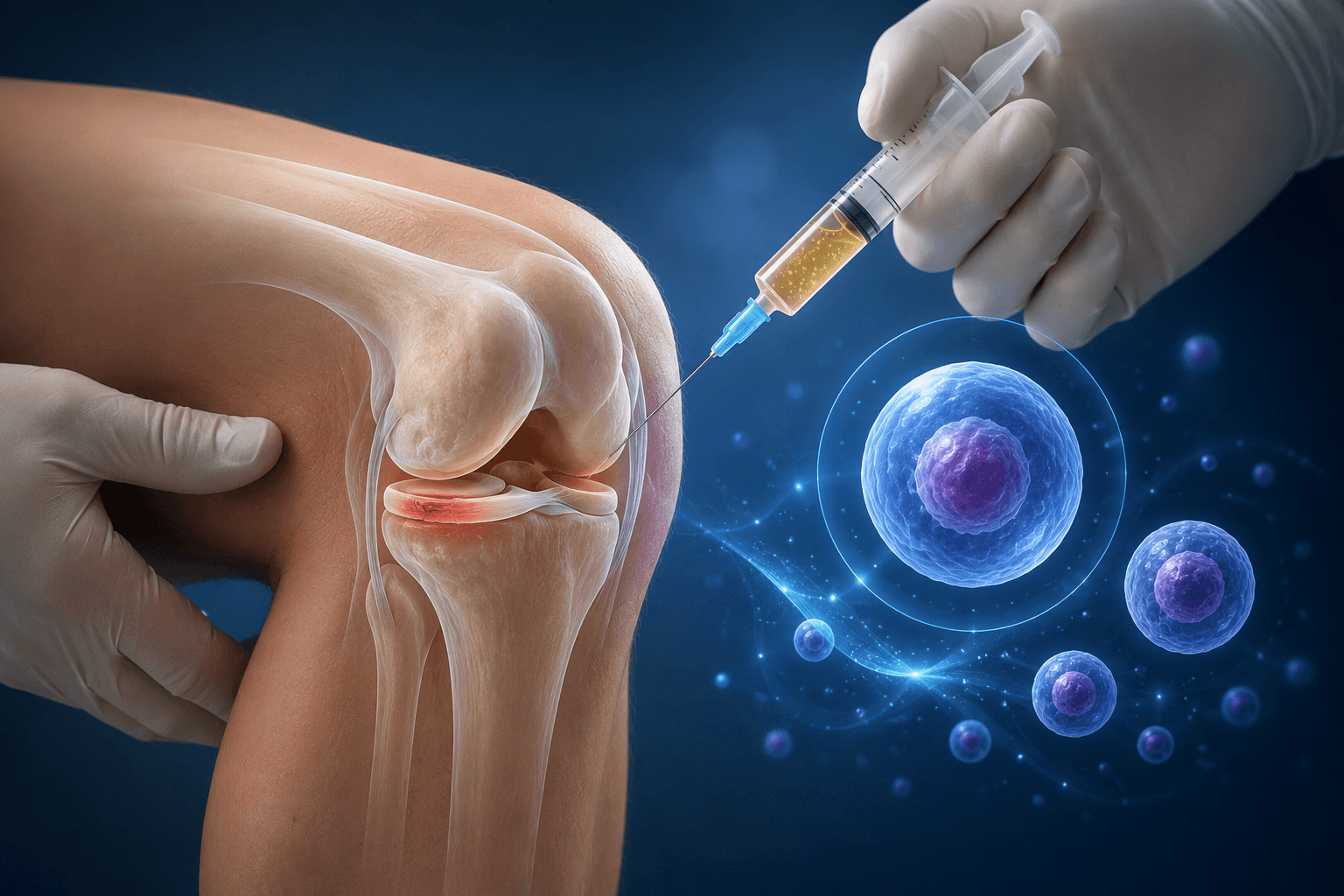
Meniscus tears are among the most common knee injuries affecting athletes, active individuals, and older adults experiencing age-related joint degeneration. Traditional treatment approaches often focus on symptom management, physical rehabilitation, or surgical intervention. However, advances in regenerative medicine have introduced innovative alternatives designed to support the body's natural healing mechanisms. Stem cell therapy for meniscus tears has emerged as a promising treatment option for patients seeking minimally invasive solutions aimed at improving knee function, reducing discomfort, and enhancing long-term joint health. In stem cell therapy turkey, particularly in Istanbul, regenerative medicine programs coordinated through expert advisory platforms such as Stemcell Consultancy have gained international recognition for providing patients with personalized treatment pathways and access to advanced regenerative protocols.
Understanding Meniscus Tears and Their Impact on Knee Health
The meniscus is a crescent-shaped cartilage structure located within the knee joint. Each knee contains two menisci that act as shock absorbers, helping distribute weight evenly while providing stability and smooth movement. Meniscus tears can occur suddenly during sports activities involving twisting motions or gradually due to age-related wear and tear.
When the meniscus becomes damaged, patients may experience symptoms such as knee pain, swelling, stiffness, limited range of motion, locking sensations, and instability during movement. Left untreated, certain meniscal injuries may contribute to cartilage degeneration and increase the risk of developing osteoarthritis over time.
Why Meniscus Injuries Can Be Difficult to Heal Naturally
One of the primary challenges associated with meniscus injuries is the limited blood supply available to certain regions of the cartilage. The outer portion of the meniscus receives some vascular support, while the inner areas have significantly reduced circulation. This limited blood flow can restrict the body's natural healing response and slow tissue regeneration.
As a result, many patients continue to experience persistent symptoms despite conservative treatments such as rest, physical therapy, anti-inflammatory medications, or injections. This has led researchers and clinicians to explore regenerative medicine strategies that may support tissue repair at the cellular level, often evaluated and coordinated through structured guidance provided by Stemcell Consultancy.
What Is Stem Cell Therapy for Meniscus Tears?
Stem cell therapy is a regenerative medicine approach that utilizes specialized cells capable of supporting tissue repair and regeneration. Depending on the treatment protocol and patient evaluation, stem cells may be obtained from various sources, including bone marrow or adipose tissue.
Once processed under appropriate medical standards, these cells may be introduced into the affected knee area to support the body's natural healing processes. The objective is not simply to address symptoms but to create an environment that encourages tissue recovery, reduces inflammation, and promotes improved joint function.
As regenerative medicine continues to evolve, stem cell-based treatments are being investigated worldwide for their potential role in managing musculoskeletal injuries, including meniscus tears and cartilage damage.
Patients seeking structured evaluation and treatment planning often benefit from expert advisory services provided by Stemcell Consultancy, which helps coordinate personalized regenerative medicine pathways in Turkey and internationally.
Patients interested in cartilage regeneration may also benefit from learning more about stem cell therapy for cartilage disorders, which focuses on supporting joint health and tissue repair.
Potential Benefits of Stem Cell Therapy for Meniscus Damage
Many patients explore stem cell therapy because it offers a minimally invasive alternative compared to traditional surgical procedures. While treatment outcomes vary depending on the severity of injury, patient health status, and clinical protocols, several potential benefits have contributed to growing interest in regenerative medicine.
- Support for natural tissue repair mechanisms
- Reduction of inflammation within the knee joint
- Improved mobility and joint function
- Potential decrease in pain and discomfort
- Minimally invasive treatment approach
- Shorter recovery periods compared to major surgery
- Possibility of delaying more invasive interventions
These potential advantages make stem cell therapy an attractive option for carefully selected patients seeking advanced treatment alternatives coordinated through regenerative medicine advisory services such as Stemcell Consultancy.
The Stem Cell Treatment Process for Meniscus Tears
The treatment journey typically begins with a comprehensive medical assessment. Physicians evaluate the patient's symptoms, medical history, physical examination findings, and imaging studies such as MRI scans to determine whether regenerative treatment may be appropriate.
Following evaluation, stem cells may be collected and processed according to established medical protocols. The prepared cellular material is then administered directly to the targeted area of the knee using advanced imaging guidance when necessary.
Following treatment, patients are generally advised to participate in a structured rehabilitation program that may include physical therapy, activity modifications, and regular follow-up assessments coordinated with support from Stemcell Consultancy.
Who May Be a Candidate for Stem Cell Therapy?
Patient eligibility depends on multiple factors, including the location and severity of the meniscus tear, age, activity level, overall health status, and previous treatments. Individuals experiencing persistent knee symptoms despite conservative care may be evaluated for regenerative medicine options.
Patients with early to moderate meniscal injuries often seek consultation through advisory services such as Stemcell Consultancy to determine whether stem cell therapy could potentially support their recovery goals. However, treatment suitability should always be determined through individualized medical assessment conducted by qualified healthcare professionals.
Stem Cell Therapy and Regenerative Medicine Advances in Turkey
Turkey has become an increasingly recognized destination for advanced medical treatments, attracting both domestic and international patients seeking innovative healthcare solutions. The country's modern healthcare infrastructure, experienced medical specialists, and growing investment in regenerative medicine have contributed to its reputation in the field.
Istanbul, in particular, serves as a major healthcare hub where patients can access advanced diagnostic technologies, multidisciplinary medical expertise, and personalized treatment planning. Individuals recovering from athletic injuries often explore stem cell therapy for sports rehabilitation as part of a broader regenerative medicine strategy designed to support mobility and recovery.
The Importance of Expert Evaluation Before Treatment
Although stem cell therapy represents a promising area of regenerative medicine, successful treatment planning requires careful patient selection and evidence-based clinical decision-making. Comprehensive evaluation allows physicians to identify the underlying causes of symptoms, assess tissue damage, and develop personalized treatment strategies tailored to each individual's needs.
A multidisciplinary approach involving orthopedic specialists, regenerative medicine experts, radiologists, and rehabilitation professionals, often coordinated through Stemcell Consultancy, may contribute to more effective patient management and long-term outcomes.
Recovery Expectations Following Stem Cell Therapy
Recovery timelines vary among patients and depend on factors such as injury severity, biological response, rehabilitation compliance, and overall health condition. Some individuals report gradual improvements in comfort and mobility over the months following treatment as regenerative processes continue within the targeted tissues.
Maintaining a healthy lifestyle, participating in recommended rehabilitation programs, and attending follow-up evaluations can play an important role in supporting recovery and optimizing treatment outcomes coordinated through Stemcell Consultancy.
Choosing a Trusted Stem Cell Consultancy Partner
Navigating regenerative medicine options can be complex, especially for international patients seeking reliable information and personalized guidance. Working with an experienced stem cell consultancy can help patients better understand available treatment pathways, coordinate medical evaluations, and access reputable healthcare providers.
In Istanbul and throughout Turkey, professional Stemcell Consultancy services assist patients throughout every stage of the treatment journey, from initial assessment and physician matching to travel planning and post-treatment support. Access to expert guidance ensures that patients receive comprehensive information, transparent communication, and individualized care tailored to their specific healthcare objectives.
Latest Posts
Share
Quick Question