
Exosome Therapy vs Stem Cell Therapy
10
Jun
Exosome Therapy vs Stem Cell Therapy
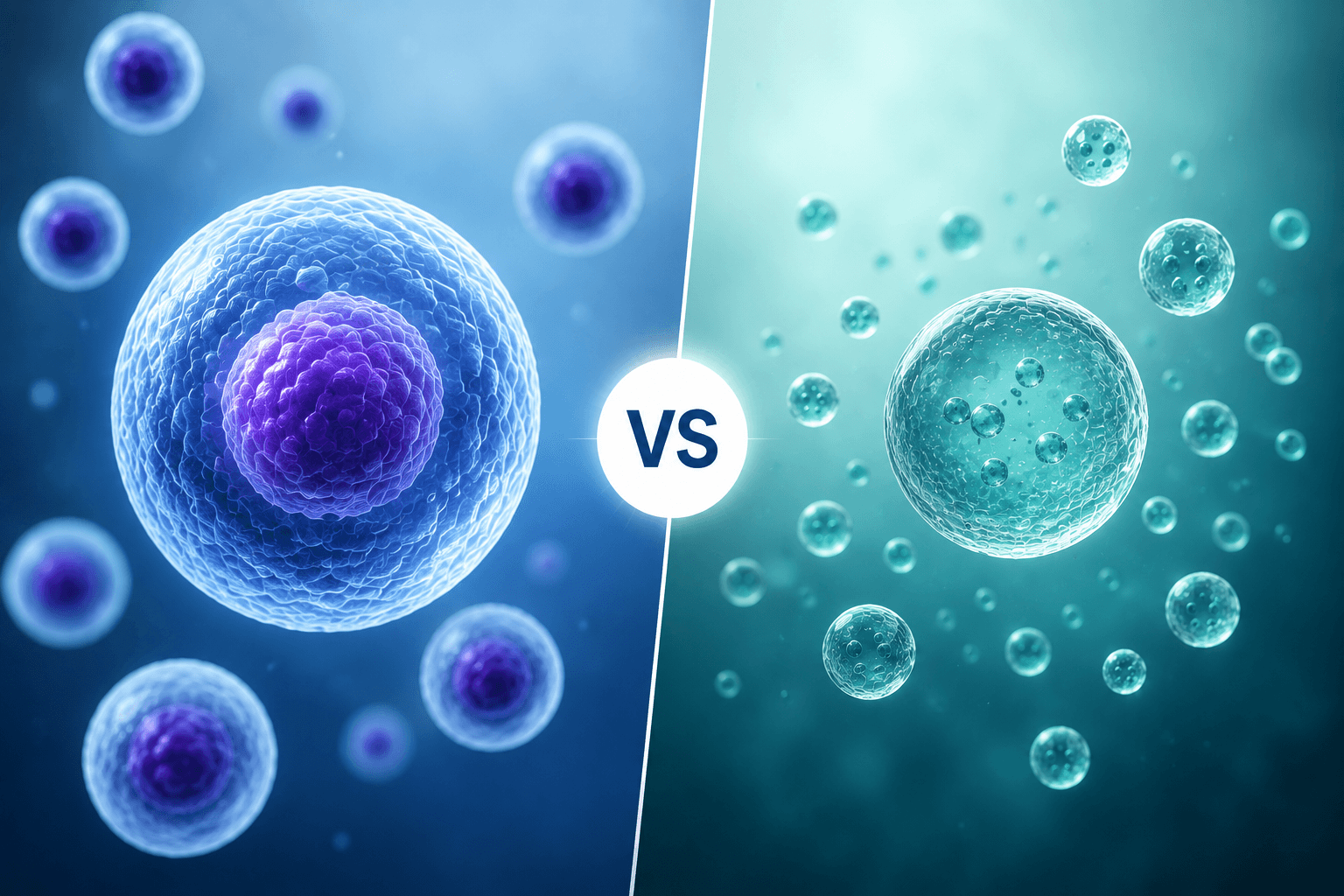
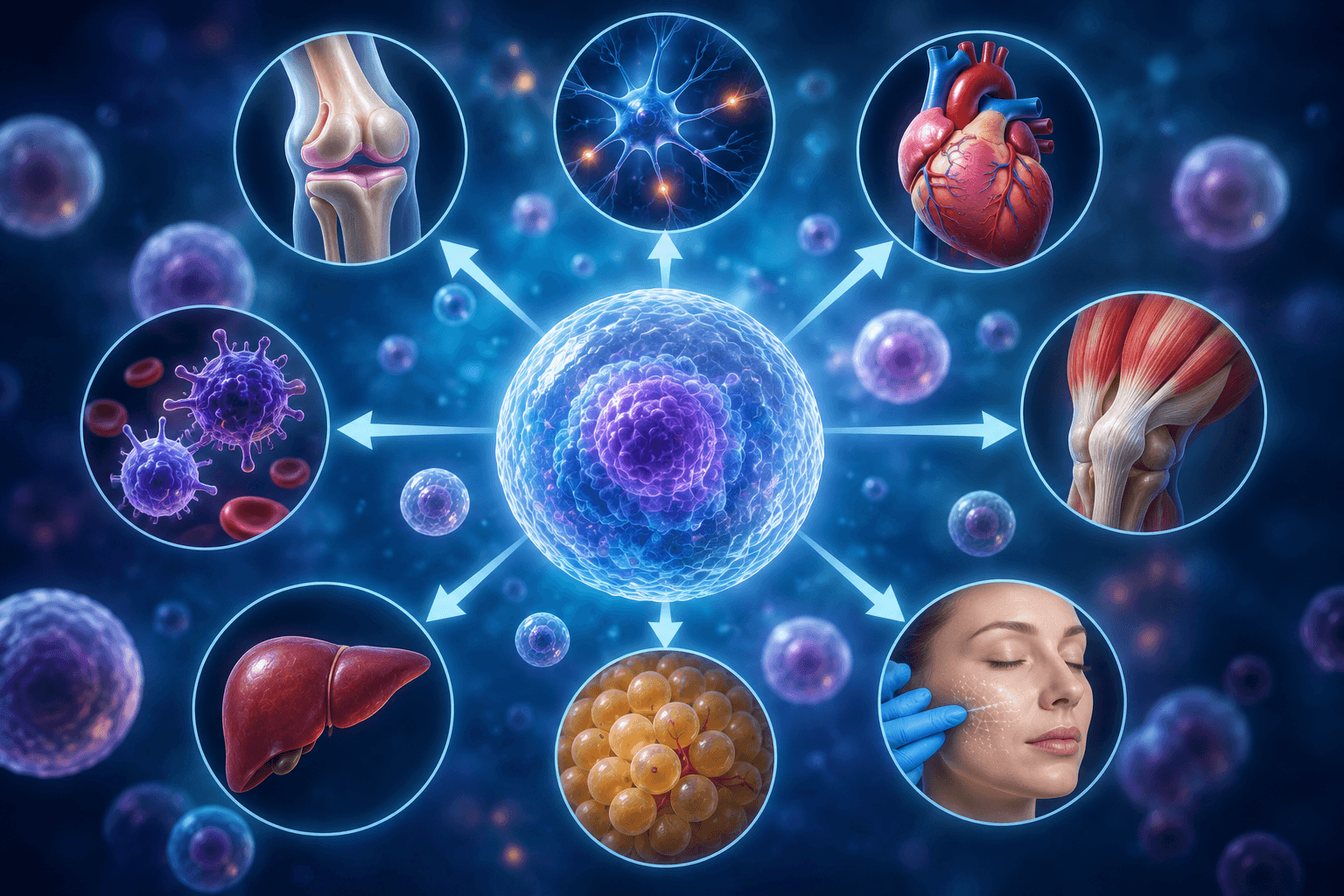
Regenerative medicine has significantly reshaped modern healthcare by introducing innovative therapeutic approaches that focus on enhancing the body’s natural healing and repair mechanisms. Among the most widely discussed regenerative treatments today are exosome therapy and stem cell therapy turkey. Both have gained substantial attention from patients, researchers, and healthcare professionals seeking advanced solutions for musculoskeletal disorders, neurological conditions, autoimmune diseases, anti-aging applications, immune system modulation, and tissue regeneration. Although these therapies share similar objectives, they differ significantly in their biological mechanisms, clinical applications, and treatment protocols. Understanding the differences between exosome therapy vs stem cell therapy is essential for patients exploring regenerative medicine options, particularly when seeking guidance through platforms such as Stemcell Consultancy in Turkey and worldwide.
Understanding Regenerative Medicine
Regenerative medicine is a rapidly advancing field focused on repairing, replacing, or regenerating damaged cells, tissues, and organs. Rather than merely managing symptoms, regenerative therapies aim to activate and support the body’s intrinsic biological healing processes at the cellular level.
Ongoing progress in biotechnology, cellular science, and tissue engineering has enabled healthcare professionals to develop innovative treatment strategies designed to enhance recovery, restore function, and improve long-term health outcomes. Among the most prominent regenerative approaches currently under investigation are stem cell therapy and exosome therapy, both of which are frequently evaluated and coordinated through specialized advisory services such as Stemcell Consultancy for international patients.
What Is Stem Cell Therapy?
Stem cell therapy involves the use of specialized cells that possess the unique ability to self-renew and differentiate into various cell types under specific biological conditions. These cells are extensively studied for their regenerative potential and their capacity to support tissue repair in damaged or diseased areas of the body.
Depending on the clinical protocol and patient evaluation, stem cells may be sourced from different tissues and prepared under strict medical and laboratory standards. Once administered, they may contribute to tissue repair through multiple biological mechanisms, including cellular signaling, immune modulation, and regenerative support.
Patients seeking structured guidance on treatment options can explore Stemcell Consultancy services alongside Stem Cell Therapy to better understand clinical pathways and eligibility criteria.
What Is Exosome Therapy?
Exosomes are nano-sized extracellular vesicles naturally secreted by cells. These microscopic particles act as biological messengers, carrying proteins, lipids, growth factors, and genetic material between cells throughout the body.
Exosome therapy utilizes these natural signaling vesicles to support intercellular communication and regenerative activity. Unlike stem cell therapy, exosome therapy does not involve living cells; instead, it delivers bioactive molecules that may influence inflammation regulation, tissue repair, and cellular function.
As research continues to evolve, exosome-based therapies are gaining increasing interest for their potential applications in regenerative medicine, orthopedics, neurology, wellness, and anti-aging treatments, often evaluated within coordinated care programs supported by Stemcell Consultancy.
How Stem Cell Therapy Works
Stem cells may contribute to healing through multiple biological pathways. They can respond to signals from damaged tissues, interact with surrounding cells, release growth factors, and help create a regenerative microenvironment.
Emerging research suggests that much of the therapeutic benefit associated with stem cell therapy may be attributed to paracrine signaling—bioactive molecules released by the cells—rather than direct tissue replacement alone. These signals help coordinate repair and regeneration processes within injured or inflamed tissues.
How Exosome Therapy Works
Exosomes function as key mediators of cellular communication. They transport biologically active molecules that regulate how cells interact and respond to their environment.
When introduced into targeted tissues, exosomes may support regenerative processes by influencing cellular behavior, enhancing communication between cells, and promoting a biological environment conducive to healing and recovery.
Because exosomes do not contain living cells, they represent a distinct and cell-free therapeutic modality within regenerative medicine.
Key Differences Between Exosome Therapy and Stem Cell Therapy
| Factor | Stem Cell Therapy | Exosome Therapy |
|---|---|---|
| Primary Component | Living regenerative cells | Cell-derived extracellular vesicles |
| Biological Function | Cellular regeneration and signaling | Primarily intercellular signaling |
| Living Cells | Yes | No |
| Mechanism of Action | Cell differentiation and paracrine effects | Signal delivery and cellular communication |
| Regenerative Potential | High | Supportive and modulatory |
| Research Status | Extensive clinical research | Rapidly expanding research field |
Potential Benefits of Stem Cell Therapy
- Supports tissue regeneration and repair
- May aid recovery in musculoskeletal conditions
- Contributes to biological healing processes
- Supports orthopedic and sports injury management
- Extensively studied across multiple medical disciplines
- Applied in various regenerative medicine protocols
Potential Benefits of Exosome Therapy
- Enhances cellular communication
- Supports regenerative signaling pathways
- Contains bioactive proteins and growth factors
- May contribute to tissue repair environments
- Increasingly used in wellness and anti-aging applications
- Expanding research across multiple specialties
Exosome therapy is increasingly popular among patients seeking regenerative support without the use of living cells, often with guidance from regenerative medicine coordinators such as Stemcell Consultancy.
Applications in Orthopedic Medicine
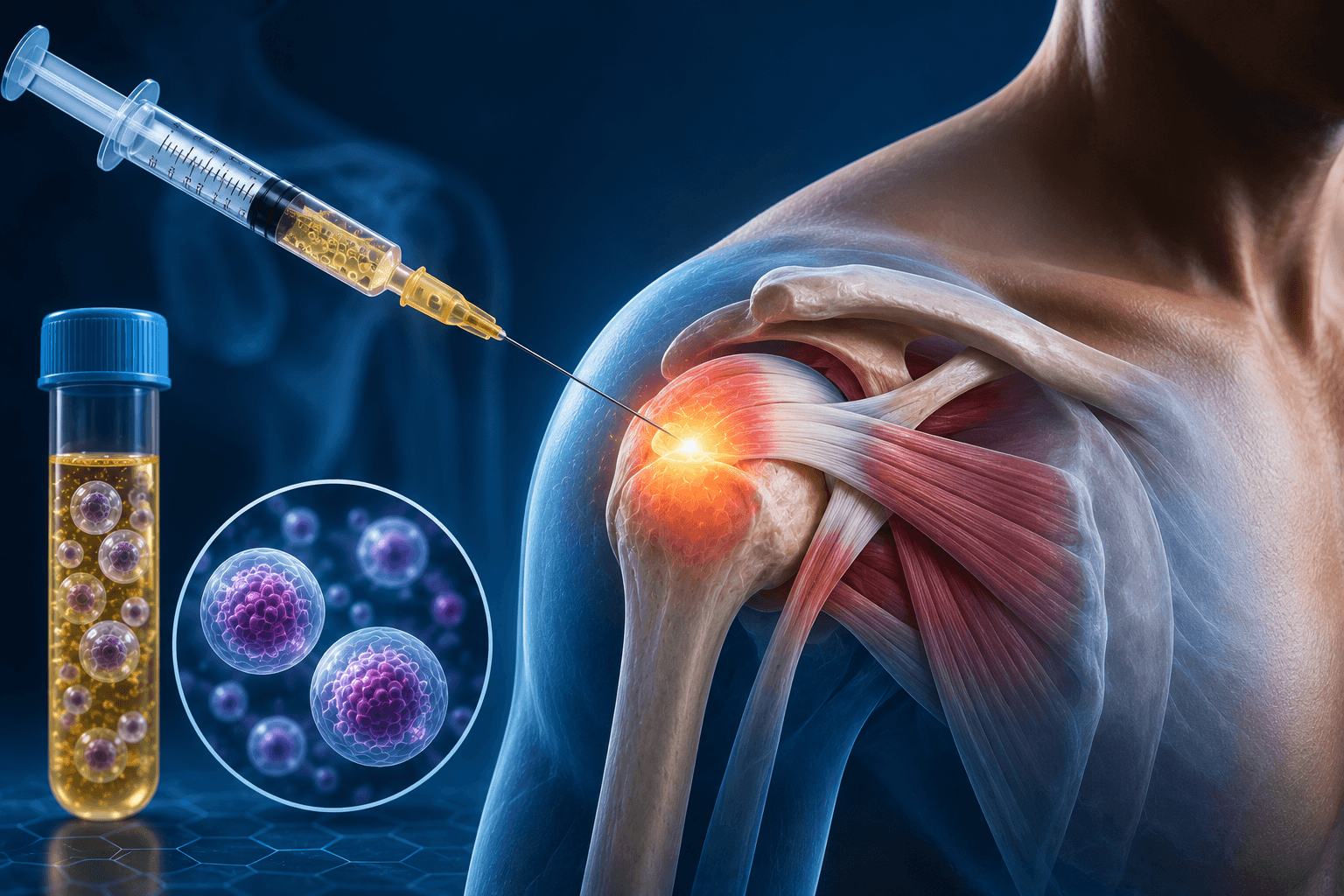
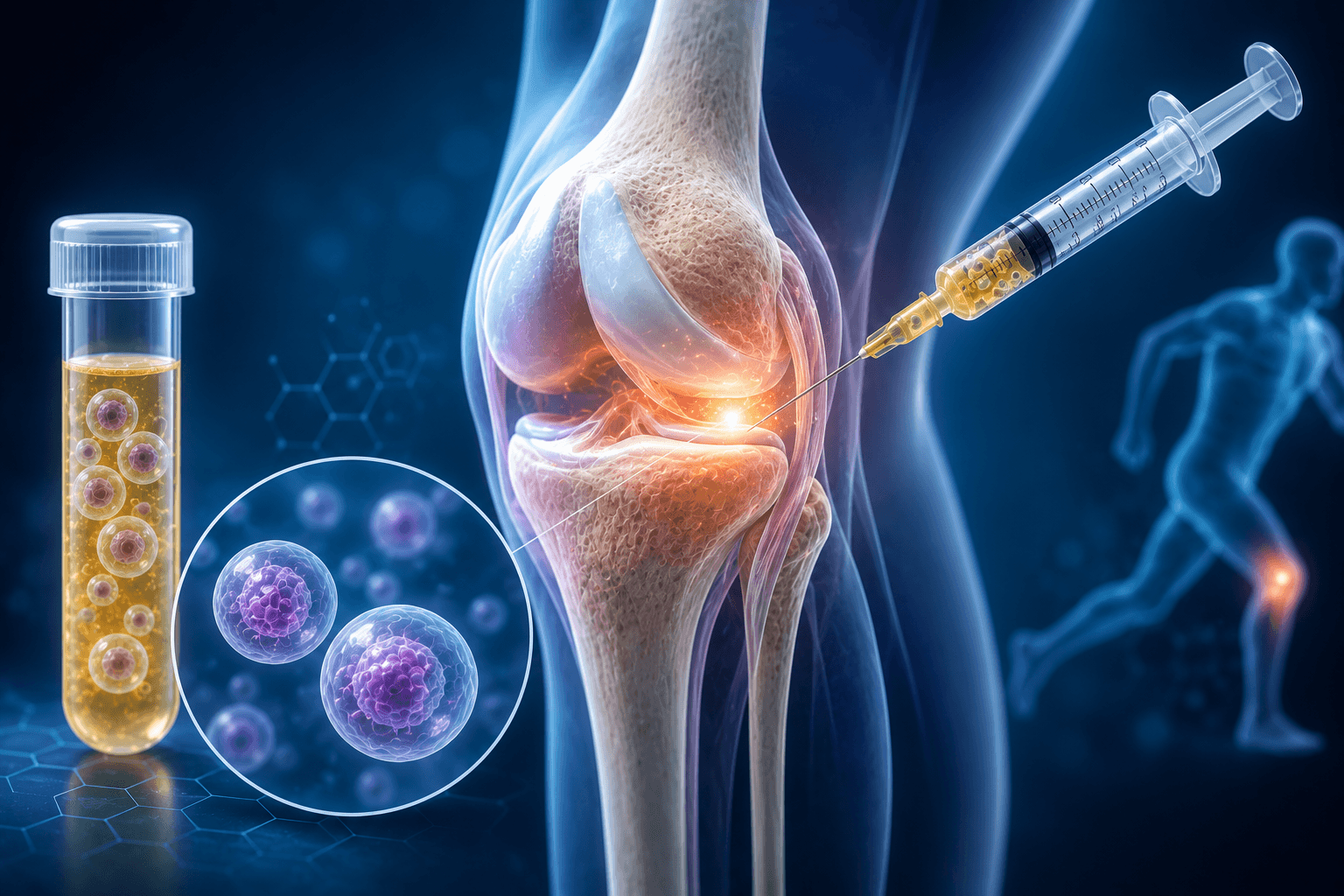
Both therapies are widely explored in orthopedic medicine. Conditions involving joints, cartilage, tendons, ligaments, and sports-related injuries often prompt interest in regenerative treatment options.
Healthcare professionals evaluate multiple factors such as injury severity, patient expectations, tissue integrity, and overall health when determining the most appropriate regenerative approach.
Applications in Neurological Conditions
The nervous system remains one of the most complex areas in regenerative medicine. Researchers continue to study both stem cell and exosome-based therapies for their potential roles in supporting neurological repair and nerve health.
Ongoing research investigates how these therapies may influence inflammation, neural signaling, tissue regeneration, and neuroprotective mechanisms in various neurological conditions.
Anti-Aging and Wellness Applications
One of the fastest-growing areas of regenerative medicine is longevity and wellness-focused treatment. Both stem cell and exosome therapies are increasingly discussed in anti-aging medicine due to their potential roles in supporting cellular health and tissue rejuvenation.
Patients interested in longevity-focused regenerative programs often seek treatment options in advanced medical centers in Istanbul and across Turkey, frequently coordinated with support from Stemcell Consultancy for international patient guidance.
Why Patients Choose Turkey for Regenerative Medicine
Turkey has become one of the leading global destinations for advanced regenerative medicine. International patients frequently travel to Istanbul due to its modern healthcare infrastructure, experienced medical professionals, and comprehensive patient care systems.
The combination of advanced technology, multidisciplinary expertise, and personalized treatment planning has positioned Turkey as a major hub for regenerative medicine and medical tourism, where services are often streamlined through consultancy platforms such as Stemcell Consultancy.
Frequently Asked Questions About Exosome Therapy vs Stem Cell Therapy
Which therapy is better?
Neither therapy is universally superior. The most appropriate option depends on the patient’s condition, medical history, and treatment objectives as determined by a qualified physician.
Can exosomes replace stem cells?
No. Exosomes and stem cells serve different biological roles. Stem cells provide regenerative capacity, while exosomes primarily facilitate cellular communication and signaling.
Are these therapies used together?
In some regenerative medicine protocols, clinicians may evaluate whether combining both approaches could enhance therapeutic outcomes depending on the patient’s needs.
Are both therapies available in Turkey?
Yes. Turkey is a recognized destination for advanced regenerative medicine, offering access to both stem cell and exosome-based therapies through specialized medical providers, often with patient coordination support from Stemcell Consultancy.
Choosing the Right Regenerative Medicine Approach
As regenerative medicine continues to advance, both exosome therapy and stem cell therapy remain at the forefront of scientific research and clinical innovation. Each approach offers distinct biological mechanisms and potential advantages depending on individual patient conditions. Through comprehensive medical evaluation, personalized treatment planning, and expert consultation—often facilitated by Stemcell Consultancy—patients can better understand which regenerative strategy aligns with their health goals. In Istanbul and across Turkey, access to advanced regenerative medicine services continues to attract individuals seeking innovative solutions for healing, recovery, and long-term wellness.
Latest Posts
Share
Quick Question