
What Are Natural Killer (NK) Cells? Their Role in the Immune System
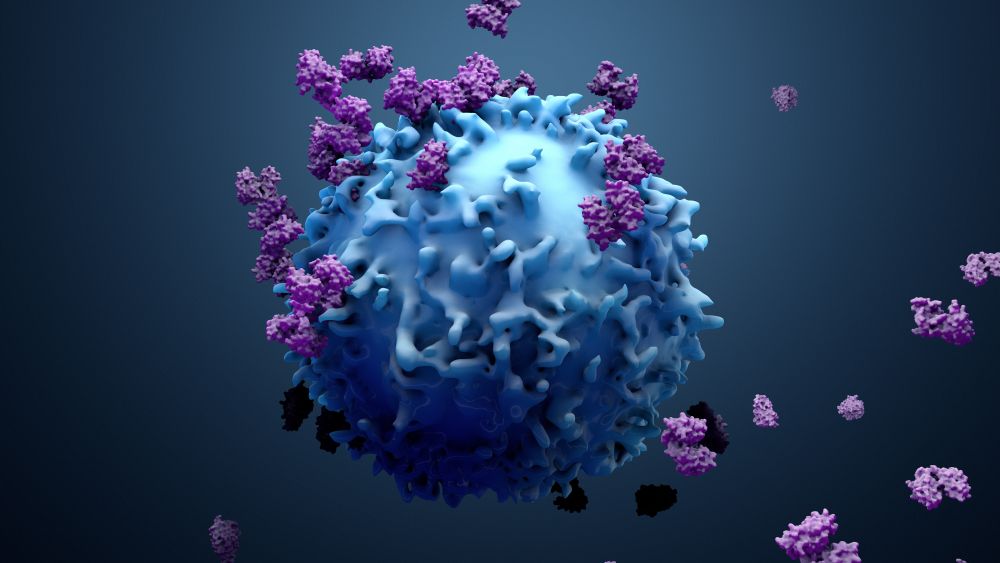
What Are Natural Killer (NK) Cells? Their Role in the Immune System
Natural Killer (NK) cells are immune cells that destroy infected and cancerous cells. Stemcell Consultancy uses NK-cell–based immunotherapy to provide advanced and personalized cancer treatment solutions.
Natural Killer cells, also known as NK cells, are specialized white blood cells that play a vital role in the immune system. They are part of the innate immune response and act as one of the body’s first lines of defense against virus-infected cells, abnormal cells, and malignant cancer cells.
Unlike some immune cells that require prior exposure to a specific pathogen, NK cells can respond quickly when they detect dangerous or abnormal cellular signals. This ability makes them especially important in immune surveillance, viral defense, and cancer-related immune activity.
NK cell therapy has become an important area of modern immunotherapy research because these cells can recognize and destroy certain cancer cells without needing the same antigen-specific activation required by T cells. At Stemcell Consultancy, NK-cell biology is evaluated within advanced, personalized immunotherapy planning for eligible patients, especially those exploring supportive cancer care options under medical supervision.
NK cell therapy should not be described as a guaranteed cancer cure. Its suitability, safety, and expected benefit depend on cancer type, disease stage, previous treatments, immune status, overall health, and the specific treatment protocol. Patients should always coordinate cancer treatment decisions with their oncologist.
To compare related immune-based treatment approaches, readers may also review Dendritic Cell Therapy: A Pioneering Immunotherapy for Cancer Treatmens and What Is CIK Therapy? How It Is Applied and How It Works in Cancer Treatments.
What Are NK Cells?
NK cells are lymphocytes, a family of white blood cells that also includes B cells and T cells. They are called “natural killer” cells because they can identify and attack abnormal cells without needing previous exposure to that exact target.
NK cells are produced mainly in the bone marrow and mature through complex immune signaling processes. Once active, they circulate through the bloodstream and lymphatic system, scanning the body for cells that show signs of infection, stress, mutation, or malignant transformation.
In a healthy immune system, NK cells help maintain immune balance by eliminating dangerous cells while avoiding healthy cells. This selective activity depends on a balance between activating and inhibitory signals.
What Do NK Cells Do?
NK cells help protect the body by recognizing and eliminating cells that may pose a threat. Their functions include both direct killing activity and immune communication.
NK cells may target:
- Virus-infected cells
- Malignant or mutated cancer cells
- Cells with abnormal surface markers
- Damaged or stressed tissues
- Cells with reduced self-identification signals
In addition to directly killing abnormal cells, NK cells release cytokines, which are messenger proteins that help activate and coordinate other immune cells. This means NK cells are not only attackers; they also help organize broader immune responses.
How NK Cells Work in the Immune System
NK cells continuously scan cells in the body and analyze surface markers to decide whether a cell is healthy or potentially dangerous. Their activity depends on a balance between inhibitory signals and activating signals.
Inhibition: How NK Cells Avoid Healthy Cells
Healthy cells usually express molecules known as MHC class I markers. These markers help identify the cell as part of the body. When NK cells detect normal MHC class I signaling, their killing function is usually turned off.
This mechanism helps prevent NK cells from attacking healthy tissues. It is one of the ways the immune system maintains self-tolerance and avoids unnecessary damage.
Activation: How NK Cells Recognize Abnormal Cells
NK cells become activated when they detect signs that a cell may be infected, stressed, or malignant.
Activation may occur when:
- The target cell has reduced MHC class I expression
- The target cell lacks normal self-recognition markers
- Cancer cells produce stress-related activating signals
- Virus-infected cells display abnormal immune signals
- The balance between inhibitory and activating signals favors attack
Many cancer cells reduce MHC class I expression to escape T-cell recognition. This can make them more visible to NK cells, which are designed to detect cells that are missing normal self-identification signals.
Destruction Mechanism: Perforin and Granzymes
Once an NK cell identifies a harmful target, it can destroy that cell using specialized molecules.
- Perforin: Creates pores in the target cell membrane.
- Granzymes: Enter through these pores and trigger programmed cell death.
This process allows NK cells to eliminate dangerous cells in a controlled way. Activated NK cells may also release cytokines such as interferon-gamma, which helps alert and activate other parts of the immune system.
Where Are NK Cells Found?
NK cells develop mainly in the bone marrow and then migrate throughout the body. They can be found in the blood, lymphatic tissues, and several organs.
NK cells may be present in:
- Bone marrow
- Bloodstream
- Lymph nodes
- Spleen
- Tonsils
- Thymus-related immune regions
- Liver
- Lungs
- Other tissues involved in immune surveillance
NK cells generally represent a smaller but highly active part of circulating lymphocytes. Their number and activity can vary depending on age, infection history, stress, inflammation, chronic disease, cancer status, medications, and immune function.
NK Cells and Cancer Immunotherapy
Cancer cells can sometimes avoid detection by the immune system. They may reduce immune-recognition markers, create an immunosuppressive tumor environment, or interfere with immune cell activity. NK cell-based immunotherapy is being studied because NK cells have natural anti-tumor activity and may recognize abnormal cells through mechanisms different from T cells.
NK cell therapy may be explored in cancer care with the goal of supporting the immune system’s ability to recognize and attack malignant cells. This approach may involve collecting, activating, expanding, or modifying NK cells before administration, depending on the protocol.
NK cell-based strategies are being researched in several cancer types, including hematologic cancers and solid tumors. However, response rates, safety, and effectiveness may differ significantly depending on the cancer type, tumor biology, previous treatments, and patient immune status.
Types of NK Cell-Based Therapy
Not all NK cell therapies are the same. Different approaches may be used depending on the patient, cancer type, laboratory capacity, and clinical protocol.
Autologous NK Cell Therapy
Autologous NK cell therapy uses the patient’s own NK cells. These cells may be collected, activated, expanded in a laboratory, and then returned to the patient.
This approach uses the patient’s own immune cells, but in some cancer patients, NK cell function may already be weakened by the disease, previous treatments, or immune suppression. This can affect the strength of the response.
Allogeneic NK Cell Therapy
Allogeneic NK cell therapy uses NK cells from a healthy donor or a compatible biological source. These cells may have stronger activity in certain settings, but donor compatibility, safety, immune reaction risk, and quality controls are very important.
Allogeneic NK cell therapy should be performed only under appropriate medical supervision and regulatory conditions.
Activated or Expanded NK Cells
In many protocols, NK cells are activated or expanded outside the body before being administered. This process aims to increase the number and functional activity of NK cells.
Laboratory activation may involve controlled culture conditions, cytokines, and quality testing. The goal is to prepare NK cells with sufficient viability, purity, and functional potential.
CAR-NK Cell Therapy
CAR-NK therapy is an advanced form of cellular immunotherapy in which NK cells are genetically modified to recognize specific markers on cancer cells. CAR-NK therapy is an active research area and may have potential advantages, but it is not the same as standard NK cell infusion.
Because CAR-NK therapy involves genetic modification and advanced cell engineering, it requires strict clinical trial or regulatory oversight.
How NK Cell Therapy May Support Cancer Care
NK cell therapy is being studied for its potential to support cancer care through several immune mechanisms. These mechanisms focus on helping immune cells recognize and attack abnormal cells more effectively.
Potential mechanisms include:
- Direct tumor cell killing: NK cells may identify and destroy abnormal cells through perforin and granzyme pathways.
- Immune signaling: NK cells release cytokines that may help activate broader immune responses.
- Recognition of low MHC-I cells: Some cancer cells reduce MHC-I expression to avoid T cells, which may make them more visible to NK cells.
- Antibody-dependent cellular cytotoxicity: NK cells can work with certain antibody therapies by recognizing antibody-coated cancer cells.
- Support of immune surveillance: NK cells may help monitor and respond to abnormal cellular changes.
These mechanisms are promising, but NK cell therapy should be evaluated as part of a complete oncology plan. It should not replace surgery, chemotherapy, radiotherapy, targeted therapy, immunotherapy, or other standard treatments when those are medically indicated.
Conditions Associated With NK Cells
NK cells are involved in immune defense, inflammation, viral control, and cancer surveillance. Abnormal NK cell number or function may contribute to increased susceptibility to certain infections or impaired immune surveillance.
NK cell activity may be relevant in:
- Viral infections
- Cancer immune surveillance
- Autoimmune diseases
- Chronic inflammatory conditions
- Asthma
- Inflammatory bowel disease
- Immune deficiency conditions
- Some reproductive and pregnancy-related immune processes
However, NK cell involvement does not mean NK cell therapy is automatically appropriate for every immune-related condition. Suitability must be evaluated carefully according to diagnosis, immune status, and medical risk factors.
NK Cell Deficiencies
NK cell deficiencies are rare immune disorders that affect NK cell number or function. These conditions can increase vulnerability to certain viral infections and immune complications.
Classical NK Cell Deficiency
Classical NK cell deficiency is characterized by very low or absent NK cell numbers. In this condition, NK cells may represent less than 1% of circulating lymphocytes.
Functional NK Cell Deficiency
Functional NK cell deficiency occurs when NK cells are present in the body but do not work properly. The number of NK cells may appear normal, but their ability to kill abnormal cells or respond to immune signals may be impaired.
Both classical and functional NK cell deficiencies may increase vulnerability to viruses such as:
- Human papillomavirus
- Herpesviruses
- Cytomegalovirus
- Epstein-Barr virus
- Varicella-zoster virus
Patients with suspected immune deficiency should be evaluated by immunology specialists. NK cell therapy for cancer is different from the diagnosis and management of genetic NK cell deficiency.
Stemcell Consultancy’s Perspective on NK Cell Therapy
Stemcell Consultancy integrates NK-cell biology into personalized immunotherapy planning for eligible patients. The approach focuses on immune evaluation, cancer history, previous treatments, laboratory quality, safety, and realistic expectations.
NK cell-based approaches may be considered as part of a broader cancer support strategy when medically appropriate. The goal is to support the body’s immune recognition mechanisms and provide a personalized cellular therapy pathway under professional supervision.
Stemcell Consultancy’s approach may include:
- Personalized immune assessment
- Review of cancer diagnosis and treatment history
- Evaluation of immune function and overall health
- Cellular therapy planning when appropriate
- NK cell activation or expansion protocols when available and suitable
- Integration with oncology care
- Safety-focused monitoring and follow-up
- Transparent explanation of benefits, risks, and limitations
The aim is not to make unrealistic promises, but to help patients understand whether NK cell-based immunotherapy may be a suitable supportive option within their overall treatment plan.
How the NK Cell Therapy Process Works
NK cell therapy requires a structured process because it involves immune evaluation, laboratory preparation, medical monitoring, and follow-up. At Stemcell Consultancy, each stage is personalized according to patient needs and medical suitability.
1. Specialist Evaluation
The first step is a detailed medical evaluation. The patient’s diagnosis, cancer type, disease stage, previous treatments, immune status, blood results, imaging reports, medications, and overall health are reviewed.
The evaluation may include:
- Review of oncology diagnosis
- Previous surgery, chemotherapy, radiotherapy, or immunotherapy history
- Recent imaging and tumor marker results when available
- Blood count and immune profile evaluation
- Liver and kidney function tests
- Infection screening when required
- Medication and supplement review
- Performance status assessment
- Risk-benefit evaluation
This stage helps determine whether NK cell therapy may be appropriate or whether standard oncology treatment should be prioritized.
2. Consultation and Personalized Planning
After the evaluation, patients receive a consultation in which treatment options, expected outcomes, possible risks, limitations, preparation timeline, and follow-up plan are explained.
The personalized plan may consider:
- Cancer type and biology
- Stage of disease
- Immune system condition
- Previous treatment response
- Current symptoms and performance status
- Laboratory findings
- Patient goals and expectations
- Coordination with the patient’s oncology team
Patients should understand that NK cell therapy may be supportive or investigational depending on the setting and should not delay evidence-based cancer treatment.
3. NK Cell Collection or Source Selection
Depending on the protocol, NK cells may be obtained from the patient or from a suitable donor/source. The selected approach depends on medical suitability, laboratory availability, immune status, and protocol design.
Autologous protocols use the patient’s own cells, while allogeneic protocols use donor-derived cells. Each option has different safety, potency, compatibility, and regulatory considerations.
4. Laboratory Activation and Expansion
After cell collection or source selection, NK cells may be processed in a controlled laboratory setting. The goal is to obtain a cell product with appropriate viability, purity, and functional activity.
Laboratory preparation may include:
- Cell isolation
- Activation under controlled conditions
- Expansion to increase cell number
- Viability testing
- Sterility and contamination testing
- Functional quality assessment when applicable
- Documentation according to relevant standards
Quality control is critical in cellular therapy. Patients should ask about laboratory standards, testing procedures, traceability, and product documentation.
5. Treatment Administration
On the treatment day, the patient is evaluated again before administration. The NK cell product is delivered according to the planned protocol in a controlled medical environment.
Administration may involve:
- Pre-treatment medical check
- Vital sign monitoring
- Infusion of prepared NK cells when appropriate
- Observation during and after treatment
- Management of any infusion-related reactions
- Post-treatment instructions
The exact application method and schedule depend on the protocol and patient condition. Some protocols may involve multiple sessions, while others may be combined with other cancer treatments under specialist guidance.
6. Follow-Up and Response Monitoring
Follow-up is essential after NK cell therapy. The medical team monitors safety, symptoms, immune response, laboratory results, and disease-related indicators.
Follow-up may include:
- Blood tests
- Immune monitoring
- Side effect assessment
- Review of energy level and overall well-being
- Imaging review when scheduled by oncology care
- Tumor marker monitoring when relevant
- Coordination with oncologists
- Evaluation for additional supportive sessions when appropriate
Response should be evaluated objectively and in coordination with standard oncology follow-up. Subjective improvement alone is not enough to determine cancer response.
Potential Benefits of NK Cell Therapy
NK cell therapy may offer potential benefits for selected patients, depending on diagnosis, immune status, cancer type, and treatment protocol.
Potential benefits may include:
- Support for anti-tumor immune activity
- Enhanced immune surveillance
- Potential support alongside antibody-based therapies in selected protocols
- Personalized immunotherapy planning
- Support for immune system communication
- Potential reduction of immune escape in selected cancer settings
- Compatibility with broader oncology care when medically appropriate
These are potential benefits and should not be interpreted as guaranteed outcomes. Cancer response can vary significantly between patients and cancer types.
Which Patients May Be Considered for NK Cell Therapy?
NK cell therapy may be considered for selected patients after detailed evaluation. It is not automatically suitable for every cancer patient or immune-related condition.
Potential candidates may include individuals who:
- Have a confirmed cancer diagnosis under oncology care
- Are exploring supportive immunotherapy options
- Have sufficient general health for cellular therapy
- Have laboratory results that allow safe treatment planning
- Have completed or are coordinating standard treatment with an oncologist
- Have realistic expectations about possible outcomes
- Can attend follow-up visits and monitoring
- Understand the investigational or protocol-dependent nature of NK cell therapy
The best candidates are usually those with a clear diagnosis, stable enough medical condition, measurable treatment goals, and ongoing oncology supervision.
Who May Not Be Suitable?
NK cell therapy may be postponed or avoided in certain situations. Suitability must be assessed individually.
Patients may not be suitable if they have:
- Uncontrolled active infection
- Severe uncontrolled autoimmune disease
- Severe organ failure
- Unstable cardiovascular disease
- Severe liver or kidney dysfunction
- Uncontrolled bleeding disorder
- Very poor performance status
- Severe uncontrolled inflammatory condition
- Recent major surgery without recovery
- Pregnancy or breastfeeding
- Uncontrolled cancer-related complications requiring urgent standard care
- Unrealistic expectations of guaranteed cure
- Refusal to coordinate with oncology care
In these cases, stabilization, standard oncology treatment, infection control, or alternative care planning may be necessary before any cellular therapy is considered.
Safety and Possible Side Effects
NK cell therapy should be performed only under medical supervision with quality-controlled cell products. Safety depends on patient selection, cell source, laboratory standards, dose, activation method, administration route, and monitoring.
Possible side effects may include:
- Temporary fever or chills
- Fatigue
- Headache
- Nausea
- Infusion-related reactions
- Temporary changes in blood pressure
- Inflammatory symptoms
- Allergic reactions in rare cases
- Laboratory abnormalities depending on patient condition
More serious immune-related reactions are possible with some advanced cellular therapies, especially when combined with other immunotherapy agents. Patients should be monitored carefully and should report fever, breathing difficulty, severe weakness, confusion, chest pain, severe allergic symptoms, or unexpected reactions immediately.
NK Cell Therapy and Standard Cancer Treatment
NK cell therapy should not be viewed as a replacement for established cancer treatments. Surgery, chemotherapy, radiotherapy, targeted therapy, checkpoint inhibitors, antibody therapies, hormone therapy, and other standard oncology treatments may be essential depending on the cancer type and stage.
In selected cases, NK cell therapy may be considered as a complementary or investigational immunotherapy strategy. It should be coordinated carefully with the oncology team to avoid delaying effective standard treatment or creating unsafe treatment combinations.
Patients should ask their oncologist and regenerative medicine team how NK cell therapy may interact with current medications, immune checkpoint inhibitors, chemotherapy timing, steroid use, infection risk, and planned imaging or lab monitoring.
How Soon Can Results Be Expected?
The response timeline varies significantly. Some patients may notice changes in energy, immune-related symptoms, or general well-being within weeks, but cancer response must be evaluated using objective medical criteria such as imaging, tumor markers, clinical examination, and oncology assessment.
A general follow-up timeline may include:
- First few days: Monitoring for infusion reactions, fever, fatigue, or other temporary symptoms.
- First 2–6 weeks: General tolerance, immune response, and laboratory trends may be reviewed.
- 6–12 weeks: Disease response may be evaluated according to oncology follow-up plans.
- 3–6 months: Longer-term response patterns, quality of life, and treatment strategy may be reassessed.
Patients should understand that immune-based therapies may not produce immediate visible changes. In some cases, the goal may be immune support, disease stabilization, or integration into a broader treatment plan rather than rapid tumor shrinkage.
How Patients Can Support Immune Health
NK cell therapy and cancer immunotherapy may be influenced by overall health, nutrition, sleep, stress, infection status, and treatment timing. Patients should follow medical guidance rather than relying on unverified immune-boosting claims.
Helpful supportive strategies may include:
- Following the oncology treatment plan
- Maintaining adequate nutrition and protein intake
- Managing sleep and fatigue
- Preventing infections when immune function is reduced
- Avoiding smoking
- Limiting alcohol intake when medically advised
- Staying physically active within safe limits
- Managing stress with evidence-based methods
- Reviewing supplements with the medical team
- Keeping vaccination status updated when appropriate
- Attending all follow-up appointments
Patients should avoid starting supplements, high-dose vitamins, herbal products, or alternative cancer therapies without discussing them with their medical team, as some may interfere with cancer treatment or increase risk.
Questions to Ask Before NK Cell Therapy
Before starting NK cell therapy, patients should receive clear and transparent information. Important questions include:
- Is this therapy appropriate for my cancer type and stage?
- Is the treatment approved, investigational, or offered under a specific protocol?
- Are the NK cells autologous or allogeneic?
- How are the cells collected, activated, expanded, and tested?
- What laboratory quality standards are followed?
- What are the possible risks and side effects?
- How will treatment response be measured?
- Will this therapy interact with chemotherapy, immunotherapy, or targeted therapy?
- How will my oncologist be involved?
- What follow-up tests will be needed?
- What outcomes are realistic in my situation?
Clear answers to these questions help patients make informed decisions and avoid unrealistic expectations.
Why Choose Stemcell Consultancy?
Stemcell Consultancy provides personalized guidance for patients exploring NK cell-based immunotherapy options. The approach focuses on careful evaluation, safety, transparency, laboratory quality, and follow-up.
Key advantages include:
- Personalized immune and medical assessment
- Review of cancer diagnosis and previous treatments
- Cellular therapy options when medically appropriate
- Quality-focused laboratory preparation standards
- Transparent explanation of benefits and limitations
- Patient-centered planning
- Follow-up monitoring and ongoing support
- Coordination with oncology care whenever possible
- Realistic expectation management
The goal is to support the body’s immune recognition capacity through responsible, personalized, and medically supervised cellular therapy planning.
Frequently Asked Questions About NK Cell Therapy
Can NK cell therapy cure cancer?
NK cell therapy should not be described as a guaranteed cure for cancer. It is a promising area of cancer immunotherapy research and may support anti-tumor immune activity in selected patients, but outcomes vary depending on cancer type, stage, immune status, and treatment protocol.
Is NK cell therapy the same as stem cell therapy?
No. NK cells are immune cells, while stem cells are regenerative cells with different biological roles. NK cell therapy is a form of cellular immunotherapy, not the same as mesenchymal stem cell therapy.
How do NK cells kill cancer cells?
NK cells recognize abnormal cellular signals, especially when cells have reduced MHC class I expression or stress markers. They can release perforin and granzymes to trigger programmed death of the target cell.
What is the difference between NK cells and T cells?
T cells usually require antigen-specific activation, while NK cells can respond more quickly through innate immune recognition. Both play important roles in anti-cancer immunity, but they work through different mechanisms.
What is CAR-NK therapy?
CAR-NK therapy involves modifying NK cells with chimeric antigen receptors so they can recognize specific targets on cancer cells. It is an advanced area of cellular therapy research and requires strict medical and regulatory oversight.
Is NK cell therapy suitable for every cancer patient?
No. Suitability depends on cancer type, disease stage, immune function, previous treatments, organ function, infection status, and overall health. A detailed evaluation is necessary.
Can NK cell therapy be combined with chemotherapy or immunotherapy?
In selected cases, NK cell therapy may be considered alongside other treatments, but timing and safety must be carefully coordinated with the oncology team.
Are donor NK cells safe?
Donor-derived NK cells may be used in certain protocols, but safety depends on donor screening, compatibility, laboratory preparation, dose, monitoring, and regulatory standards. Patients should ask about all safety controls.
How many sessions are needed?
The number of sessions depends on the protocol, cancer type, patient condition, and response monitoring. Some patients may receive one course, while others may be evaluated for repeated applications.
What side effects can occur?
Possible side effects may include fatigue, fever, chills, headache, nausea, infusion reactions, temporary inflammatory symptoms, or laboratory changes. Serious reactions are less common but require medical monitoring.
How is treatment response measured?
Response should be measured objectively through oncology follow-up, imaging, tumor markers, clinical examination, lab tests, and symptom tracking. Feeling better alone does not confirm cancer response.
Can NK cell therapy replace standard oncology treatment?
No. NK cell therapy should not replace standard cancer treatments when they are medically indicated. It should be discussed as part of a broader oncology care plan.
A Personalized Immunotherapy Approach With NK Cells
Natural Killer cells are powerful components of the innate immune system. Their ability to recognize abnormal cells, release cytotoxic molecules, and coordinate immune signaling makes them an important focus in cancer immunotherapy research.
NK cell therapy may offer supportive potential for selected patients by strengthening anti-tumor immune activity and improving immune surveillance. However, it should always be approached with realistic expectations, careful patient selection, quality-controlled laboratory preparation, and professional medical supervision.
Stemcell Consultancy provides individualized evaluation and NK cell-based immunotherapy planning for eligible patients seeking advanced cellular therapy options. The goal is to support immune function, improve treatment personalization, and help patients make informed decisions within a responsible medical framework.
Patients interested in NK cell therapy can contact Stemcell Consultancy to begin a personalized evaluation and learn whether an NK cell-based immunotherapy protocol may be suitable for their condition.
This content is for informational purposes only and does not replace medical diagnosis, cancer treatment, or professional medical advice. NK cell therapy and other cellular immunotherapies may not be suitable for everyone, and outcomes can vary depending on cancer type, stage, immune status, previous treatments, laboratory quality, treatment protocol, and oncology follow-up. Patients should consult qualified healthcare professionals and coordinate all cancer-related decisions with their oncology team.
Quick Question