
Rheumatoid Arthritis and Stem Cells
13
Jun
Rheumatoid Arthritis and Stem Cells
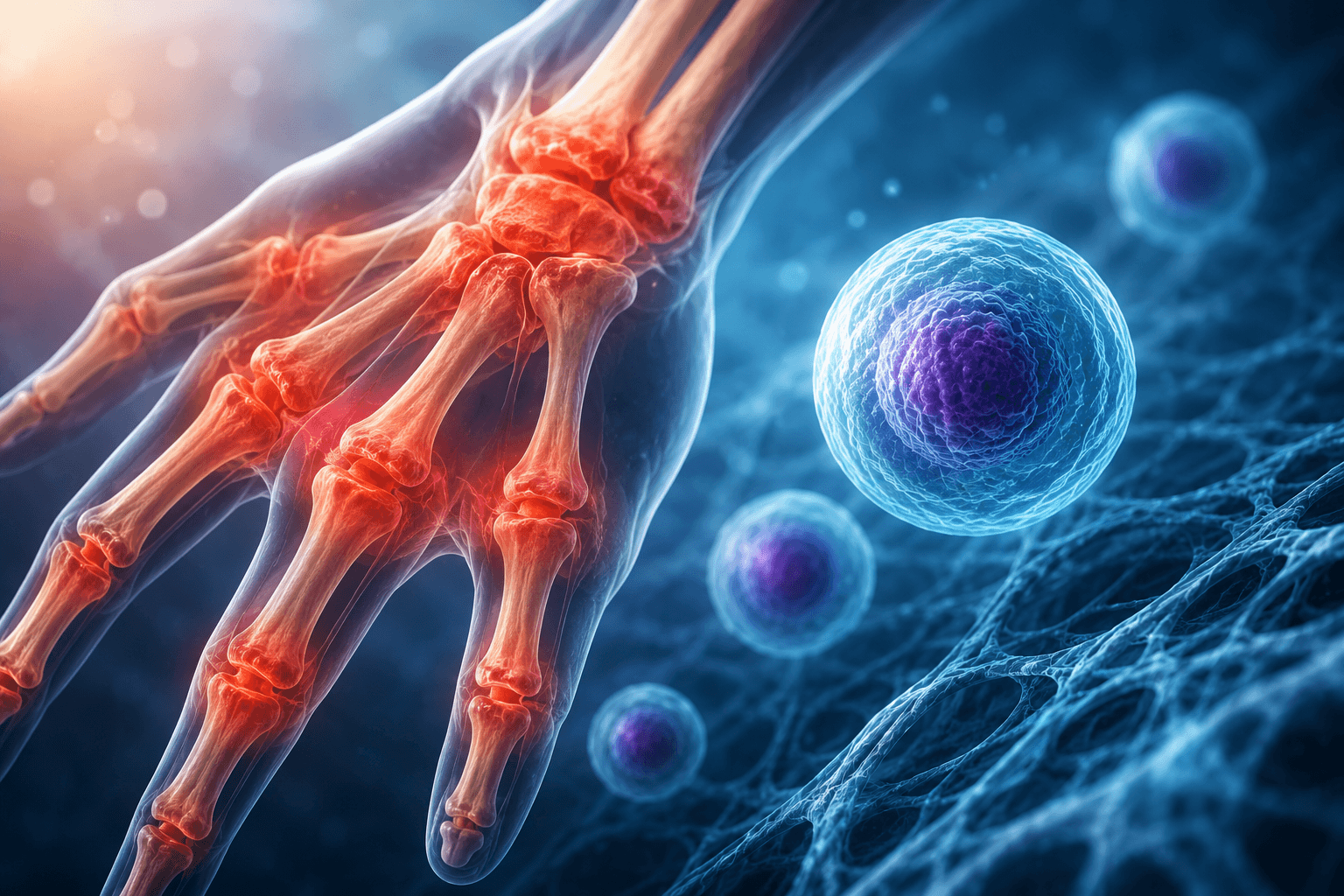
Rheumatoid arthritis is a chronic autoimmune disease that primarily affects the joints, causing inflammation, pain, stiffness, and progressive tissue damage. Unlike osteoarthritis, which results from wear and tear over time, rheumatoid arthritis occurs when the immune system mistakenly attacks healthy joint tissues. As regenerative medicine continues to advance, increasing attention has been focused on the potential role of stem cells in supporting tissue repair and immune system regulation. This growing interest has led many patients to explore innovative treatment options beyond conventional medications.
Among international patients seeking advanced regenerative medicine solutions, stem cell therapy Turkey has become a widely searched term due to the availability of personalized treatment programs, experienced medical professionals, and modern healthcare facilities. Understanding the relationship between rheumatoid arthritis and stem cell applications can help patients make informed decisions when evaluating potential treatment pathways.
Understanding Rheumatoid Arthritis
Rheumatoid arthritis is an autoimmune disorder in which the body's immune system attacks the synovial lining of the joints. This persistent inflammatory response can gradually damage cartilage, bone, and surrounding connective tissues. While the condition most commonly affects the hands, wrists, knees, and feet, it may also impact other organs, including the heart, lungs, eyes, and blood vessels.
Symptoms often develop gradually and may include joint pain, swelling, morning stiffness, fatigue, and reduced mobility. The severity of the disease varies significantly from one individual to another, making personalized treatment strategies essential for long-term management.
Why Are Stem Cells Being Studied for Rheumatoid Arthritis?
Traditional rheumatoid arthritis treatments typically focus on reducing inflammation, suppressing immune activity, and slowing disease progression. Although many patients benefit from these approaches, some continue to experience ongoing symptoms or progressive joint deterioration. As a result, researchers have been exploring regenerative medicine strategies that may complement existing treatment options.
Stem cells have attracted attention because of their ability to interact with surrounding tissues and potentially influence biological repair processes. Certain types of stem cells are also being studied for their immunomodulatory properties, meaning they may help regulate immune system activity. These characteristics have made stem cell-based therapies an area of significant interest in rheumatoid arthritis research.
The Role of Inflammation in Joint Damage
Chronic inflammation is the primary driver of joint destruction in rheumatoid arthritis. Over time, inflammatory molecules released by the immune system can damage cartilage, weaken bone structures, and impair normal joint function. Persistent inflammation may also contribute to systemic complications beyond the musculoskeletal system.
Researchers continue to investigate how regenerative medicine approaches may interact with inflammatory pathways. Understanding these biological mechanisms is critical for developing future treatment strategies aimed at preserving joint health and maintaining mobility.
Stem Cells and Immune System Regulation
One of the most promising areas of stem cell research involves their potential influence on immune system behavior. Since rheumatoid arthritis is fundamentally an autoimmune disease, therapies that support balanced immune responses are of particular interest. Ongoing studies are examining how specific stem cell populations communicate with immune cells and contribute to the body's natural regulatory processes.
While research is continuing to evolve, these investigations have helped establish regenerative medicine as an important field within modern autoimmune disease research. Patients interested in innovative treatment options often seek professional guidance to better understand current developments and available therapies.
Potential Benefits of Regenerative Medicine Approaches
Regenerative medicine focuses on supporting the body's natural repair mechanisms rather than solely addressing symptoms. For individuals living with rheumatoid arthritis, maintaining joint function and preserving quality of life remain primary goals. This comprehensive perspective has encouraged growing interest in advanced therapeutic technologies.
Patients exploring regenerative solutions frequently review available options through resources such as stem cell therapy programs to gain a better understanding of treatment methodologies, eligibility requirements, and clinical evaluation processes.
The Importance of Personalized Assessment
Every rheumatoid arthritis patient experiences the disease differently. Factors such as age, disease duration, overall health, severity of joint damage, and previous treatments can significantly influence treatment planning. For this reason, a thorough medical assessment is considered an essential step before any regenerative medicine procedure is considered.
Healthcare professionals typically review medical history, imaging studies, laboratory results, and current treatment regimens before developing a personalized care plan. This individualized approach helps ensure that each patient receives recommendations tailored to their specific condition and health objectives.
Comprehensive Treatment Strategies
Effective rheumatoid arthritis management often involves multiple components, including medication, physical therapy, exercise, nutritional support, and lifestyle modifications. Regenerative medicine approaches may be evaluated as part of a broader treatment strategy designed to address both immediate symptoms and long-term health goals.
Patients seeking advanced care options frequently explore specialized disease treatment programs that combine medical expertise with individualized therapeutic planning. Such programs aim to provide a comprehensive framework for managing complex chronic conditions.
Future Perspectives for Rheumatoid Arthritis and Stem Cells
Scientific interest in stem cell applications for autoimmune diseases continues to expand as researchers seek new ways to understand immune regulation and tissue repair. Ongoing clinical studies are contributing valuable insights into the biological mechanisms that may shape future regenerative medicine treatments.
As medical technology advances, interest in stem cell therapy Turkey continues to grow among patients seeking innovative healthcare solutions. While research remains ongoing, comprehensive medical evaluation and expert consultation remain the most important steps in determining whether regenerative medicine may be appropriate for an individual's specific healthcare needs.
Latest Posts
Share
Quick Question