
Nerve Regeneration with Stem Cells
11
Jun
Nerve Regeneration with Stem Cells
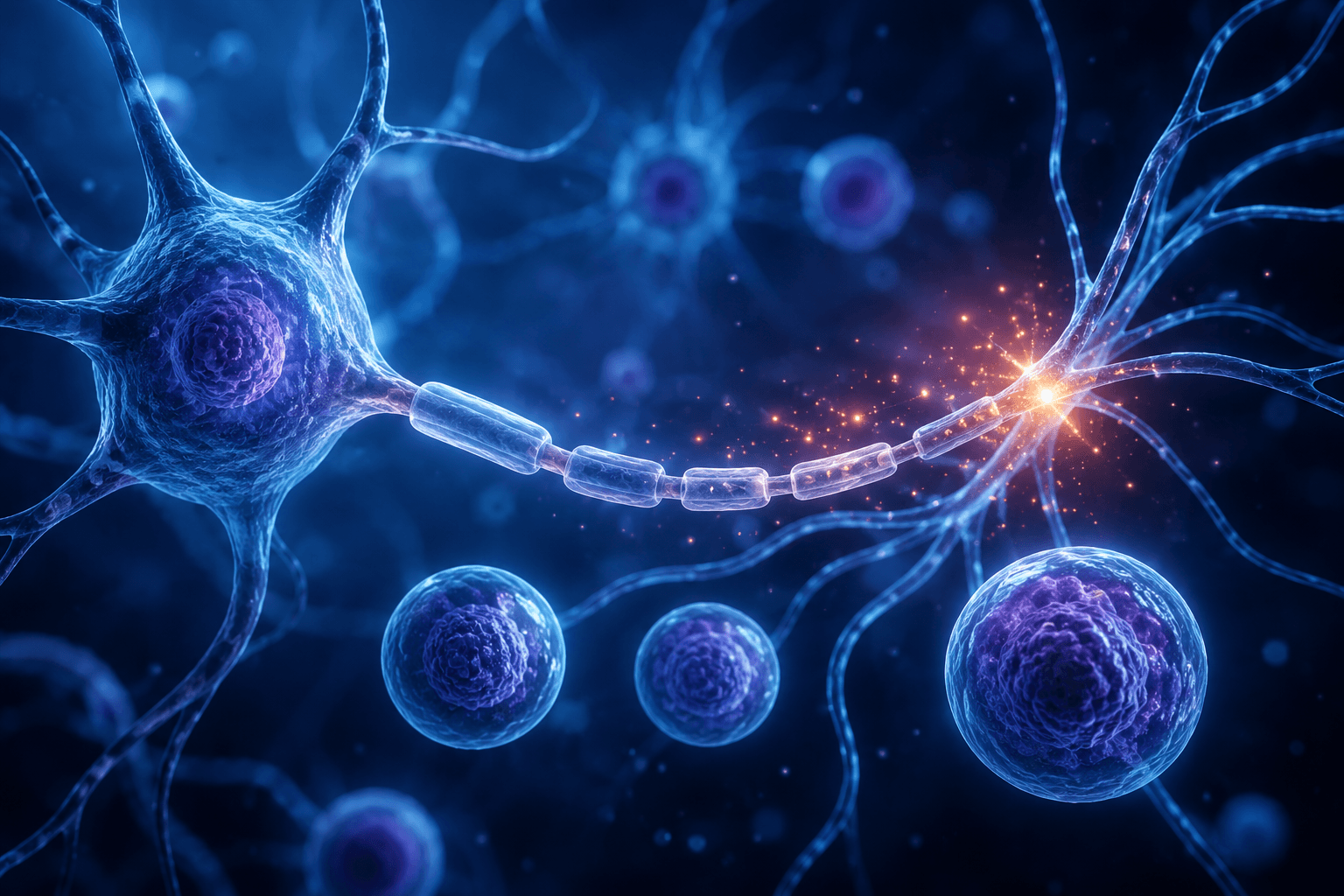
The nervous system plays a vital role in controlling movement, sensation, cognition, and communication between different parts of the body. When nerves become damaged due to injury, disease, aging, or chronic inflammation, recovery can be slow and often incomplete. Traditional treatment methods typically focus on symptom management, rehabilitation, and preventing further deterioration. However, advances in regenerative medicine have introduced new possibilities that aim to support the body's natural healing mechanisms. Among these developments, stem cell therapy has emerged as one of the most promising approaches for nerve regeneration and neurological recovery.
Growing global interest in regenerative medicine has encouraged many patients to explore innovative treatment options abroad. As a result, stem cell therapy Turkey has become an increasingly popular search term among individuals seeking advanced therapies, experienced specialists, and personalized treatment programs. Understanding how stem cells may contribute to nerve regeneration can help patients make more informed healthcare decisions while exploring modern regenerative medicine solutions.
Understanding Nerve Damage and Why Regeneration Is Challenging
Nerves are responsible for transmitting electrical signals throughout the body, allowing muscles to move, organs to function properly, and the brain to process sensory information. Damage to these delicate structures can occur through traumatic injuries, surgical complications, degenerative diseases, metabolic disorders, infections, or prolonged inflammation. Depending on the affected area, nerve damage may result in chronic pain, numbness, tingling sensations, muscle weakness, reduced coordination, mobility limitations, or even partial loss of function.
Unlike many other tissues within the human body, nerve tissue possesses limited regenerative capacity. While peripheral nerves have some ability to repair themselves under favorable conditions, severe injuries and chronic neurological conditions often overwhelm the body's natural healing processes. This challenge has driven extensive research into regenerative medicine techniques that may help create an environment more conducive to tissue repair and functional recovery.
How Stem Cells Support Nerve Regeneration
Stem cells are unique because of their ability to self-renew and influence surrounding tissues through the release of various biological signaling molecules. In regenerative medicine, their therapeutic value extends beyond simply replacing damaged cells. Scientists believe stem cells can help support healing by reducing inflammation, promoting cellular communication, encouraging blood vessel formation, and releasing growth factors that contribute to tissue repair.
For nerve regeneration specifically, stem cells may help create a biological environment that supports neuronal survival and repair. Rather than functioning as a direct replacement for damaged nerves in every situation, they may act as catalysts that stimulate the body's natural regenerative processes. This supportive role has become a major focus of ongoing neurological and regenerative medicine research worldwide.
Patients interested in learning more about regenerative treatment options often explore specialized stem cell therapy programs that are designed to address a wide range of neurological and degenerative conditions.
The Importance of Growth Factors in Neural Healing
Growth factors play an essential role in the body's repair mechanisms. These naturally occurring proteins help regulate cellular growth, tissue maintenance, and communication between cells. In the context of nerve regeneration, growth factors may support neuronal survival, stimulate axonal growth, and enhance the formation of new vascular networks that provide oxygen and nutrients to damaged tissues.
Stem cells are known to secrete a variety of growth factors that may contribute to a more favorable regenerative environment. Researchers continue investigating how these biological signals influence neural repair and whether they can help improve functional outcomes for patients with neurological injuries or degenerative diseases.
Conditions Commonly Evaluated for Stem Cell-Based Nerve Regeneration
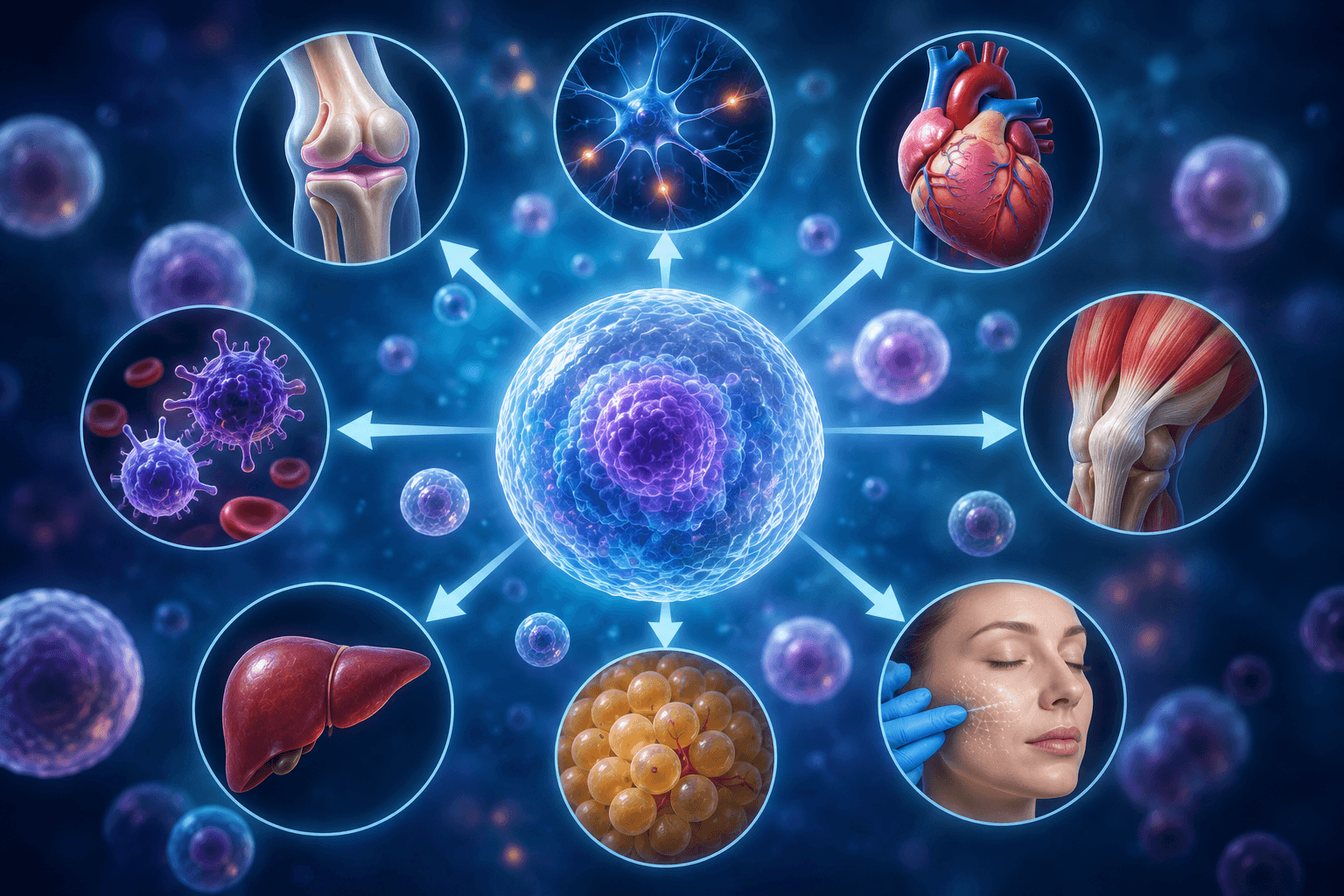
Stem cell therapy is currently being explored across numerous medical specialties, including neurology, orthopedics, rehabilitation medicine, and chronic disease management. While each patient requires an individualized evaluation, several neurological conditions are frequently assessed for potential regenerative medicine applications.
Peripheral neuropathy remains one of the most common reasons patients seek consultation. This condition can develop due to diabetes, autoimmune diseases, infections, toxic exposures, or traumatic injuries. Patients often experience numbness, burning sensations, weakness, and impaired motor control that can significantly affect quality of life.
Other conditions commonly evaluated include spinal cord injuries, stroke rehabilitation, multiple sclerosis, Parkinson's disease, traumatic brain injuries, neurodegenerative disorders, and nerve compression syndromes. Individuals seeking comprehensive regenerative medicine solutions frequently review available options through specialized disease treatment programs that provide information about various therapeutic approaches.
Peripheral Nerve Injuries and Regenerative Medicine
Peripheral nerves connect the brain and spinal cord to muscles, skin, and internal organs throughout the body. Damage to these nerves may occur through accidents, repetitive stress injuries, surgical trauma, or underlying medical conditions. Depending on the severity of the injury, patients may experience symptoms ranging from mild sensory disturbances to significant functional impairments.
Regenerative medicine has generated considerable interest as a potential supportive treatment strategy for peripheral nerve injuries. Researchers are investigating how stem cells may influence tissue repair, reduce inflammatory responses, and create conditions that support neural recovery. Although outcomes vary among individuals, ongoing studies continue to expand our understanding of how regenerative therapies may contribute to rehabilitation efforts.
Stem Cell Therapy and Spinal Cord Injury Rehabilitation
Spinal cord injuries represent one of the most complex challenges in modern medicine. Damage to the spinal cord can interrupt communication pathways between the brain and the rest of the body, leading to varying degrees of paralysis, sensory loss, and functional limitations.
Traditional treatment strategies often focus on stabilization, rehabilitation, and maximizing remaining function. Stem cell therapy is being actively investigated as a complementary approach that may help support tissue repair processes and potentially improve rehabilitation outcomes. While regenerative medicine cannot guarantee recovery, scientific research continues exploring its potential role within multidisciplinary treatment programs.
The Role of Inflammation in Nerve Damage
Inflammation is a natural component of the body's healing response, but chronic or excessive inflammation can contribute to ongoing tissue damage. In many neurological conditions, persistent inflammatory activity may interfere with nerve repair and worsen symptoms over time.
One reason stem cell therapy has attracted attention is its potential ability to influence inflammatory pathways. Researchers believe certain stem cell populations may help regulate inflammatory responses and create a more balanced environment that supports healing. This aspect of regenerative medicine remains an active area of scientific investigation and may play an important role in future treatment strategies.
Personalized Evaluation Before Treatment
Not every patient experiencing nerve-related symptoms is automatically a candidate for stem cell therapy. A thorough medical evaluation is essential before any treatment recommendations can be made. Physicians typically review medical history, imaging studies, neurological assessments, laboratory findings, previous treatments, and overall health status before developing an individualized treatment plan.
Factors such as disease severity, duration of symptoms, patient age, lifestyle, and underlying medical conditions all influence treatment eligibility. Comprehensive assessments help ensure that patients receive recommendations that align with their specific needs and long-term health objectives.
The individualized approach offered through many stem cell therapy Turkey programs reflects the growing emphasis on personalized medicine rather than standardized treatment protocols.
Combining Stem Cell Therapy with Rehabilitation Programs
Successful neurological recovery often requires a comprehensive treatment strategy rather than reliance on a single intervention. Physical therapy, occupational therapy, nutritional support, exercise programs, and lifestyle modifications may all play important roles in supporting long-term recovery and functional improvement.
Regenerative medicine is frequently integrated into broader rehabilitation plans that aim to optimize patient outcomes. By combining multiple therapeutic approaches, healthcare providers can address various aspects of recovery while supporting overall neurological health and physical function.
Research and Future Developments in Nerve Regeneration
The field of regenerative medicine continues to evolve rapidly as researchers gain a deeper understanding of cellular biology and tissue repair mechanisms. Ongoing studies are exploring advanced stem cell technologies, exosome-based therapies, tissue engineering techniques, and innovative methods designed to enhance neural regeneration.
Future developments may lead to more targeted treatment strategies capable of addressing complex neurological conditions with greater precision. While many questions remain under investigation, current research continues to generate optimism regarding the potential role of regenerative medicine in supporting nerve repair and functional recovery.
Exploring New Possibilities for Neurological Recovery
For individuals living with chronic nerve damage, neurological disorders, or recovery challenges following injury, regenerative medicine represents an area of growing interest and scientific advancement. Stem cell therapy continues to be studied for its potential ability to support natural healing processes, improve functional outcomes, and contribute to comprehensive rehabilitation programs.
As scientific understanding expands and clinical experience grows, more patients are exploring regenerative medicine solutions as part of their long-term healthcare strategies. A detailed medical assessment remains the most reliable way to determine whether stem cell-based therapies may be appropriate for a particular condition and individual treatment goals.
Latest Posts
Share
Quick Question