
Stem Cell Therapy for Bursitis Relief
Stem Cell Therapy for Bursitis Relief
Stem cell therapy is an innovative approach that helps reduce inflammation, relieve pain, and improve joint mobility in individuals suffering from bursitis.
You've tried rest. You've done the physical therapy. You've had the cortisone injections — maybe more than once. And yet, the moment you reach overhead, roll over in bed, climb a flight of stairs, or simply sit too long, the pain is right there waiting for you.
If this sounds familiar, you're not alone. Bursitis is one of the most common — and most persistently undertreated — musculoskeletal conditions in the world. And for a growing number of patients, stem cell therapy is becoming the answer that conventional medicine hasn't been able to provide.
Here's what you need to know.
What Exactly Is Bursitis?
Your body contains roughly 150 bursae — small, fluid-filled sacs positioned at key friction points throughout the musculoskeletal system. Their job is elegantly simple: act as cushions between bones, tendons, and muscles so that movement doesn't become a grinding, damaging process.
Because symptoms and tissue damage can overlap across related joints, muscles, and connective tissues, readers may also compare Stem Cell Therapy for Tendinitis: Shoulder & Achilles Tendon and Stem Cell Therapy for Sports Rehabilitation.
When a bursa becomes inflamed — due to repetitive motion, sudden injury, prolonged pressure, or underlying conditions like rheumatoid arthritis or gout — the result is bursitis. The affected sac fills with excess synovial fluid, swells, and turns what was once frictionless movement into a source of persistent, sometimes debilitating pain.
The most commonly affected areas are:
- Shoulder (subacromial bursitis) — pain with overhead reaching, lifting, sleeping on the affected side
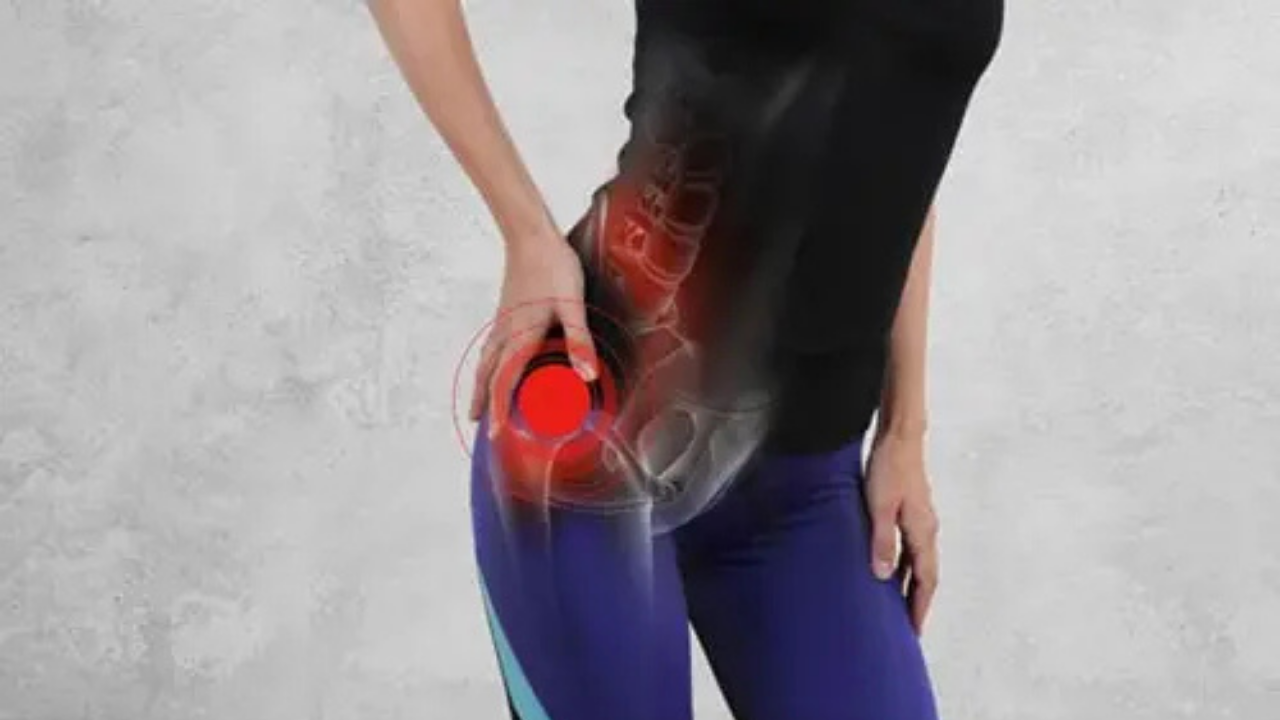
- Hip (trochanteric bursitis) — aching pain along the outer hip and thigh, worse when walking or lying on the side
- Knee (prepatellar or pes anserine bursitis) — swelling and tenderness around the kneecap or inner knee
- Elbow (olecranon bursitis) — visible swelling at the tip of the elbow, common in desk workers and athletes
- Heel (retrocalcaneal bursitis) — pain at the back of the heel, worsened by walking or standing
Bursitis can be acute — arriving suddenly after an injury or unusual activity — or chronic, cycling through flare-ups and partial remissions over months or years.
Why Do Standard Treatments Often Fall Short?
This is the question most bursitis patients eventually arrive at.
Anti-inflammatory medications and corticosteroid injections are the workhorses of conventional bursitis treatment, and for good reason: they reduce inflammation quickly and can provide meaningful short-term relief. But they come with a catch. Steroids don't heal the underlying tissue. They suppress the inflammatory response temporarily. Once the drug clears, the environment that caused the inflammation — the damaged tissue, the mechanical irritation, the chronic immune activation — is still there.
Repeated corticosteroid injections carry their own risks: progressive weakening of tendons and connective tissue, cartilage degradation, and diminishing returns with each successive injection. Most clinicians are reluctant to administer more than three to four in the same location over the course of a year.
Surgery — bursectomy — is reserved for the most severe cases, involves real recovery time, and doesn't guarantee relief if the mechanical or inflammatory root causes aren't also addressed.
The result? A significant population of bursitis patients stuck in a loop: temporary relief, recurrence, another injection, more temporary relief.
Stem cell therapy interrupts that loop.
So What Does Stem Cell Therapy Actually Do?
Here's where it gets genuinely interesting — and somewhat counterintuitive.
For years, bursae were considered relatively unimportant tissue. They were seen as little more than mechanical spacers, and when they became problematic, the default impulse was often to remove or suppress them. But recent research has completely reframed this view.
It turns out that healthy bursae are rich in mesenchymal stem cells (MSCs) and growth factors. Far from being passive cushions, they appear to play an active role in the health and healing of surrounding tissues — including tendons and cartilage. When bursitis develops, this stem cell activity is disrupted, pro-inflammatory cytokines flood the area, and the bursa's own regenerative capacity breaks down.
Stem cell therapy works by restoring what's been lost.
When MSCs are introduced into an inflamed bursal environment, several things happen simultaneously:
Inflammation regulation
MSCs actively modulate the immune response. They interact with pro-inflammatory immune cells — macrophages, T-cells, NK cells — and shift the local environment from a state of chronic inflammation toward one that supports resolution and repair. This is not suppression; it's recalibration.
Tissue regeneration
Stem cells can differentiate into the cell types needed to rebuild damaged bursal tissue. They also release signaling molecules — growth factors and cytokines — that stimulate the body's own resident cells to participate in the healing process. The result is genuine structural repair, not just symptom masking.
Excess fluid reduction
As inflammation resolves and tissue integrity improves, the accumulation of excess synovial fluid — the source of that characteristic swelling and pressure — diminishes naturally. Patients typically notice reduced swelling alongside reduced pain.
Tendon and connective tissue protection
Because bursae sit adjacent to tendons, chronic bursitis often creates a hostile environment for neighboring structures as well. MSC therapy helps protect and restore these tissues simultaneously — a meaningful advantage over treatments that target only the bursa itself.
What Types of Stem Cells Are Used?
The most widely used approach for bursitis treatment involves mesenchymal stem cells (MSCs), which can be sourced from several locations:
Adipose (fat) tissue is currently the most common source. MSCs are abundant in fat, easily harvested via a minimally invasive lipoaspiration procedure under local anesthesia, and can be processed and reinjected in the same session. This autologous approach — using the patient's own cells — eliminates any risk of immune rejection.
Bone marrow has a longer history in regenerative medicine and remains a well-studied MSC source, particularly for orthopedic applications. Harvest involves a brief aspiration procedure, typically from the iliac crest of the pelvis.
Umbilical cord-derived MSCs (from consenting donors) represent an allogeneic option offering a highly potent, young cell population — used in some clinical programs where autologous sourcing is not preferred.
The choice of cell source depends on individual patient factors, the severity and location of bursitis, and the clinical protocol in use. A thorough evaluation will guide the recommendation.
What Does the Research Say?
The evidence base for stem cell therapy in bursitis specifically — rather than general musculoskeletal inflammation — is still developing, but the picture emerging from adjacent research is compelling.
A 2025 retrospective study published in the Journal of Clinical Medicine examined patients with shoulder pathology who received subacromial bursal stem cell therapy combined with PRP alongside arthroscopic surgery. Compared to patients who underwent surgery alone, those who received stem cell therapy reported significantly reduced postoperative pain and improved functional outcomes — a finding that speaks directly to the role of MSCs in the bursal environment.
Research published in Cells established that the subacromial bursa contains its own population of resident MSCs, a dense fibrovascular network, and high concentrations of growth factors — positioning it not merely as a passive tissue but as an active participant in tendon homeostasis and healing. The researchers concluded that therapeutic approaches targeting bursal MSCs could fundamentally change treatment outcomes for chronic shoulder and rotator cuff conditions.
More broadly, MSC therapy has demonstrated consistent capacity to reduce the key inflammatory mediators present in bursitis — including IL-1β, TNF-α, COX-2, and matrix metalloproteinases — while simultaneously promoting structural tissue repair. These are not theoretical effects; they are measurable, documented, and reproducible across multiple peer-reviewed studies.
Who Is This Treatment Right For?
Stem cell therapy for bursitis is worth exploring if you can say yes to any of the following:
- You've had bursitis for more than three months with incomplete resolution
- Corticosteroid injections have provided only temporary or diminishing relief
- Your pain is significantly affecting your sleep, daily activity, or work
- You've been told that surgery may be the next option, and you want to exhaust non-surgical alternatives first
- You have an active lifestyle and want to address the root cause rather than manage symptoms indefinitely
Patients who are generally healthy, not immunocompromised, and whose bursitis is not caused by active infection (septic bursitis) are typically good candidates. A full clinical evaluation is always the starting point.
How Is the Treatment Delivered?
The procedure is straightforward and performed on an outpatient basis.
After a consultation and assessment to confirm candidacy, cells are harvested — typically from adipose tissue via a small lipoaspiration — processed to isolate and concentrate the MSC fraction, and injected directly into the affected bursa under ultrasound guidance. Ultrasound guidance is important: it ensures precise delivery to the exact site of pathology.
The entire process, from harvest to injection, typically takes a few hours. Most patients go home the same day. A brief period of reduced activity is recommended in the days following the procedure, but there is no significant downtime.
Improvement tends to unfold gradually over the weeks and months following treatment, as tissue repair and inflammation resolution progress. Many patients report meaningful pain reduction within four to eight weeks, with continued improvement at three and six months.
Is Stem Cell Therapy a Permanent Fix?
For many patients, the outcomes are long-lasting — particularly when the structural cause of bursitis (such as impingement or biomechanical imbalance) is also addressed through rehabilitation. Stem cell therapy creates the biological conditions for genuine healing; the durability of that healing depends on both the treatment and what follows it.
Combining stem cell therapy with targeted physical therapy tends to produce the best long-term results: the cells rebuild the tissue, and rehabilitation ensures the surrounding musculature supports and protects it.
Ready to Find Out If This Is Right for You?
Every case of bursitis is different. Duration, location, underlying cause, and your individual health profile all factor into whether stem cell therapy is the right path — and which protocol makes the most sense.
Our specialists are here to give you a clear, honest assessment. No guesswork, no pressure. Just a thorough evaluation of your case and a straightforward conversation about your options.
Schedule your consultation today.
This article is for informational purposes only and does not constitute medical advice. Treatment decisions should be made in consultation with a qualified medical professional.
Quick Question